Autophagic failure with age: influence on metabolic disorders and prospects for therapeutic targeting
By Brand E, Ntuli M, Loos B
Abstract
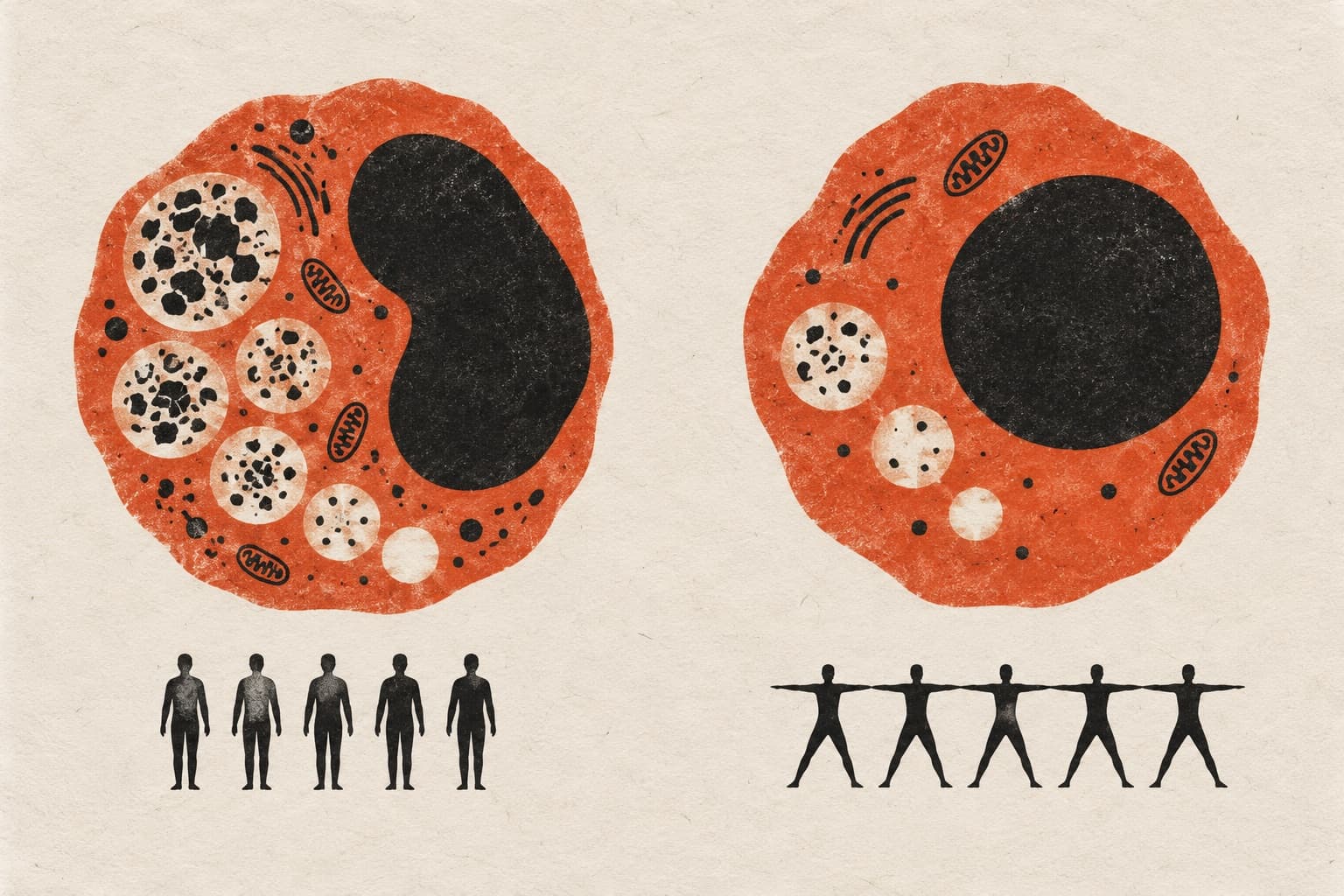
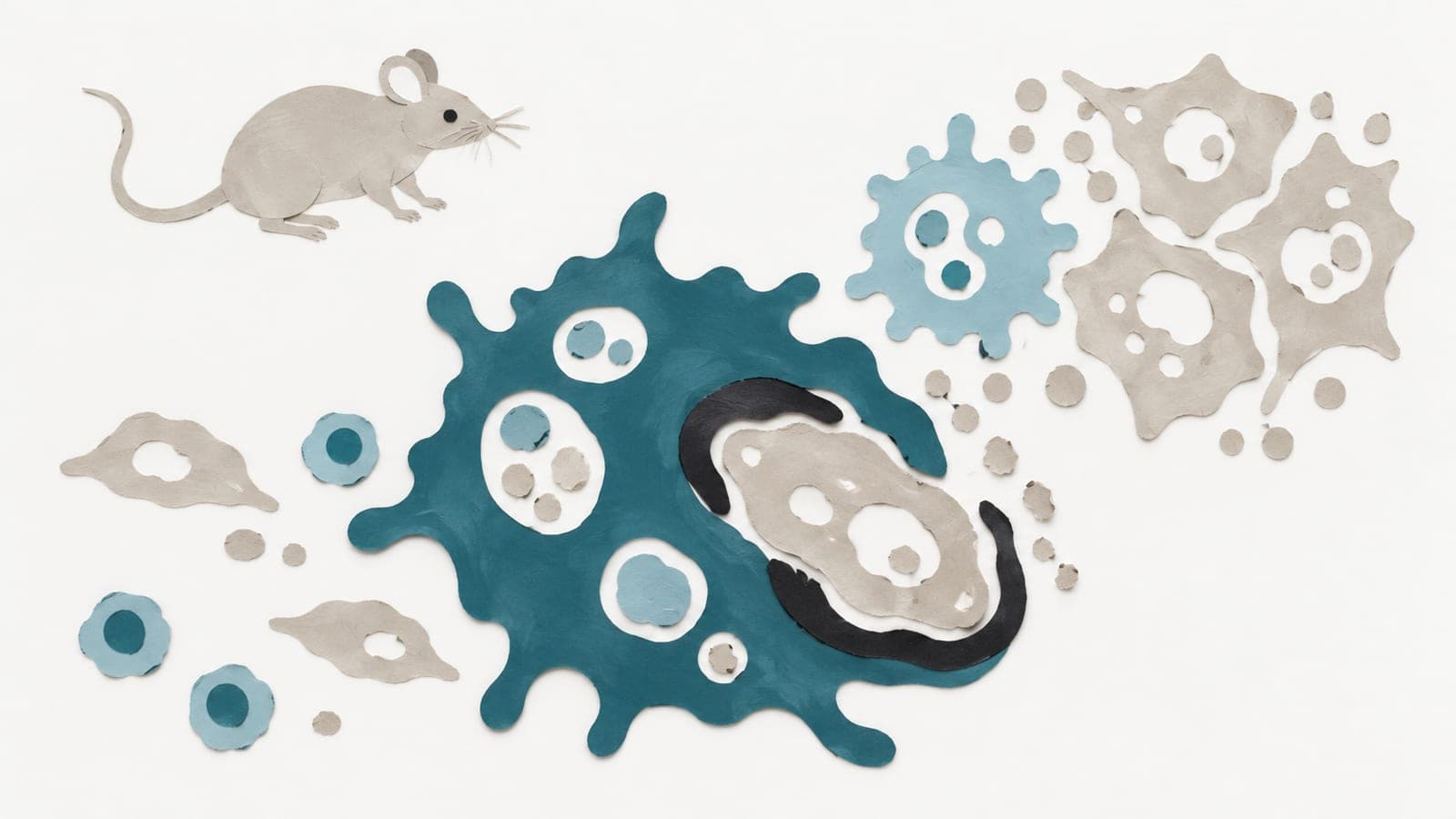
INTRODUCTION: Autophagy, from Greek auto, meaning self and phagein to eat, is a highly conserved cellular pathway responsible for the degradation and recycling of long-lived proteins. A functional autophagy pathway, characterized by cell- and tissue-specific basal autophagy activity, is crucial for the cell's successful response to aging and the mitigation of age-related pathologies. However, comprehensive understanding of underlying mechanisms and spatiotemporal profiling of autophagy flux across tissues remain largely elusive. AREAS COVERED: Here, we attempt to dissect how to better discern key metrics that may inform autophagy failure. By reporting evidence for tissue-inherent autophagy activities, their flux responses in magnitude and capacity, we provide a new perspective on existing data of species-specific autophagy in age. By evaluating the connection between autophagy activity in peripheral blood mononuclear cells (PBMCs) relative to tissue associated autophagy failure, new concepts are provided that may assist in accelerating targeted development of therapeutic interventions. EXPERT OPINION: Despite major progress in understanding the molecular mechanisms of autophagy in aging, knowledge gaps remain in standardizing methods to accurately monitor tissue-specific autophagy activity and cargo clearance. Building comprehensive databases, integrating multi-scale imaging, multi-omics, and AI-driven analyses will be essential for developing effective autophagy-targeted therapies for age-related diseases.
The paper
Brand E, Ntuli M, Loos B
Expert Opinion on Therapeutic Targets, 16 Nov 2025