Nicotinamide mononucleotide rescues Di-n-butyl phthalate induced blood-brain barrier damage via NAD⁺/Sirt1/FOXO1a pathway activation
Abstract
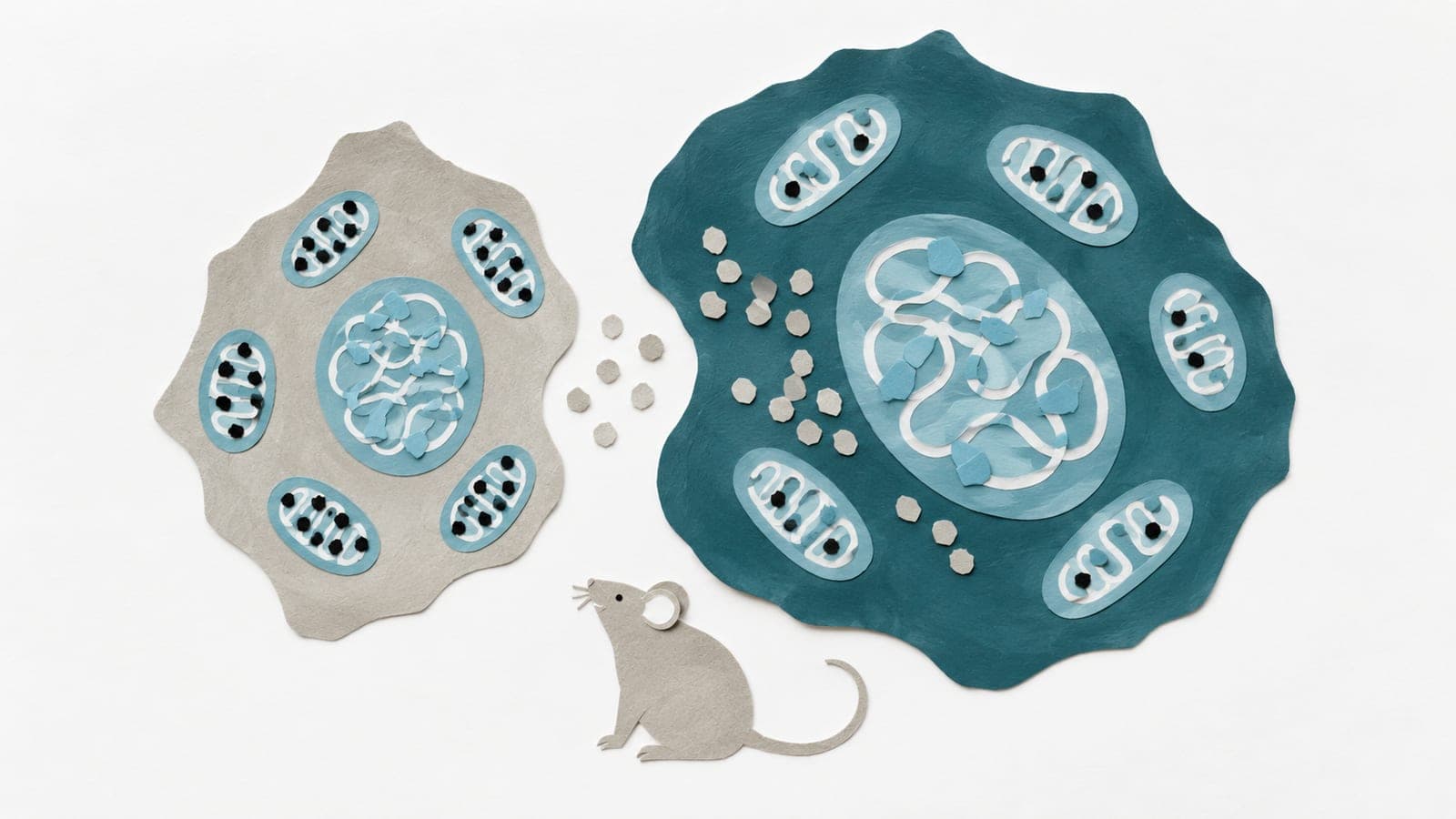
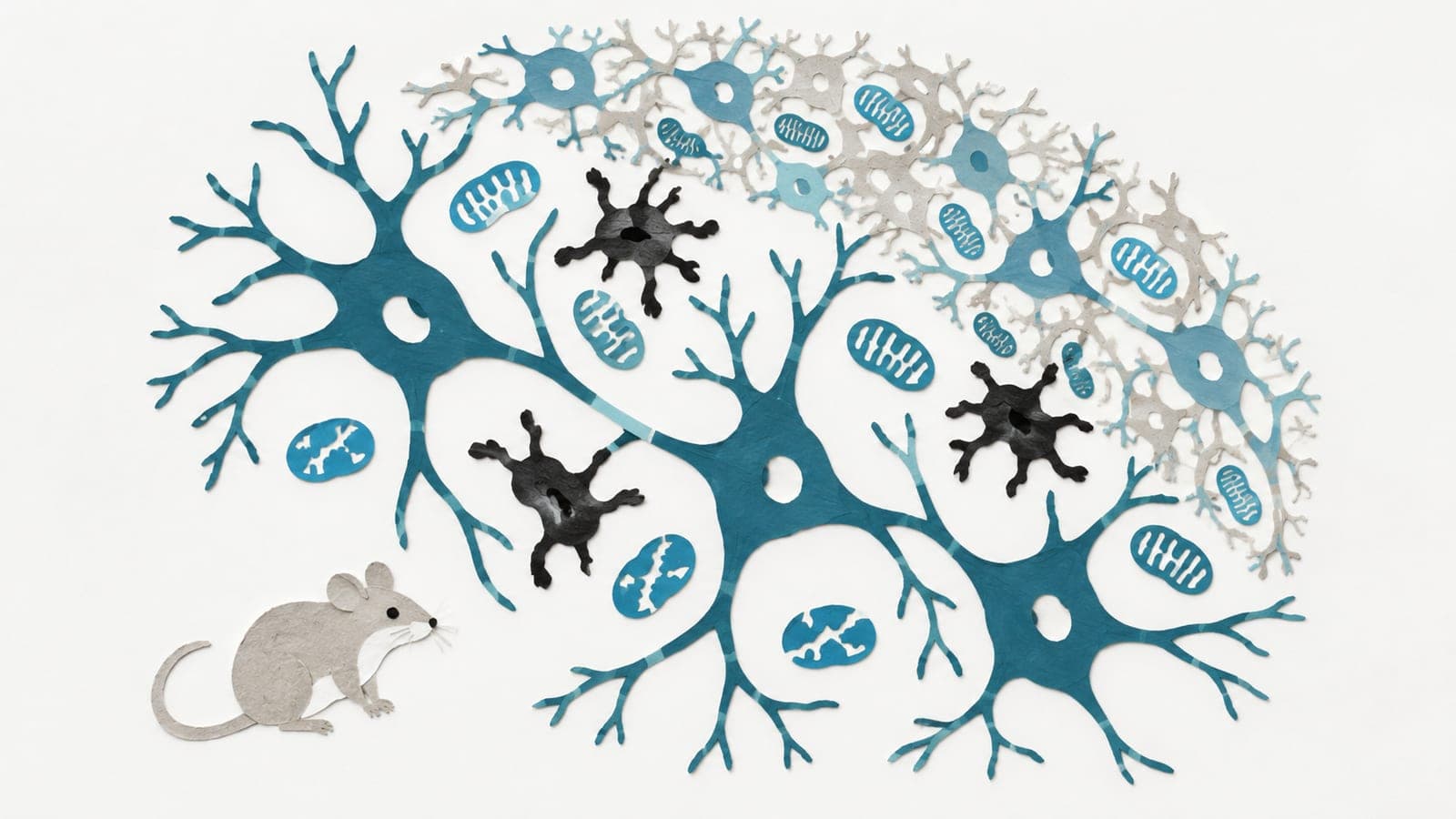
BACKGROUND: Di-n-butyl phthalate (DBP), a pervasive environmental contaminant, is associated with neurotoxicity and cognitive deficits. However, its impact on blood-brain barrier (BBB) integrity and the underlying mechanisms, particularly involving nicotinamide adenine dinucleotide (NAD⁺) metabolism, remain poorly understood. AIMS: This study first investigated whether DBP impairs BBB integrity via NAD⁺ depletion and suppression of the Sirtuin 1 (Sirt1)/Forkhead box O1a (FOXO1a) pathway. Moreover, we further explored the therapeutic potential of nicotinamide mononucleotide (NMN), an NAD⁺ precursor, to counteract this damage. METHODOLOGIES: C57BL/6 mice were exposed to environmentally relevant doses of DBP to simulate human exposure. BBB integrity, neuroinflammation, and cognitive function were assessed using Evans blue dye, histopathology, ELISA, and behavioral tests. Transcriptomic analysis of cortical tissues identified dysregulated pathways. Human brain microvascular endothelial cells (HBMECs) were used to validate the mechanisms in vitro, with interventions involving NMN and the Sirt1 inhibitor EX-527. RESULTS: DBP exposure could significantly enhance BBB permeability, elevate the expression of pro-inflammatory cytokines, and decrease the levels of tight junction proteins. Transcriptomic analyses further revealed coordinated dysregulation of mitochondrial dysfunction and the Sirt1/FOXO1a signaling pathway. NMN supplementation effectively restored NAD⁺ concentrations, reactivated the Sirt1/FOXO1a pathway and mitigated BBB damage, thereby enhancing cognitive performance. The therapeutic benefits of NMN were abolished by EX-527 in HBMECs, confirming the critical role of Sirt1 in mediating therapeutic outcomes. CONCLUSION: DBP disrupts BBB integrity and cognitive function through NAD⁺ depletion-driven suppression of the Sirt1/FOXO1a pathway. NMN counteracts these effects, suggesting its potential as a therapeutic agent against environmental neurotoxins.
The paper
First Hospital of Jilin University
Ecotoxicology and Environmental Safety, 1 Oct 2025