Lipoprotein metabolism and its impact on life expectancy
Abstract
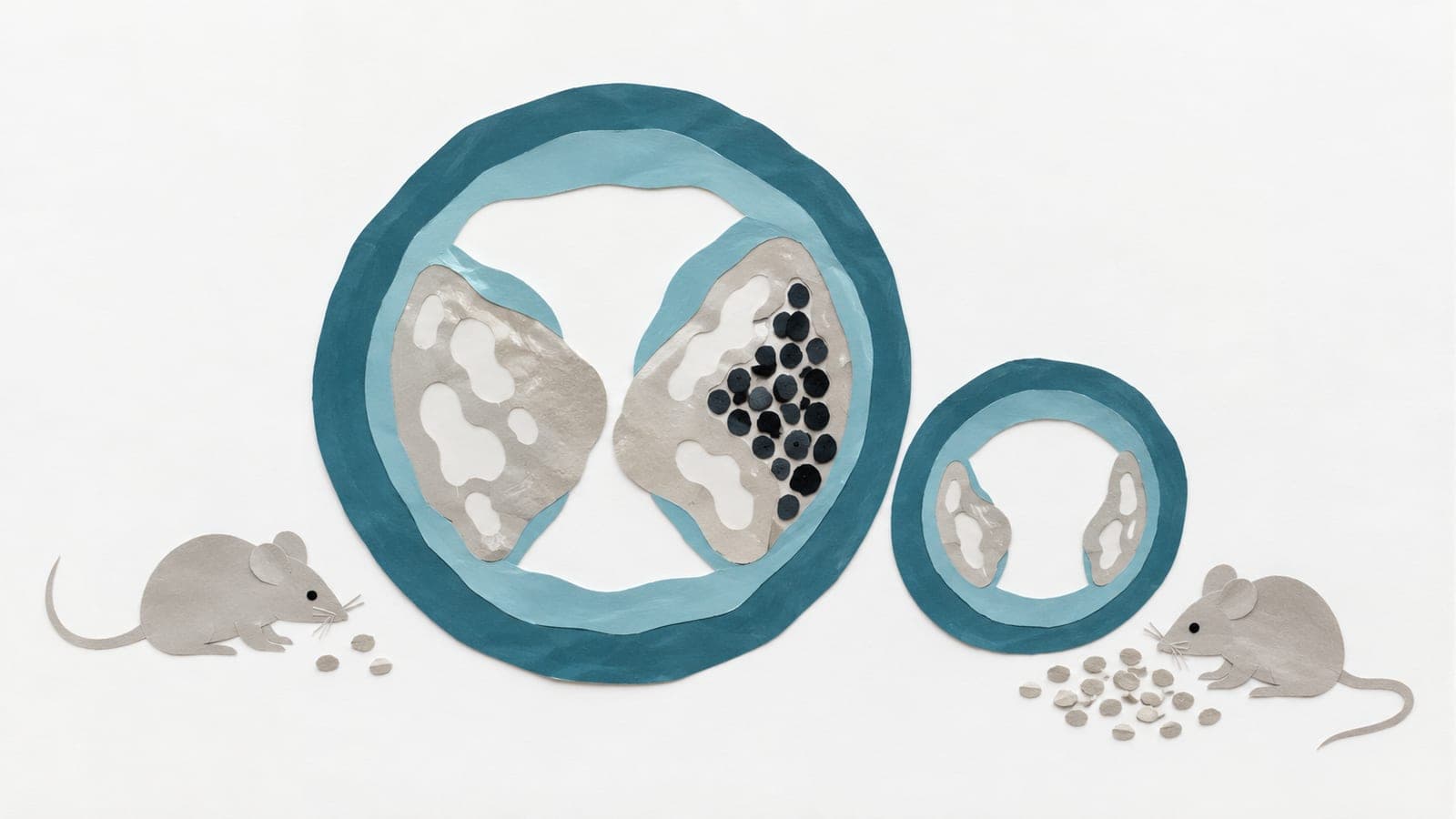
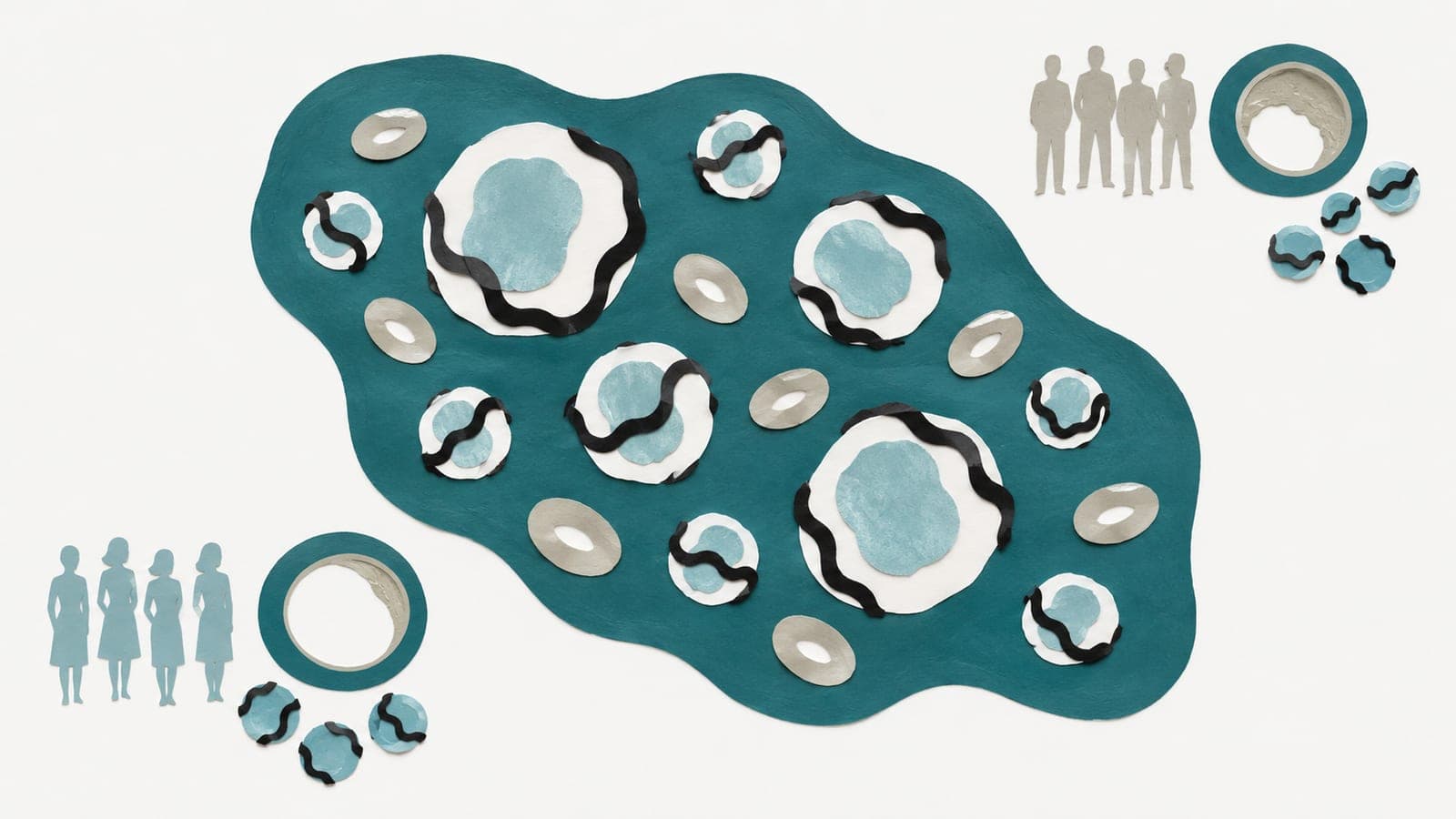
PURPOSE: The aim of this review is to explore the relationship between lipoprotein metabolism and life expectancy across species. The central research question addresses how different classes of lipoproteins (chylomicrons, VLDL, LDL, HDL) and their metabolic pathways influence aging processes and longevity, with a focus on both disease-related and species-specific mechanisms. METHODS: This study synthesizes data mostly from 2015 to 2024, including experimental research in animal models (rodents, primates, C. elegans, D. melanogaster), epidemiological studies in humans, and comparative analyses of lipid profiles across vertebrates and invertebrates. It also examines molecular signaling pathways and evaluates biomedical interventions. RESULTS: Disruptions in lipoprotein metabolism-particularly elevated LDL-C and VLDL-C levels-are strongly associated with age-related diseases and reduced lifespan in both humans and animal models. In contrast, high HDL-C levels and efficient reverse cholesterol transport are consistently linked to longevity. Species such as birds and cold-water fish exhibit unique lipid profiles that allow high cholesterol without pathological consequences, indicating evolutionary adaptations. Molecular mechanisms involving lipid-sensitive signaling pathways further modulate aging. Therapeutic and dietary interventions targeting lipoprotein metabolism show potential for lifespan extension. CONCLUSION: Lipoprotein metabolism plays a central role in determining healthspan and longevity. Understanding the cross-species diversity and regulatory mechanisms of lipid transport provides critical insights into aging biology. Advances in pharmacology, nutrition, and genetic technology offer promising tools to modulate lipoprotein profiles and promote healthy aging in humans.
The paper
Medical University of Warsaw
Experimental Gerontology, 3 Nov 2025