Cardiovascular and peripheral factors affecting the decay of maximal oxygen uptake across the spectrum of age in humans
Abstract
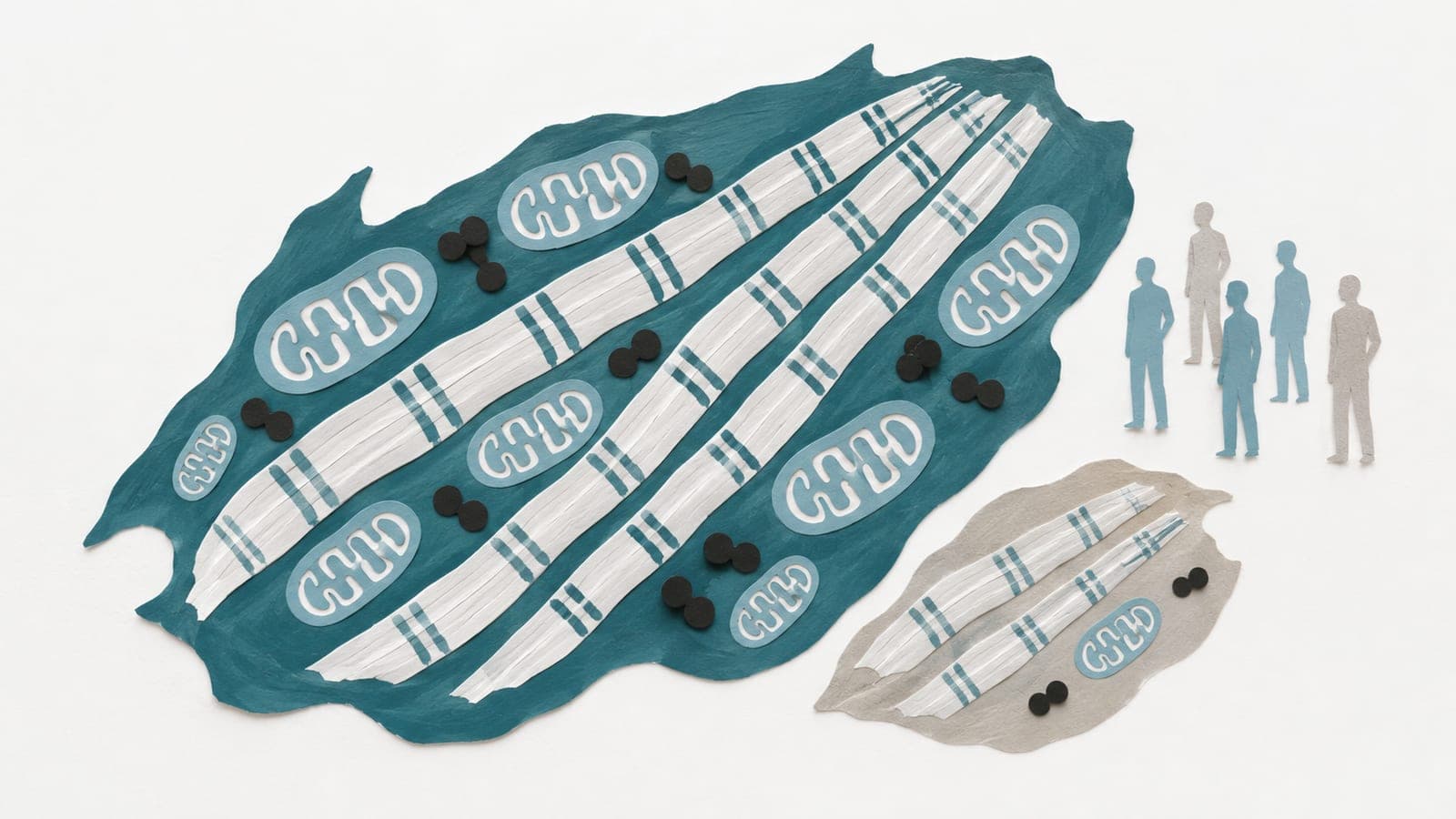
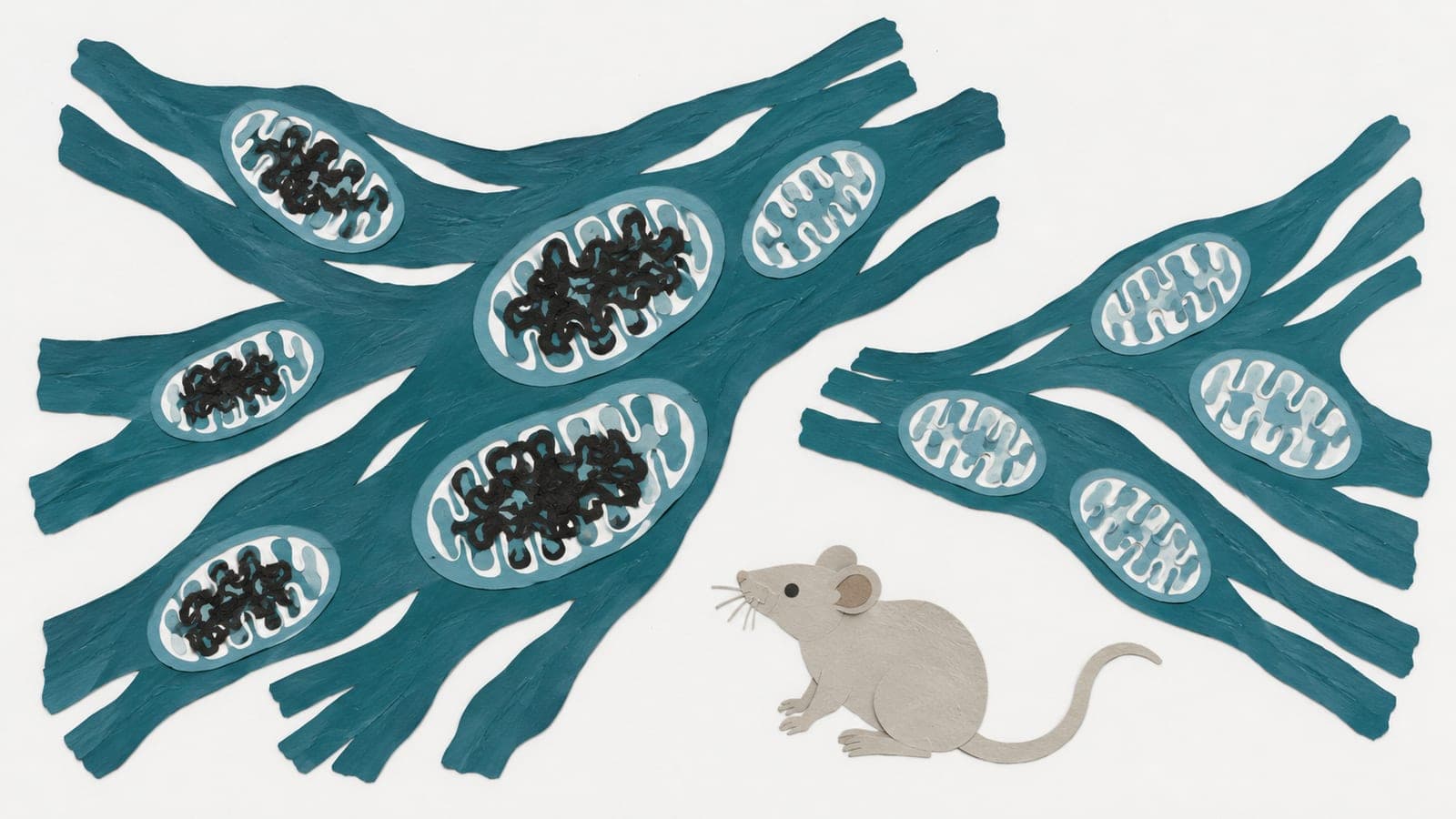
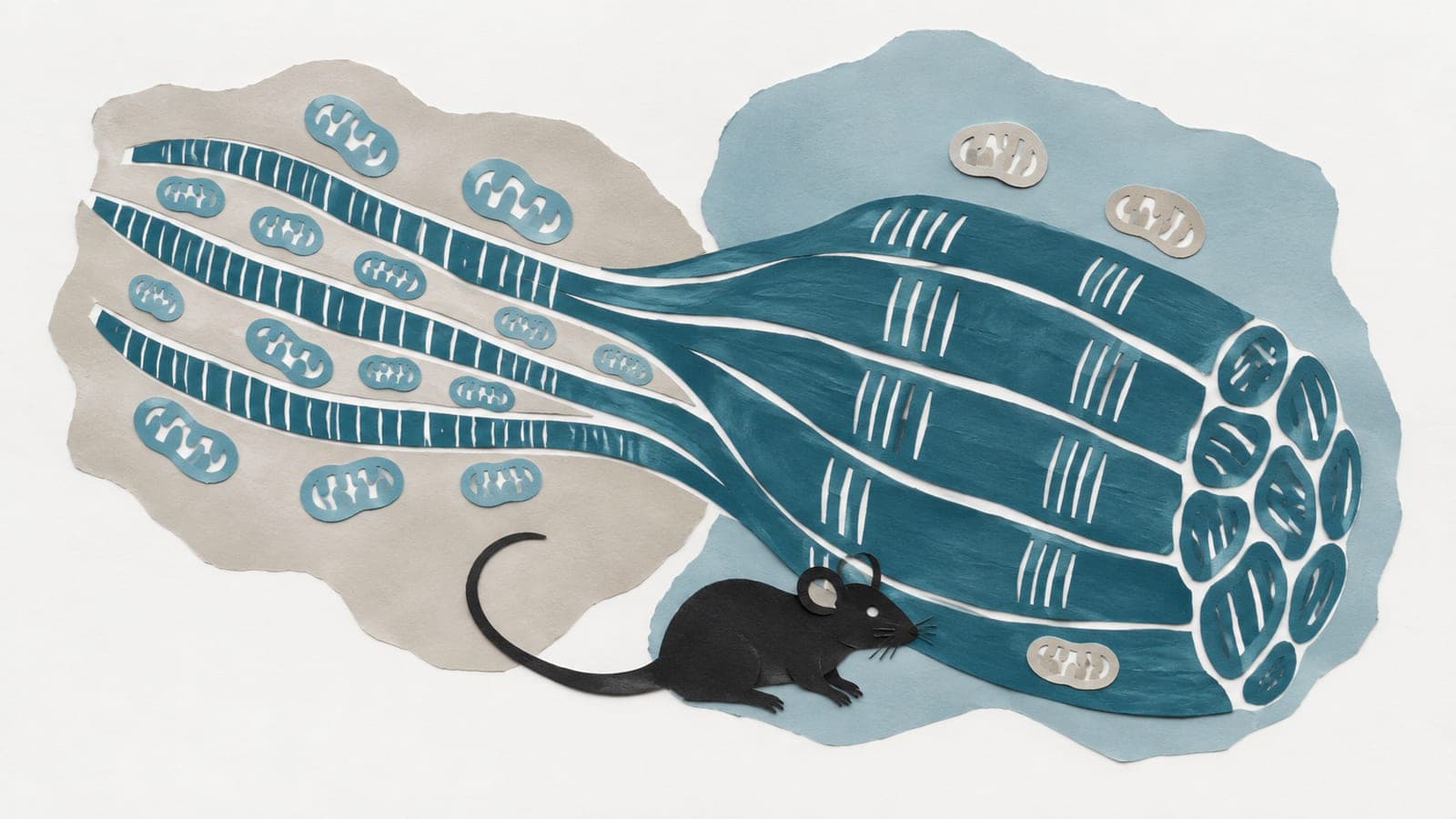
PURPOSE: Maximal oxygen uptake ([Formula: see text]O2max) decays with aging due to decreased maximal cardiac output ([Formula: see text]max) and the development of progressive sarcopenia and mitochondrial dysfunctions. The study aimed to develop a quantitative analysis of central and peripheral factors in eliciting the observed progressive drop of [Formula: see text]O2max across the spectrum of ages ranging from about 30 yy to 85-90 yy. METHODS: We applied to [Formula: see text]O2max, [Formula: see text]max, and maximal oxygen cardiovascular delivery ([Formula: see text]aO2max) values obtained from literature, a multifactorial model of [Formula: see text]O2max limitation describing the progressive drop of the PO₂ along the pathway from ambient air to mitochondria composed of several steps in series, each of them considered as a resistance (Ri) that must be overcome by a pressure gradient (ΔPi). The proposed analysis allowed us to estimate: (i) the maximal oxygen extraction coefficient (O2ext, max) and (ii) the changes of the peripheral resistance (Rp) hindering O₂ muscular utilization. RESULTS: O2ext, max progressively decays from 0.80 at 20 yy to 0.60 at 75-80 yy; Rp almost doubles over the same interval of inspected ages. CONCLUSIONS: The analysis implemented using data published in the literature suggests that the progressive increase of Rp remarkably contributes to the observed gradual decay of [Formula: see text]O2max observed with aging, perhaps more than the progressive drop in the maximal cardiovascular transport of oxygen.
- Modelling and theory
- Mitochondrion
- Maximal cardiac output
- Maximal oxygen cardiovascular delivery
- Maximal oxygen extraction coefficient
- Humans
The paper
University of Milan; University of Verona
European Journal of Applied Physiology, 29 Oct 2025