IL-11 exacerbates cisplatin-induced acute kidney injury by facilitating apoptosis in renal tubular epithelial cells via ERK1/2-Drp1/TFEB-mediated defective autophagy
Abstract
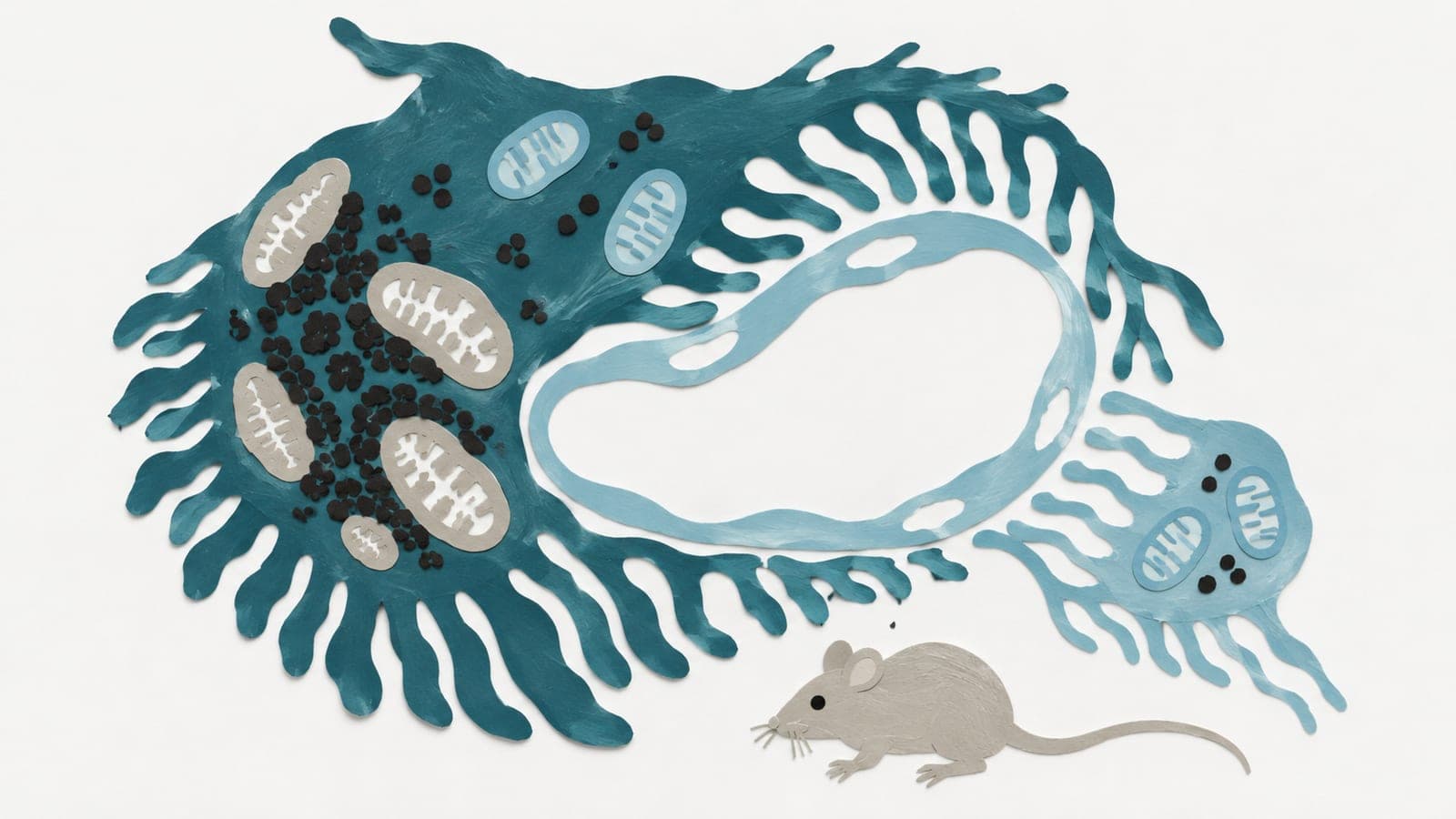
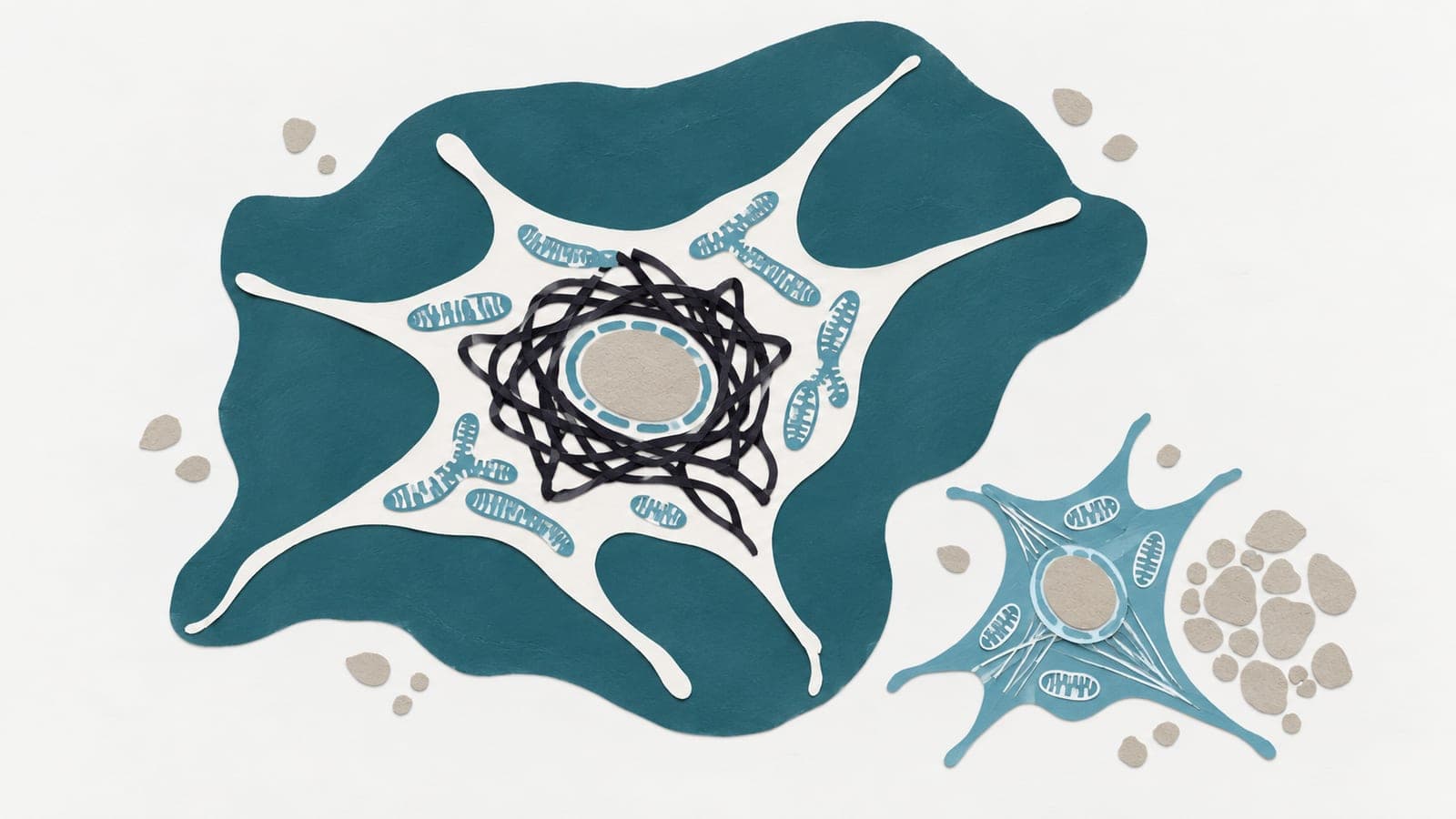
Cisplatin-induced acute kidney injury (Cis-AKI) lacks targeted therapies. Here we identify interleukin-11 (IL-11) as a key driver of tubular injury that couples mitochondrial dynamics to autophagic flux in renal tubular epithelial cells. In a mouse Cis-AKI model, IL-11 knockdown ameliorated tubular damage and significantly improved renal function (serum creatinine, blood urea nitrogen), with concordant restoration of AQP1 and reduction of KIM-1/NGAL, indicating robust protection at the tissue and functional levels. Mechanistically, IL-11 activated ERK1/2, increased Drp1 phosphorylation and mitochondrial fission, and suppressed TFEB activity to impair lysosomal maturation and autophagic flux; ERK inhibition (SCH772984) and TFEB overexpression rescued TFEB activity, lysosomal markers, and autophagic completion, and reduced apoptosis/senscence. Tissue-level readouts (IHC for p-Drp1 and p62; immunoblots for LC3-I/II and p62) and TEM ultrastructure corroborated these pathways in vivo, linking mitochondrial fragmentation and autophagic blockade to IL-11-dependent injury. In HK-2 cells, recombinant human IL-11 (50 ng/mL) reproduced ERK-Drp1/TFEB pathway activation and phenotypes, and loss-of-function of IL-11 attenuated cisplatin-induced apoptosis and senescence. Collectively, these data define an ERK1/2-Drp1/TFEB axis by which IL-11 exacerbates Cis-AKI through mitochondrial dysfunction and autophagic flux disruption, culminating in apoptosis and cellular senescence. Targeting IL-11 or restoring TFEB activity emerges as a mechanism-based strategy to mitigate cisplatin nephrotoxicity.
The paper
Zhujiang Hospital
Cellular Signalling, 20 Oct 2025