Decoding craniopharyngioma: From mechanisms to therapy
Abstract
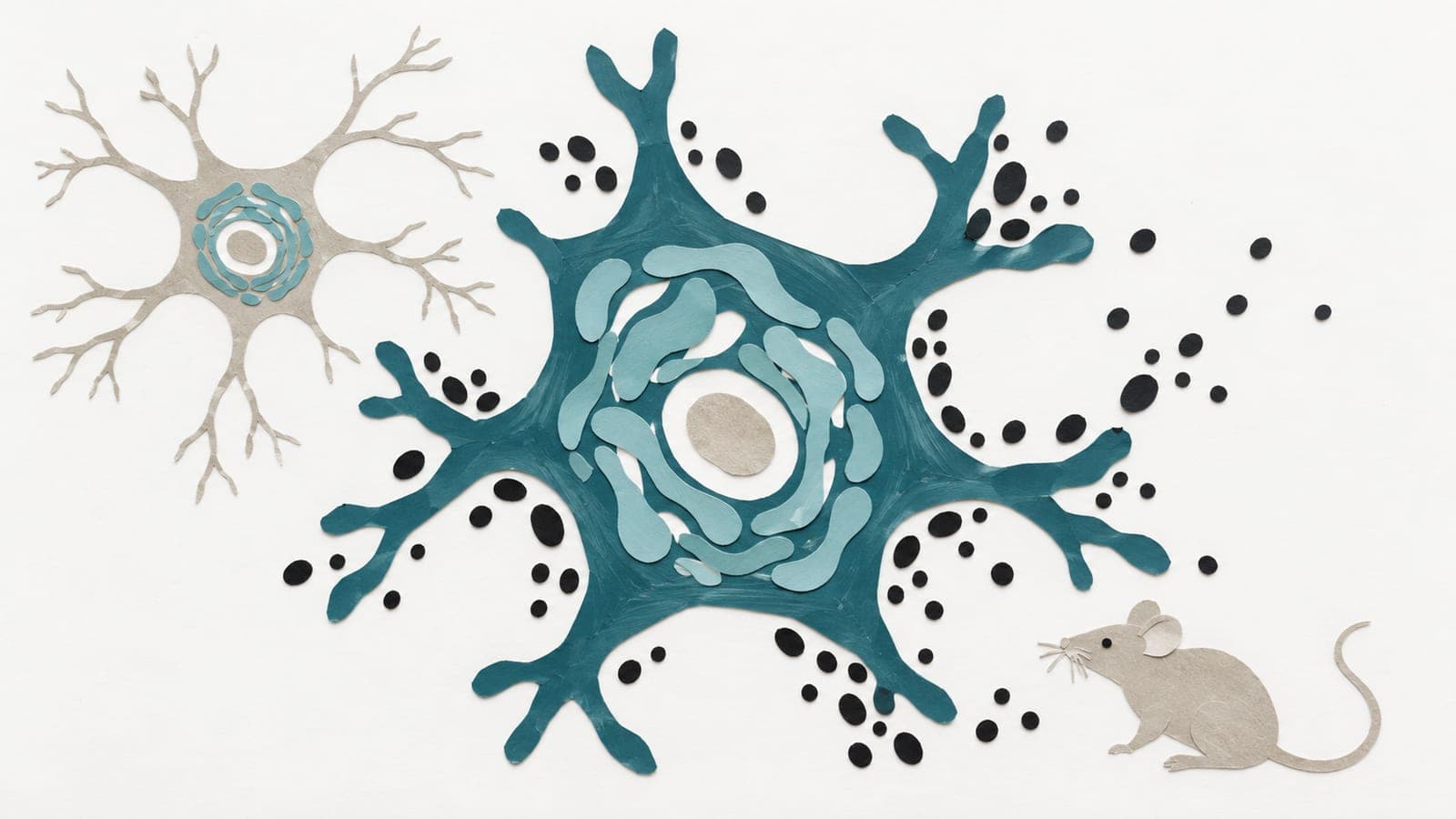
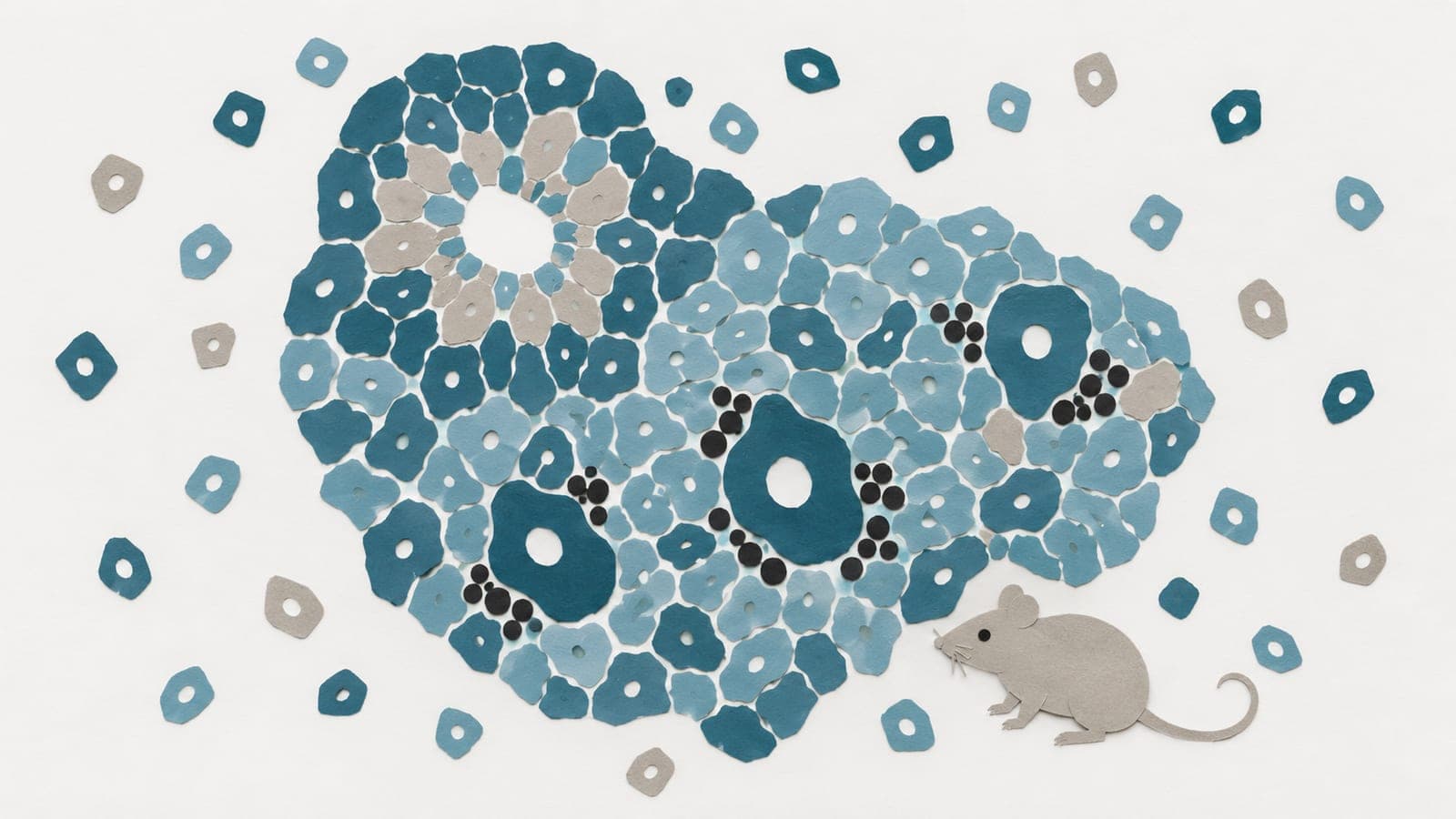
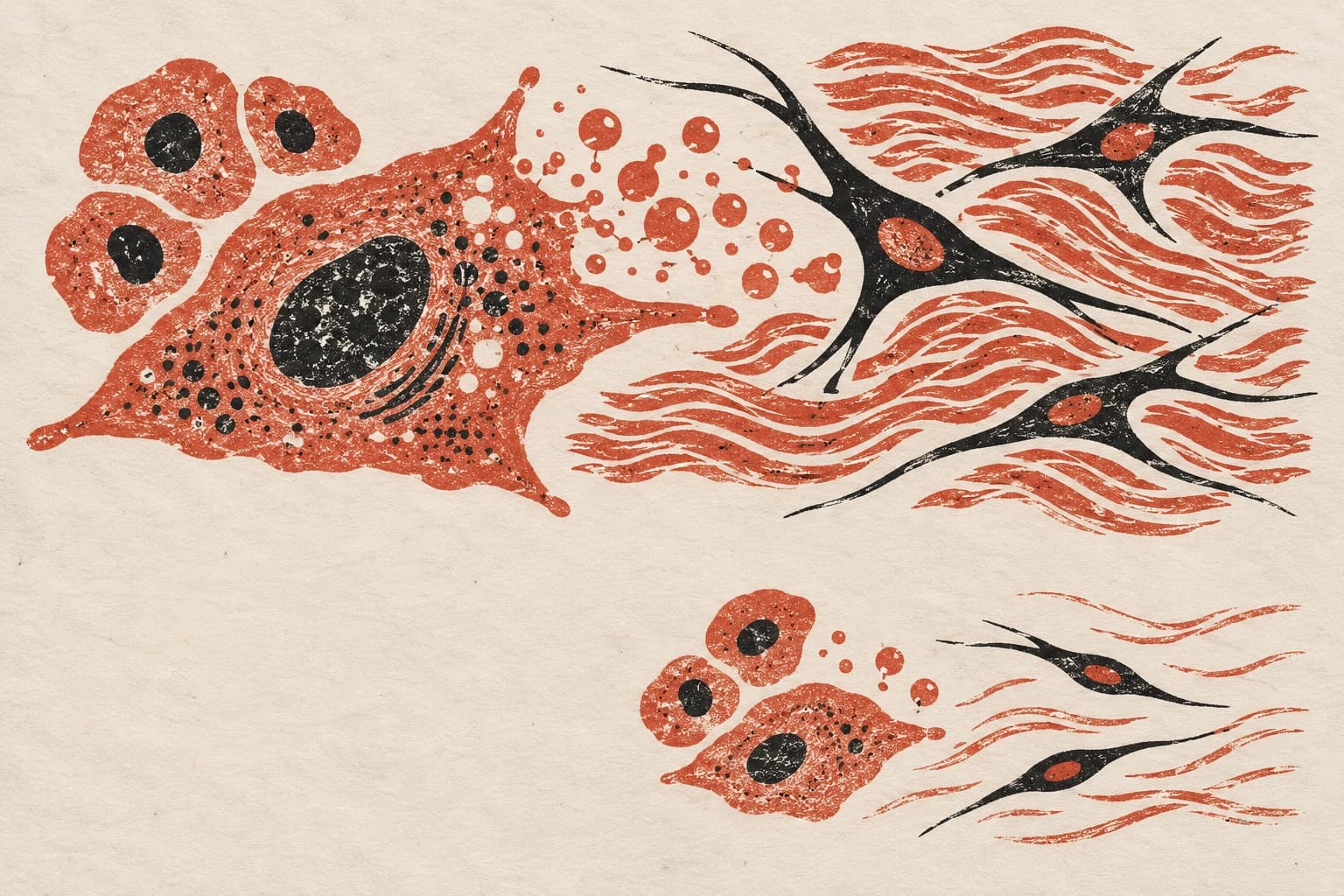
Research from the last 15 years has profoundly advanced our understanding of craniopharyngioma, a challenging tumour of the sella. Genetically and histologically distinct subtypes - adamantinomatous (ACP) and papillary (PCP) - have been decoded. ACP is primarily driven by CTNNB1 mutations, leading to β-catenin accumulation and WNT pathway activation, while PCP is characterized by BRAF-V600E mutations. Sophisticated ACP mouse models and human studies have proposed a mechanism of senescence-driven pathogenesis in which senescent epithelial cells secrete growth and inflammatory factors that orchestrate a tumour-promoting microenvironment through paracrine signalling. Single-cell RNA sequencing has confirmed this view and revealed intricate tumour ecosystems. These foundational insights are now directly informing novel therapies. Promising targeted approaches, including BRAF/MEK inhibitors for PCP and small molecules disrupting the senescence-associated secretory phenotype (SASP) in ACP are transitioning from bench to bedside, heralding a new biology-driven era for patients.
The paper
Tecnológico de Monterrey; University College London
Best Practice & Research Clinical Endocrinology & Metabolism, 9 Oct 2025