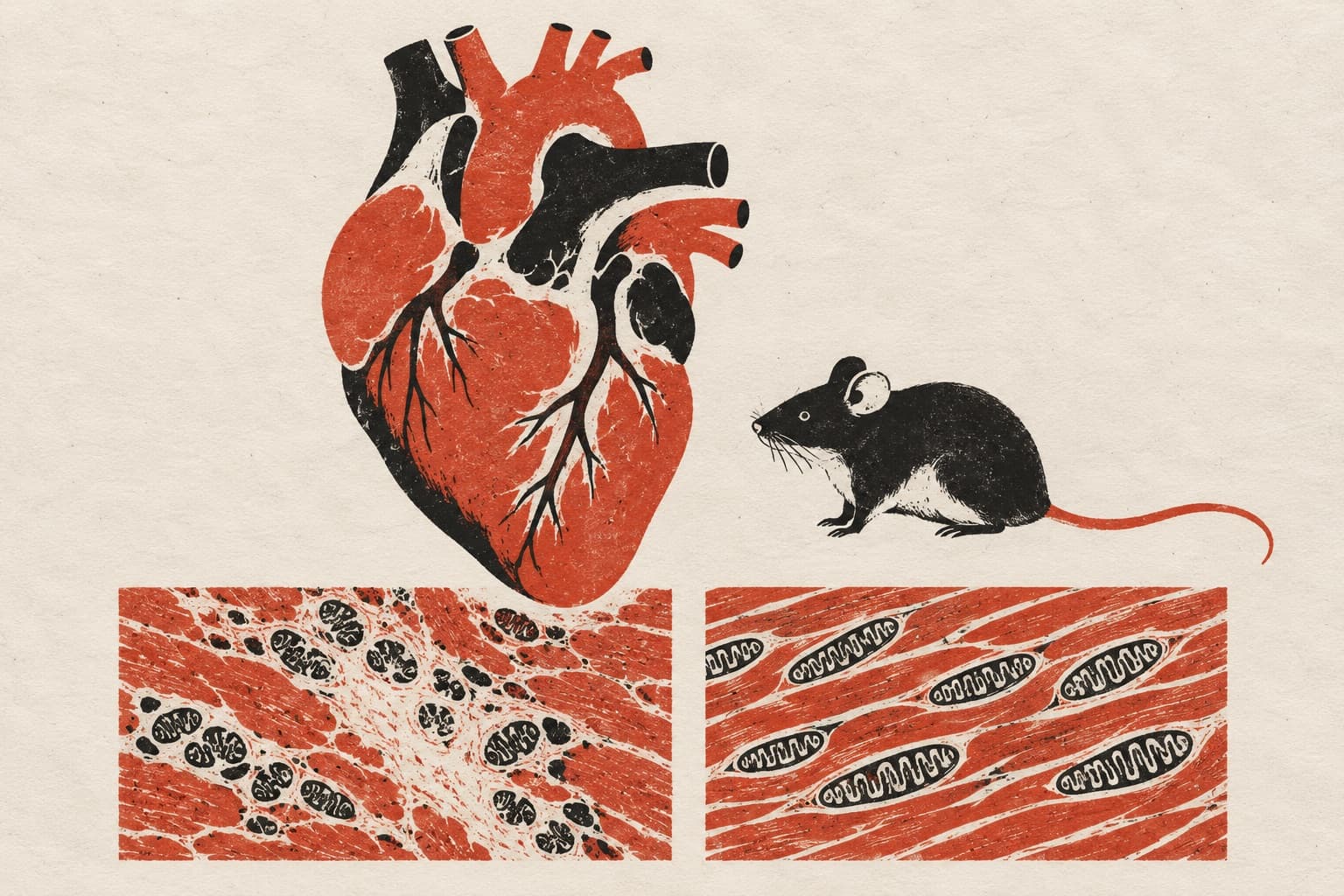
Sirt1 ameliorated cardiac autophagic flux blockage via Prx2 during myocardial ischemia/reperfusion injury
Abstract
Myocardial ischemia-reperfusion (MI/R) injury induces severe cardiac damage, partly due to impaired autophagic flux and oxidative stress. Silent information regulator 1 (Sirt1) mitigates autophagic flux blockade in various pathologies, yet its regulatory role and mechanism in MI/R remain elusive. Therefore, the present study explored the regulatory effect of Sirt1 on autophagic flux in MI/R injury and its specific molecular mechanism both in vivo and in vitro. In vivo, MI/R mice were treated with the Sirt1-specific agonist SRT1720, while in vitro, H₂O₂-damaged cardiomyocytes were transfected with antisense Sirt1 adenovirus vector. Autophagic flux-related protein expression was subsequently analyzed by Western Blot in vitro and in vivo. The status of autophagic flux was dynamically evaluated by the mRFP-GFP-LC3 dual fluorescence system. Meanwhile, siRNA induced knockdown of Rab7 was used to explore whether Sirt1 participated in the regulation of autophagic flux. Finally, peroxiredoxin 2 (Prx2) was knockdown while Sirt1 was overexpressed, and the expression of autophagic flux related proteins and dynamic process of autophagic flux were evaluated. Our data demonstrated that Sirt1 indeed promoted the autophagy lysosome fusion and enhanced the clearance of autophagy substrates in MI/R through up-regulating Rab7. Mechanistically, Prx2 played an important role in the recovery mechanism of Sirt1-mediated autophagic flux by regulating Rab7-mediated autophagy lysosome fusion. Importantly, Sirt1-Prx2-autophagic flux signaling pathway was demonstrated by Sirt1 agonist-SRT1720. These findings identify Sirt1 as a pivotal regulator of autophagic flux and oxidative homeostasis via the Prx2 pathway, offering a novel therapeutic target to mitigate MI/R injury through restoration of autophagy and redox balance.
The paper
Zhengzhou University
Biochemical Pharmacology, 10 Oct 2025