Heterogeneity of Cellular Senescence: Subtype-Specific Mechanisms and the Emerging Role of Plasma Membrane Damage
Abstract
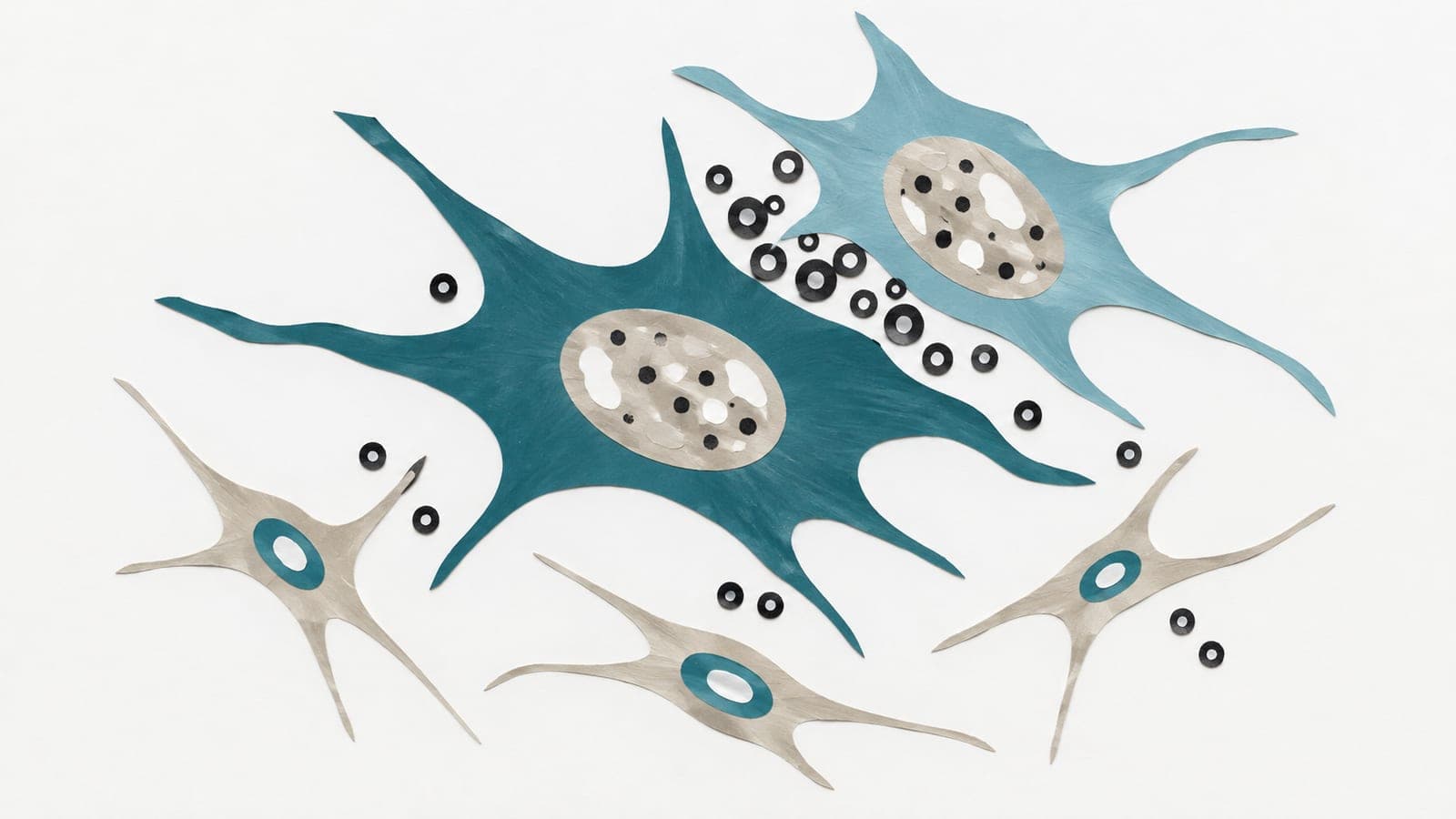
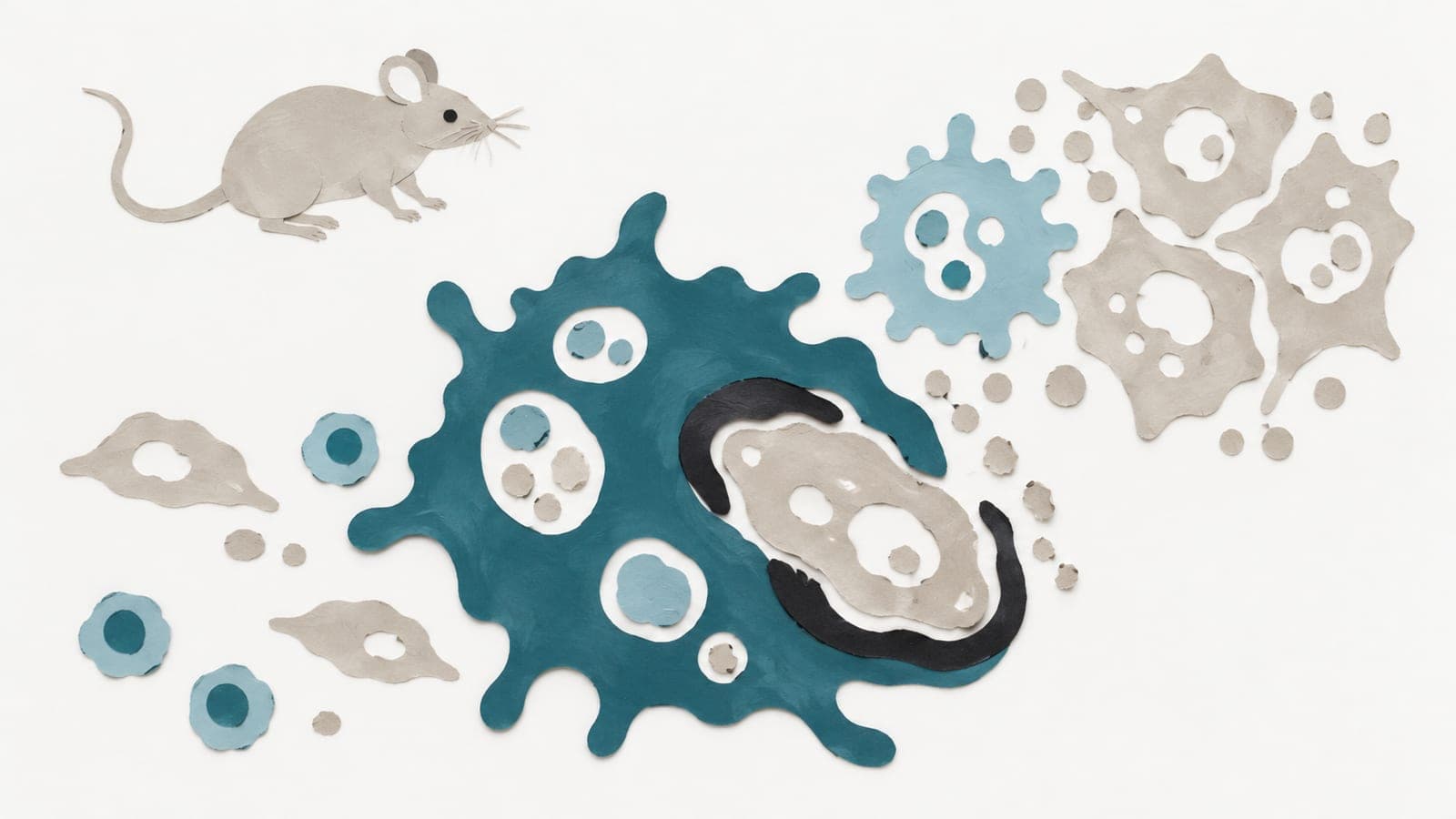
Cellular senescence is a state of stable cell cycle arrest accompanied by heightened immune activity, contributing to aging and age-related diseases. Although once regarded as a terminal and static condition, cellular senescence is now recognized as a dynamic and highly regulated process controlled by complex molecular networks. In vitro, it can be triggered by a variety of stimuli, including telomere attrition, DNA damage, oncogene activation, mitochondrial dysfunction, and others. However, the precise in vivo triggers of cellular senescence remain unclear. Recent findings from our group demonstrate that plasma membrane damage can induce cellular senescence in cultured normal human fibroblasts. Notably, the gene expression profile of these cells shares key characteristics with the cells localized near fibrotic cutaneous wounds in humans. In this review, we highlight recent advances in understanding the diverse subtypes of cellular senescence and their underlying regulatory networks, their context-dependent roles in tumorigenesis, and the therapeutic potential and challenges associated with targeting senescent cells. Unraveling the heterogeneity of cellular senescence holds promise for harnessing the beneficial roles of cellular senescence while mitigating its pro-tumorigenic and pro-aging effects.
The paper
Okinawa Institute of Science and Technology Graduate University
Cancer Science, 11 Oct 2025, Open access