Social network size and cognitive decline in older adults experiencing depressive symptoms and loneliness
Abstract
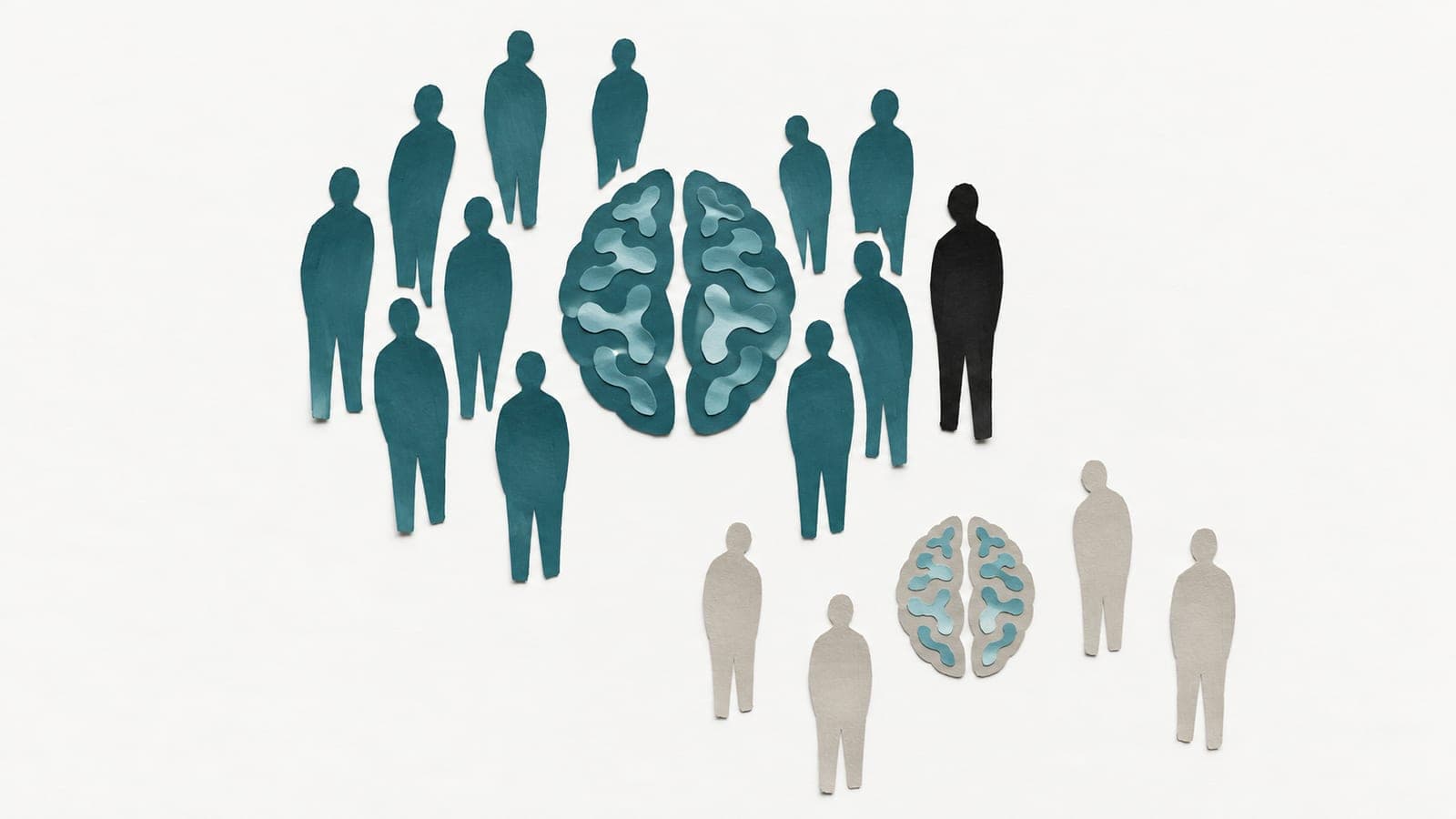
OBJECTIVES: This paper evaluates the association between social network size and cognitive decline in older adults, approximately 61 years and older, with or without depressive symptoms and/or loneliness. METHOD: This study is a secondary data analysis of the Chicago Health and Aging Project (CHAP), which is a population-based cohort study. Data collection occurred in three-year cycles from 1993 to 2012, consisting of a maximum of up to six cycles, including baseline. Mixed effects regression models were conducted to evaluate the relationship between social network size and cognitive decline. RESULTS: The study sample is comprised of 10,569 participants. Among participants experiencing baseline loneliness, having a social network size of nine or more individuals at baseline was associated with a slower annual rate of global cognitive decline (β = 0.016 (SE = 0.007), p = 0.019) than participants with a network size below nine at baseline. Participants experiencing moderate to severe depressive symptoms at baseline and a network size of nine or more at baseline also had a slower rate of global cognitive decline (β = 0.014 (SE = 0.006), p = 0.014) compared to participants with a network size below nine at baseline. CONCLUSION: Developing approaches for maintaining and improving social network size in individuals experiencing loneliness and depression may reduce Alzheimer's disease risk.
The paper
Rush University Medical Center
Aging & Mental Health, 9 Oct 2025