Internet use linked to lower dementia risk in US adults 50 and older
Compared with never-users, participants with internet use at three or more time points had a dementia hazard ratio of 0.60, a comparison of rates of developing dementia.
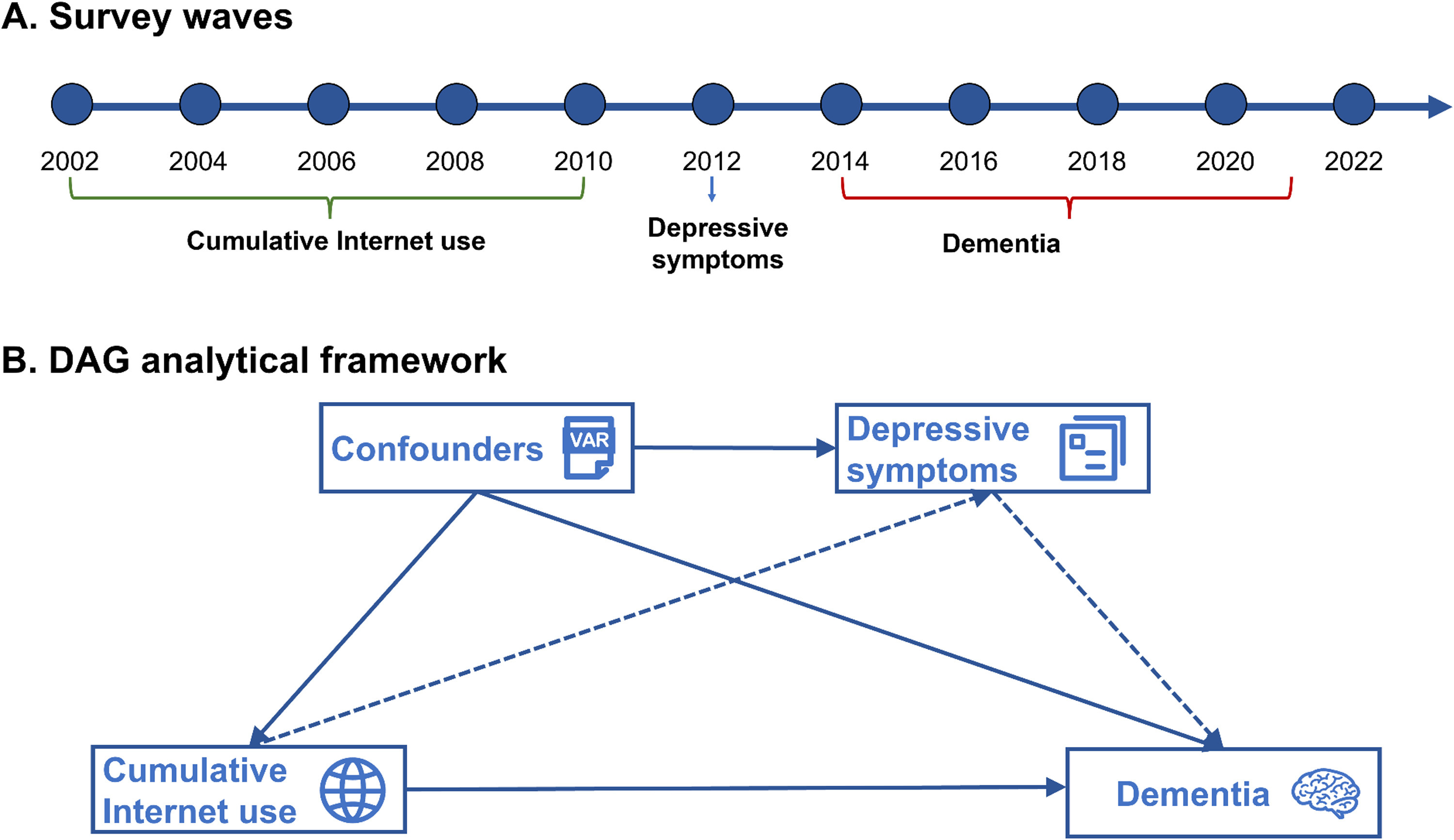
An observational cohort study followed 7,068 US Health and Retirement Study participants aged 50 years or older. Researchers assessed cumulative internet use across 2002–2010 and depressive symptoms in 2012. They tracked new dementia cases between 2014 and 2021.
Greater cumulative internet use was associated with lower dementia risk. The estimate for participants with internet use at one time point was uncertain: its range of likely values included no difference from never-users. Analyses suggested depressive symptoms might play a modest role in the association. Hypothetical projections indicated that increasing internet use could prevent 0.29–0.92 million US dementia cases during 2014–2021 and avert US$9.94–$31.63 billion in related care costs.
Why it matters
Dementia threatens cognitive health in later life. The findings highlight digital engagement as a target for healthy cognitive aging research.
Caveats
This observational study could not establish whether internet use reduced dementia risk or whether depressive symptoms explained the association. The projected cases prevented and costs averted were hypothetical, not observed outcomes.
The paper
University of Macau
Psychiatry Research, 29 Sep 2026