Proprioception impacts body perception in healthy aging - Insights from a psychophysical and computational approach
Abstract
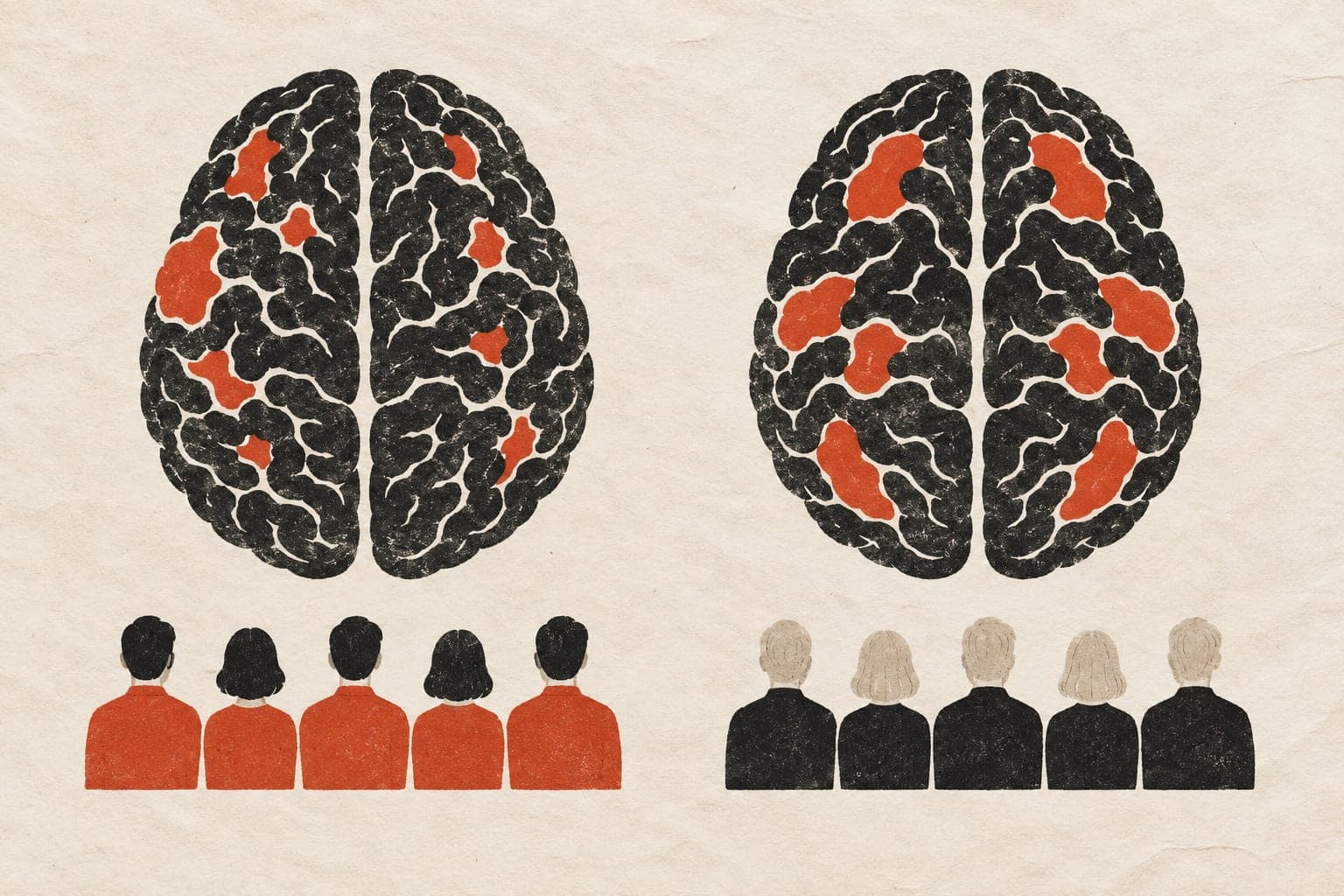
The way we perceive our body and its dimensions depends on how our brain combines multisensory information. As the human sensory system declines with age, we hypothesize that body perception may change during aging. We investigated this hypothesis by comparing body ownership (BO) and upper limb perceived dimensions (mBR) in young and older individuals (>65 years). We used computational and psychophysical methods to quantify alterations in mBR and BO, and modeled their relationship with sensorimotor and cognitive factors. Results revealed altered body perception in healthy older adults, with significant underestimation in arm dimensions and increased feeling of ownership over an incongruent virtual hand, incorporating it into their motor plans. Reduced abilities in localizing one's own body in space (i.e., proprioception) emerged as a common factor influencing both BO and mBR. These findings pave the way for stimulation strategies to maintain or restore body perception in aging.
The paper
The Sense Innovation and Research Center
iScience, 3 Sep 2025, Open access