Integrative Network Pharmacology and Proteomics Decipher the Immunomodulatory Mechanism of Sulforaphane Against Intrinsic Skin Aging
2 months
Abstract
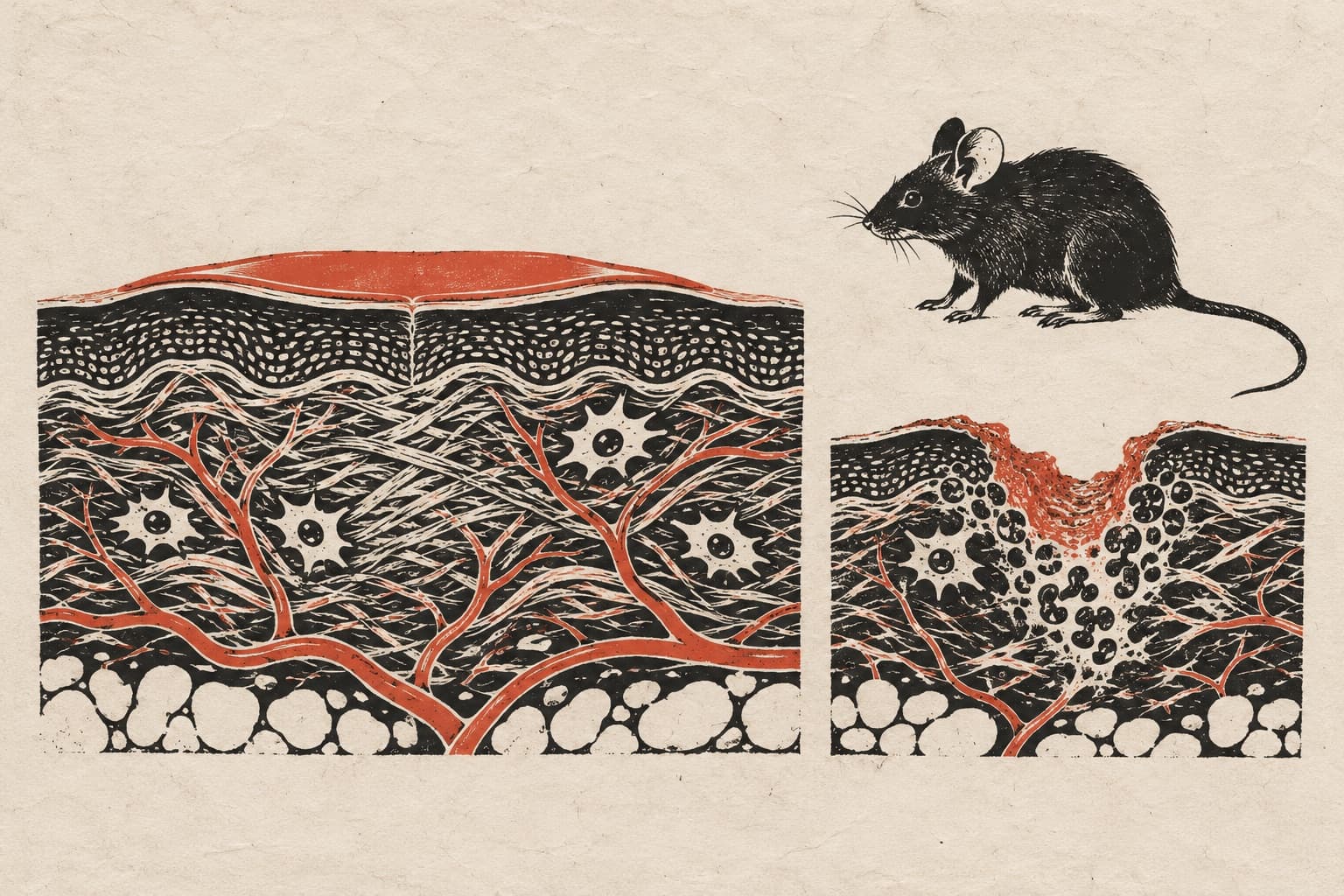
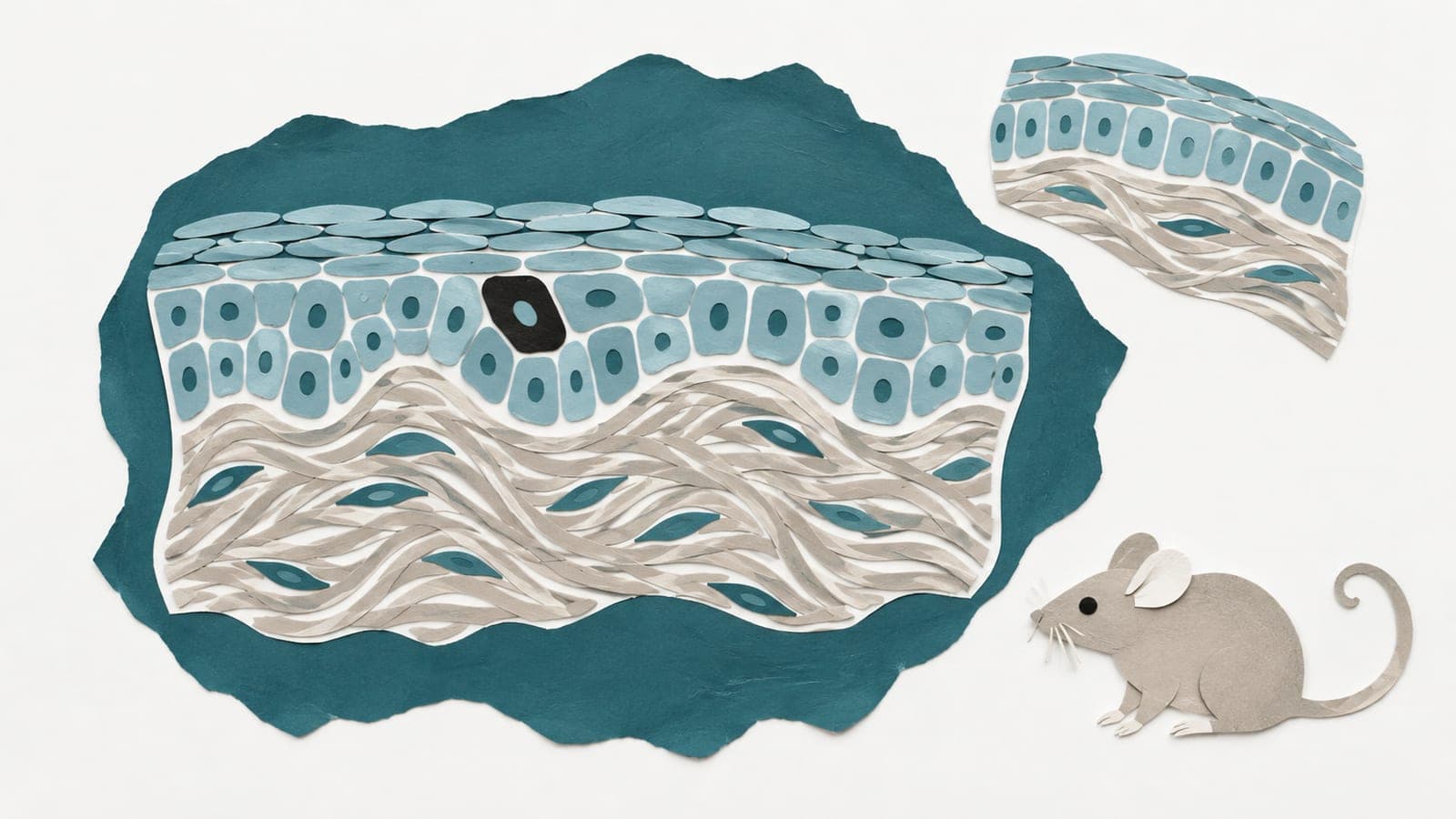
Skin aging is characterized by declines in structural functions, contributing to age-associated frailty. Sulforaphane (SFN), a natural anti-inflammatory substance, has been widely applied in multiple types of cancer therapies. However, its role in alleviating intrinsic skin aging remains to be elucidated. Integrative network pharmacology and proteomics were utilized to investigate the underlying mechanisms of SFN in intrinsic skin aging. Fifty-one anti-aging targets of SFN were identified, highlighting its promising regulatory impact on the aging process. Based on an 18-month-old natural aging mouse model, significant alleviation in skin structure, redox homeostasis, and immune cell composition was noted after 2 months of SFN supplementation. Additionally, proteomic analysis demonstrated that SFN reversed the proteomic profile of intrinsic skin aging, with 233 differentially expressed proteins (DEPs) identified in SFN-fed aging mice. Of note, the up-regulated DEPs were highly enriched in the apelin signaling pathway (p = 0.010). Furthermore, immune cell infiltration and whole blood cell analysis revealed that SFN rescued T cells depletion in dermal tissue, which was strongly correlated with DEPs enriched in the SFN-activated apelin signaling pathway. SFN improves skin morphology and immune functions via activating the apelin signaling pathway, suggesting new prime targets in counteracting intrinsic skin aging.
The paper
Anhui Medical University; Yangzhou University
Molecular Nutrition & Food Research, 2 Oct 2025