The role of miR-217/SIRT1 Axis in modulating the NLRP3 Inflammasome in the naturally aging thoracic aorta and in endothelial cells undergoing senescence induced by H₂O₂
Abstract
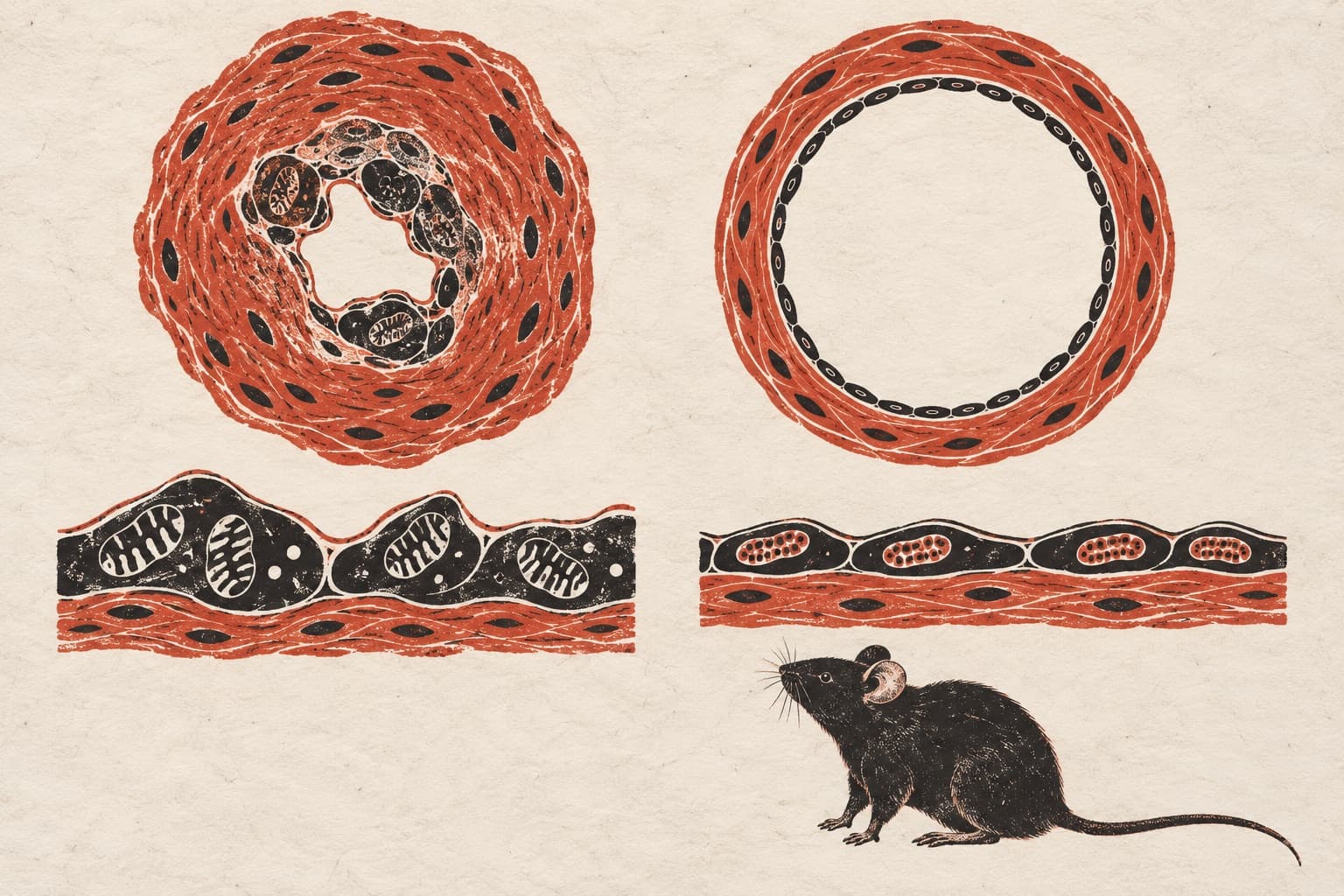
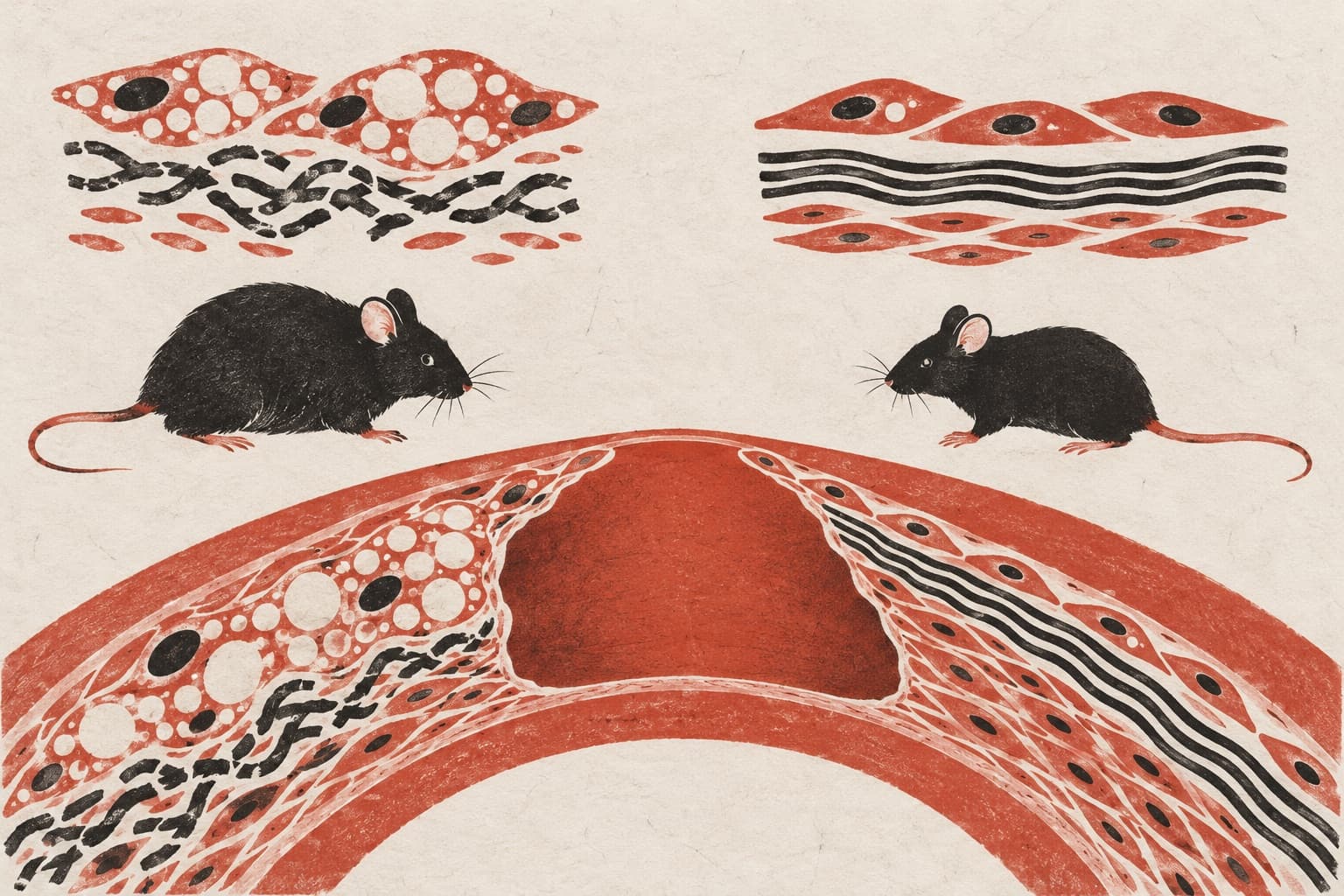
Given resveratrol's (RES) potential as an anti-aging agent, this study explored its ability to inhibit the NOD-, LRR-, and pyrin domain-containing protein 3 (NLRP3) inflammasome through the miR-217/SIRT1 axis in senescent endothelial cells. Male C57BL/6 mice were administered a customized regular diet supplemented with 0.04 % RES for 64 consecutive weeks. Subsequently, the effects of RES on senescent human umbilical vein endothelial cells (HUVECs) induced by H₂O₂ were evaluated. Gene expression analyses were conducted following SIRT1 knockdown in HUVECs treated with H₂O₂ and RES, or transfected with miR-217 mimics and inhibitors. The study found that RES reduced body weight, improved endothelial function, enhanced SIRT1 expression, and suppressed the expression of miR-217, NADPH oxidase 4 (NOX4), and NLRP3 in the senescent thoracic aorta. Additionally, RES significantly reduced the expression of NOX4, X-box binding protein 1 spliced (XBP1s), and reactive oxygen species (ROS) production in a dose-dependent manner in senescent HUVECs. SIRT1 knockdown resulted in the activation of the NLRP3 inflammasome by upregulating NOX4 and XBP1s expression, an effect that was partially attenuated by RES pretreatment. RES also suppressed the expression of miR-217 induced by H₂O₂. The miR-217 mimic facilitated cellular senescence; however, RES mitigated this effect, which was further amplified by the miR-217 inhibitor.
The paper
Anhui Medical University
International Immunopharmacology, 29 Sep 2025