From aging to space: A comparative biology of skeletal muscle degeneration
Abstract
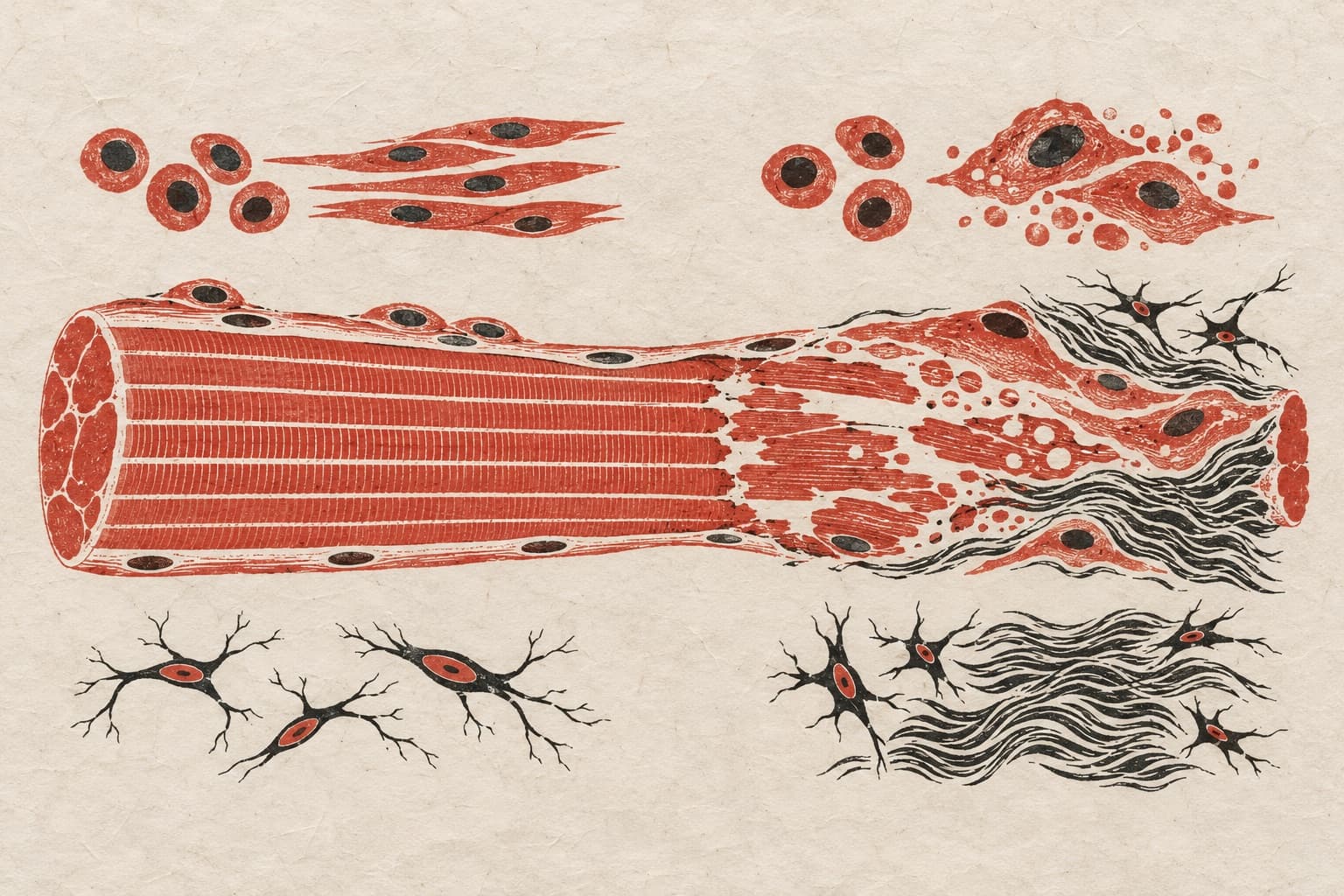
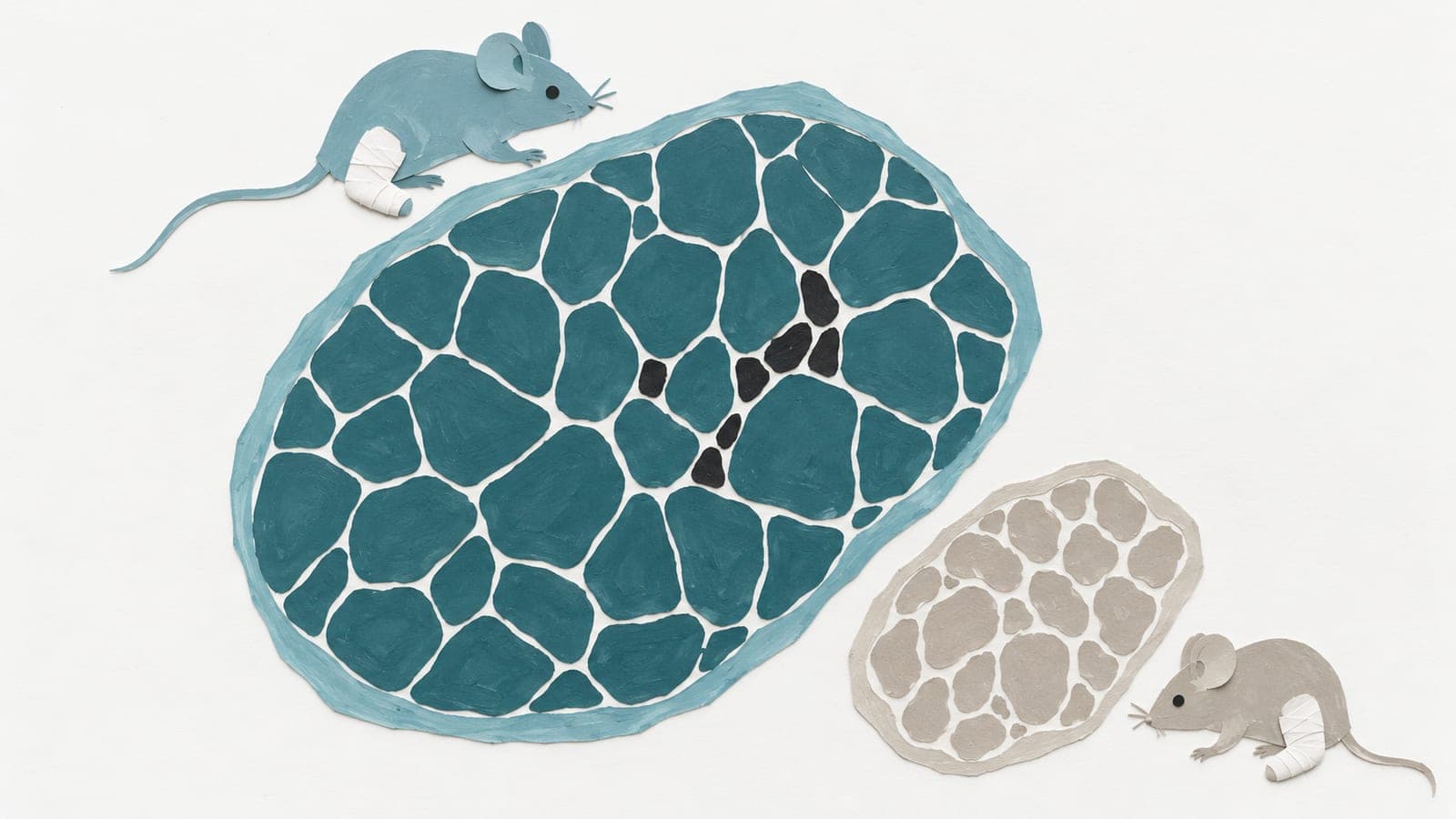
Sarcopenia, the progressive loss of skeletal muscle mass and function with age, represents a major clinical concern, particularly in the context of disuse and unloading conditions such as simulated microgravity. This review explores the molecular, cellular, and physiological responses of skeletal muscle to simulated microgravity and compares them with those observed during aging-associated sarcopenia. A central focus is placed on impaired excitation-contraction coupling, altered calcium homeostasis, and dysregulation of signalling pathways critical for muscle maintenance. Simulated microgravity induces rapid suppression of the IGF-1/Akt/mTOR axis, activation of FOXO-mediated proteolysis, and mitochondrial dysfunction via AMPK-PGC-1α inhibition, paralleling but accelerating the trajectory observed with aging. Unique to the effects of simulated microgrvity is the early upregulation and partial reversibility of myostatin-Smad signalling and autophagy activation, which diverge in pattern and timing from aging. Additionally, mechanotransduction pathways such as YAP/TAZ and redox-sensitive systems like NRF2 respond differently in simulated microgravity and sarcopenia. We further highlight the emerging role of neuromuscular junction (NMJ) instability, fiber-type switching, and nuclear calcium signalling in both contexts, emphasizing their contribution to excitation-transcription coupling and long-term muscle adaptation. The insights from simulated microgravity models not only deepen our mechanistic understanding of sarcopenia but also offer a controlled platform to explore interventions. By delineating the overlapping and distinct molecular signatures of disuse-induced and age-related muscle loss, this review provides a foundation for developing targeted countermeasures for muscle atrophy in both clinical and spaceflight settings.
The paper
University of Sharjah
Biochimica et Biophysica Acta Molecular Basis of Disease, 18 Sep 2025