Ethyl gallate suppresses ferroptosis and alleviates intervertebral disc degeneration through targeting AKT1
Abstract
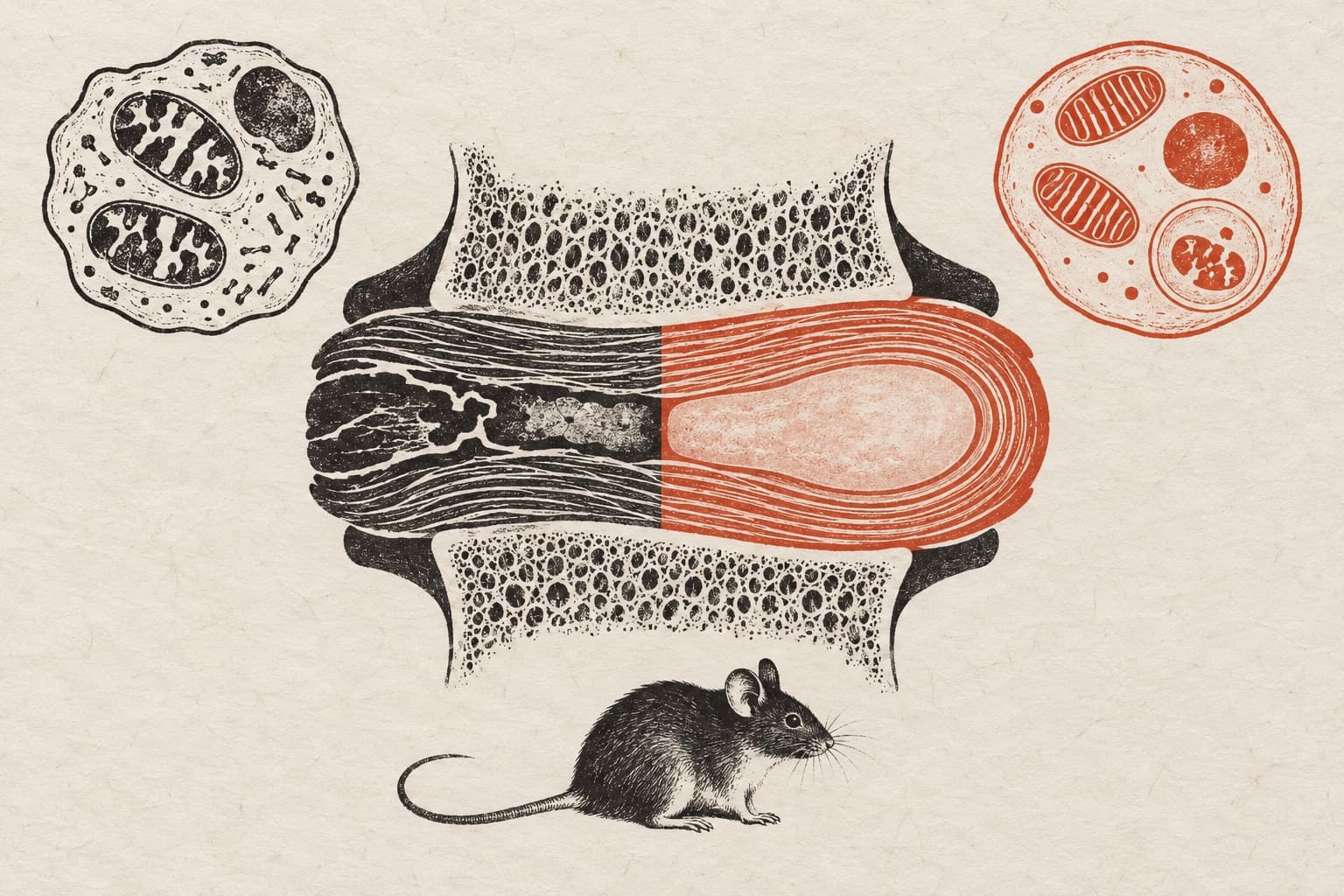
Intervertebral disc degeneration (IVDD) is a multifactorial process that leads to low back pain. Current managements for IVDD primarily focus on symptomatic relief and do not fundamentally address IVDD, and effective pharmacological interventions for IVDD are still lacking. Ferroptosis has been reported to involve in the pathogenesis and serve as an effective target for IVDD. In the current study, we evaluate the effect of Ethyl gallate (EG) on ferroptosis and its therapeutic potential in IVDD. It was found that EG may effectively suppress ferroptosis in nucleus pulposus cells. Network pharmacology and molecular docking analysis demonstrated that ethyl gallate may activate the AKT1 signaling pathway, which subsequently increase the expression of the ferroptosis suppressor gene GPX4, and reduce the degradation of the extracellular matrix (ECM) and suppress the senescence of nucleus pulposus cells (NPCs). In the rat puncture induced IVDD model, intraperitoneal injection of ethyl gallate delayed the progression of IVDD. In summary, our study indicates that ethyl gallate alleviated IVDD by inhibiting NPCs ferroptosis via activation of AKT1, as well as suppressing the cell senescence and ECM degradation, thus suggesting ethyl gallate as a promising therapeutic drug for IVDD.
The paper
Wenzhou Medical University
Biochemical Pharmacology, 12 Sep 2025