Senescent cancer cells in immune surveillance and evasion: mechanisms and therapeutic implications
Abstract
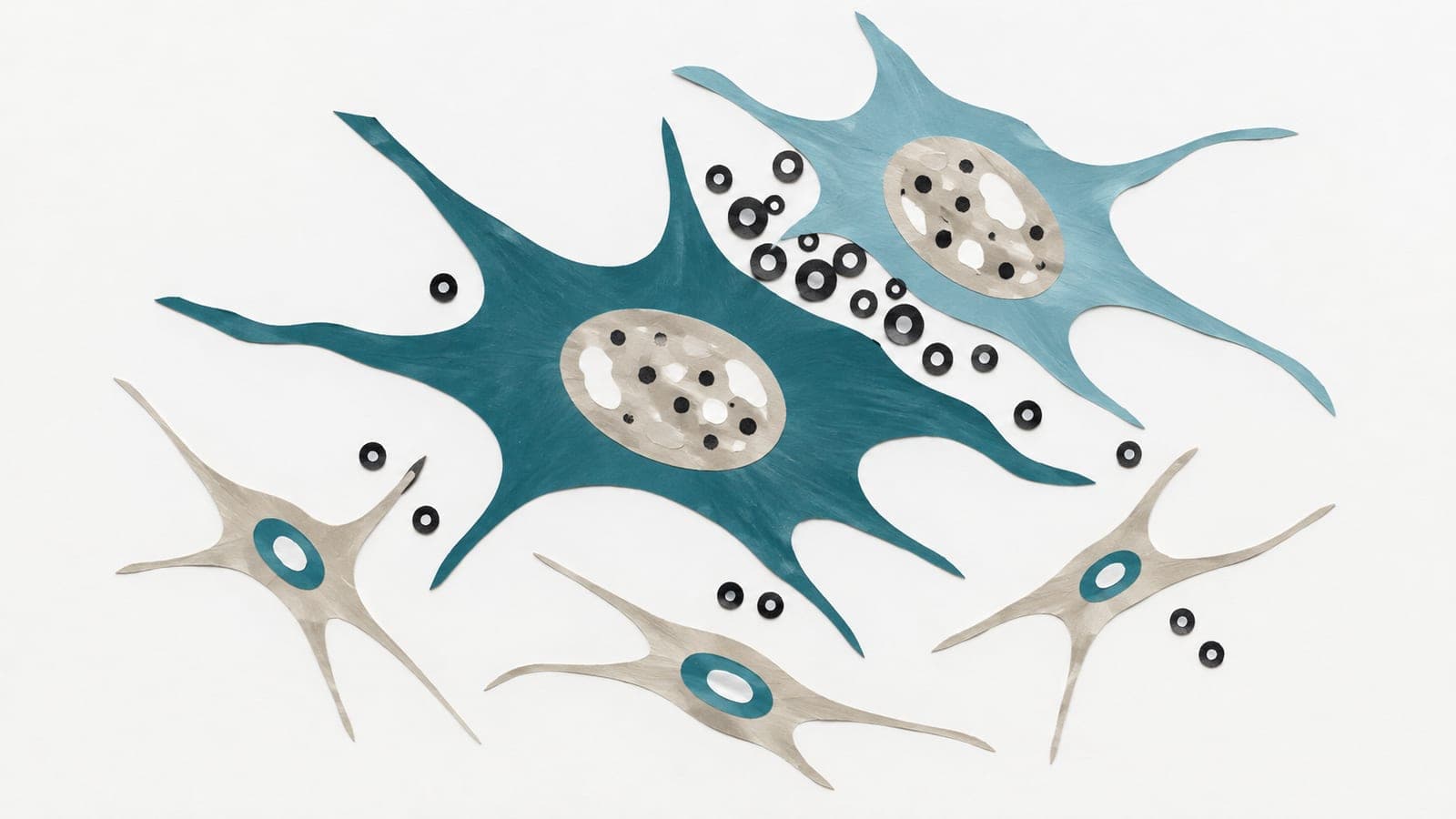
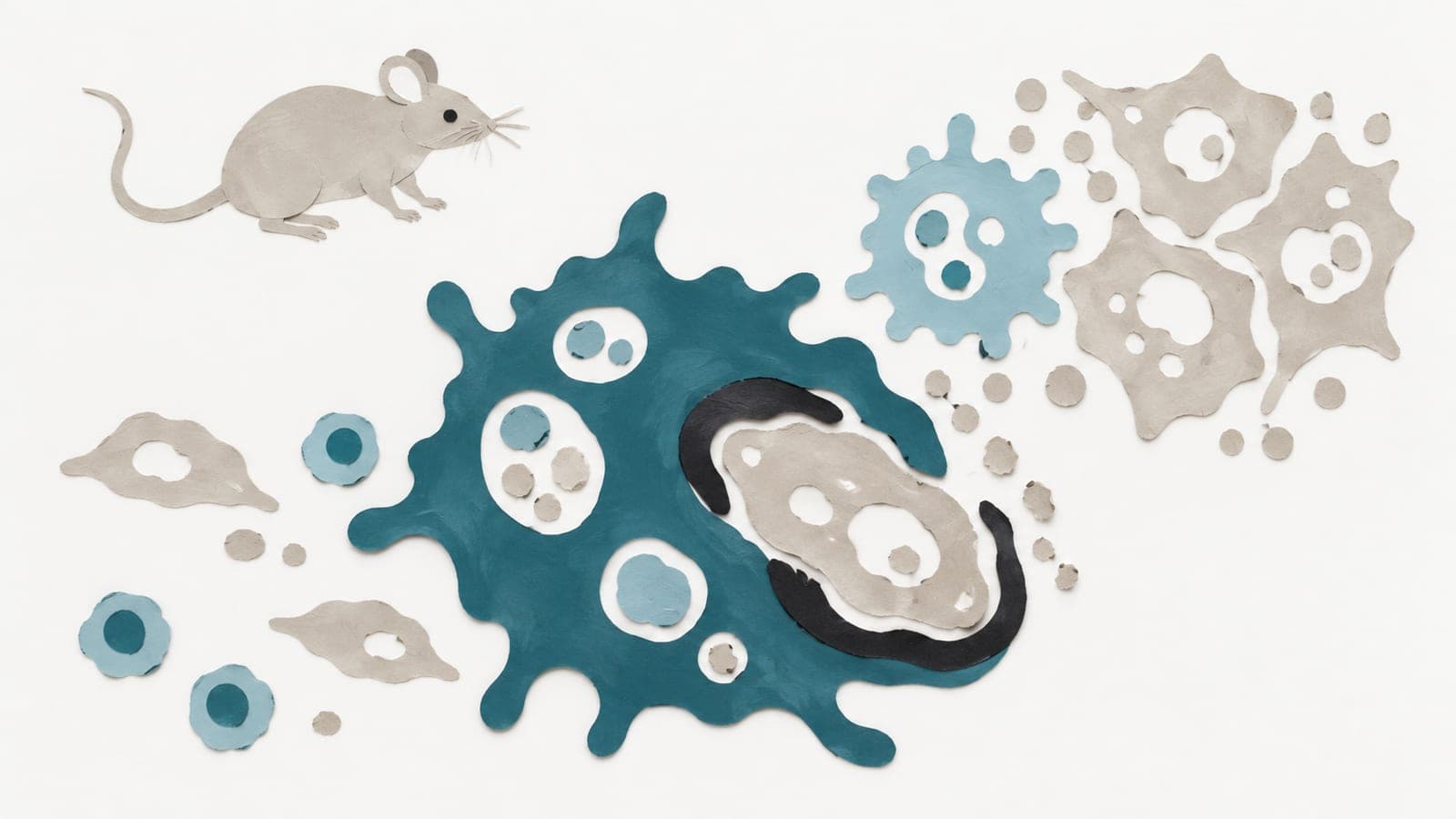
Cellular senescence is a stress-induced program characterized by long-lasting cell cycle arrest and the secretion of bioactive and inflammatory molecules, which are collectively referred to as the senescence-associated secretory phenotype (SASP). Diverse stressors, including oncogene activation, chemotherapy, radiotherapy, and cytokine exposure, can induce cellular senescence in cancer cells. Senescent cancer cells (SnCs) can enhance immune responses and promote tumor immune surveillance. However, in the tumor microenvironment (TME), SnCs can also induce immune suppression, facilitating tumor growth and metastasis. Understanding the biological changes in SnCs and their impact on the immune system is essential. In this review, we discuss 3 mechanisms by which the immune system recognizes and eliminates SnCs, as well as 3 mechanisms that allow SnCs to evade immune surveillance. Finally, we explore cancer treatment strategies related to SnCs, including SnC-based vaccines and the "one-two punch" therapy.
The paper
China Pharmaceutical University
Journal of Leukocyte Biology, 1 Sep 2025