Self-healing hydrogels loaded with selenium nanoparticles/chitosan/cellulose nanofibers as carriers of mesenchymal stem cells for diabetic wound healing
Abstract
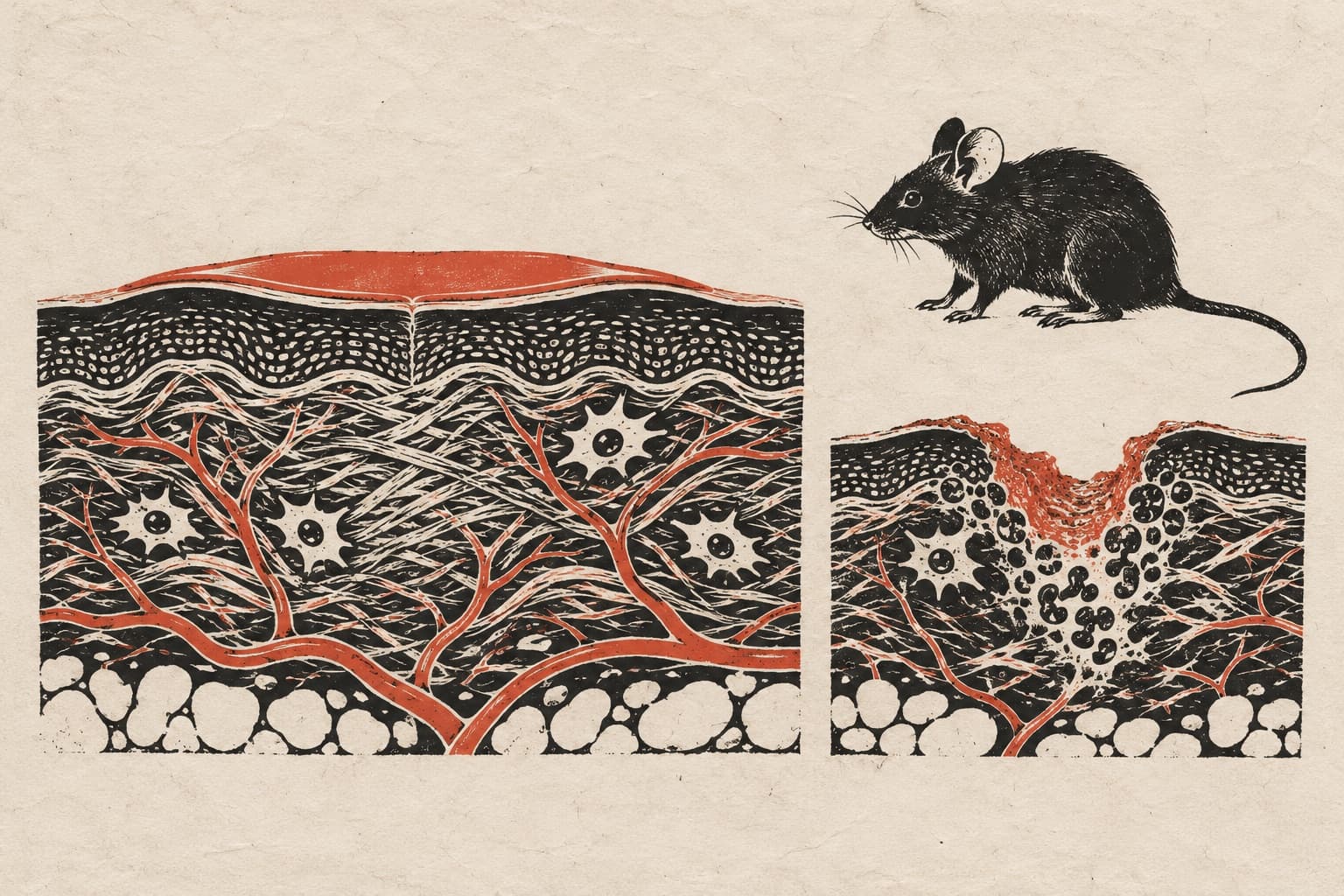
As one of the most serious chronic complications of diabetes mellitus, diabetic foot ulcers (DFUs) have a complex pathogenesis involving multiple factors such as persistent hyperglycemia-induced microangiopathy, chronic inflammatory state and oxidative stress injury. Regenerative medicine strategies of stem cells have brought new hope for DFUs treatment, among which adipose-derived mesenchymal stem cells (ADSCs) have attracted much attention due to their easy accessibility, multidirectional differentiation potential and paracrine function. However, excessive accumulation of reactive oxygen species (ROS) due to the high-glucose microenvironment can trigger mitochondrial dysfunction and premature senescence of ADSCs, which greatly reduce their therapeutic efficacy. To address this critical issue, this study innovatively constructed a Selenium nanoparticles/Chitosan/Cellulose nanofibers (SeNPs@CS-CNFs) self-healing hydrogel system. The hydrogel integrates: antimicrobial and epidermal regeneration benefits of chitosan; the three-dimensional porous network structure formed by cellulose nanofibers, and reduction-synthesized SeNPs scavenge ROS by GPX-mimicking activity. Its self-healing ability ensures structural stability during wound healing. In vitro, the SeNPs@CS-CNFs@ADSCs hydrogel significantly enhanced cell migration. In vivo experiments showed that SeNPs@CS-CNFs@ADSCs hydrogel significantly accelerated the healing of whole skin defects in diabetic rats, promoted collagen deposition and neovascularization, and exhibited good anti-inflammatory effects. This innovative multifunctional hydrogel presents a promising DFUs treatment strategy with clinical potential.
The paper
Jiangsu University
International Journal of Biological Macromolecules, 20 Aug 2025