Chronic exposure to polystyrene micro/nanoplastics triggers testicular dysfunction through PI3K/AKT/mTOR signaling-mediated spermatocyte senescence in mice
Abstract
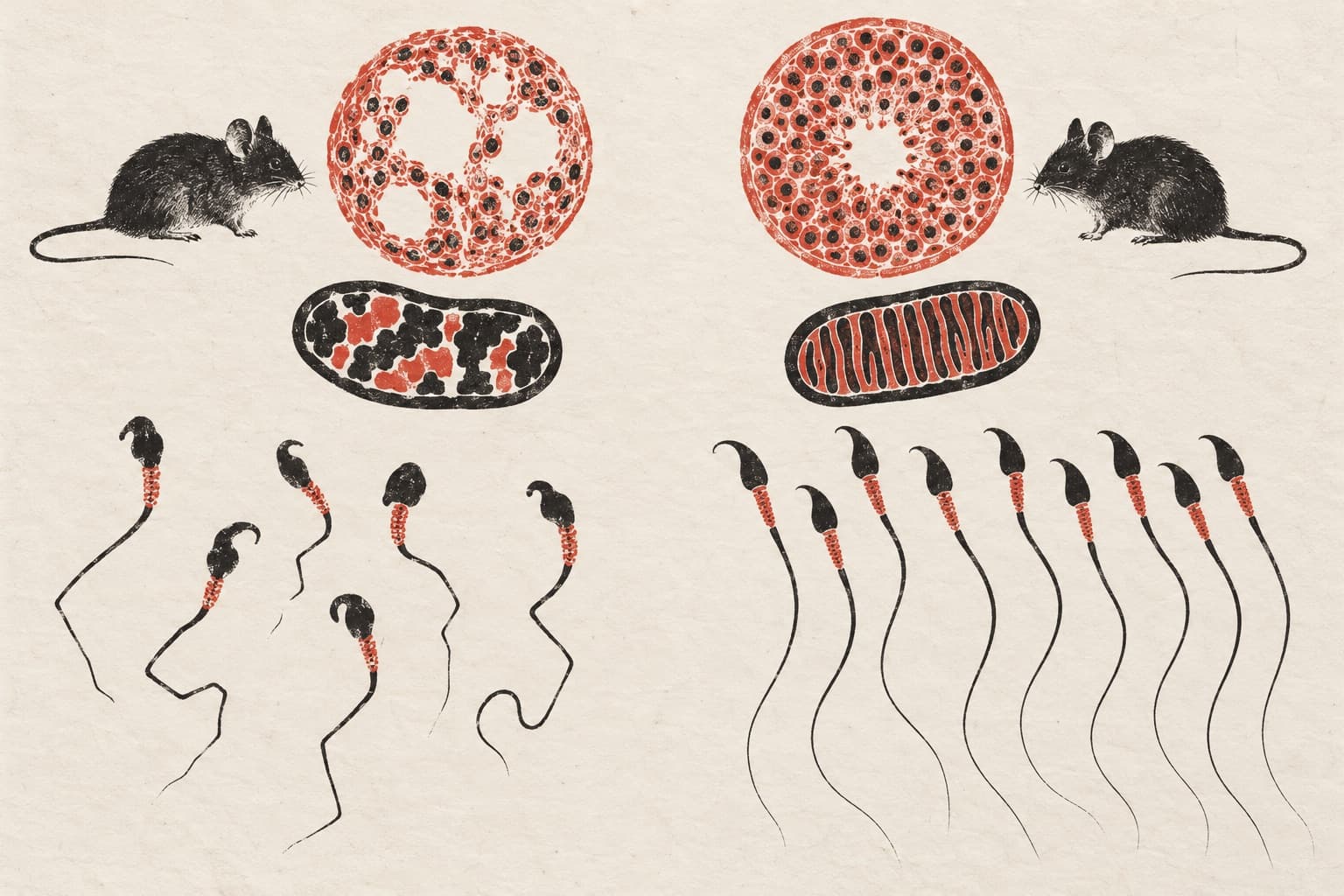
While the potential microplastic toxicity has attracted considerable research attention, studies on its chronic reproductive effects in male mammals remain limited. Here, we investigated the chronic reproductive toxicity of polystyrene microplastics (PS-MPs, 5 μm) and polystyrene nanoplastics (PS-NPs, 20 nm) both in vitro, using GC2 cells, and in vivo, employing male C57 mice. Histopathological analysis revealed dilated seminiferous tubules, disorganized spermatocytes, and reduced spermatocyte counts in treated groups. Consistently, sperm count and motility were significantly decreased following PS-MPs and PS-NPs exposure. These effects were closely associated with spermatocyte senescence, as indicated by β-galactosidase activity and the markers of telomerase inhibition, DNA damage, and cell cycle arrest. Mechanistically, PS-MPs and PS-NPs trigger spermatocyte senescence through activation of the PI3K/AKT/mTOR signaling pathway. Our findings demonstrate that PS-MPs and PS-NPs cause structural damage and spermatogenic dysfunction in mouse testes, potentially mediated by spermatocyte senescence through the PI3K/AKT/mTOR pathway.
The paper
Chongqing Medical University
Food and Chemical Toxicology, 14 Aug 2025