4D flow MRI of aortic blood flow parameters in healthy volunteers: Sex- and age-specific analysis
Abstract
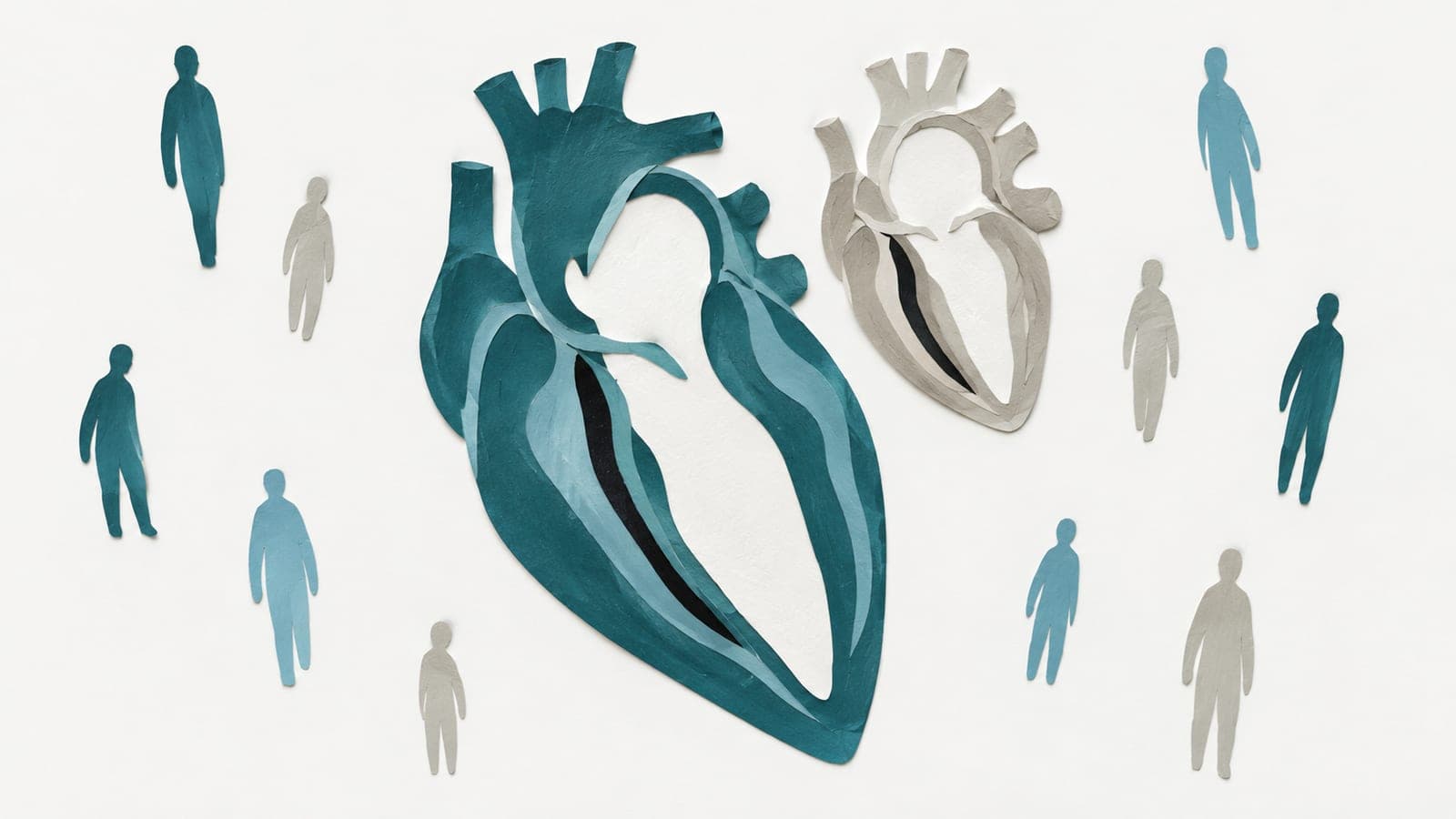
PURPOSE: Four-dimensional (4D) flow MRI enables comprehensive assessment of aortic hemodynamics, but normative values remain limited, especially for Asian populations. This study aimed to establish age- and sex-specific normative values for flow-related parameters in healthy Korean adults. METHODS: Seventy-seven healthy volunteers (aged 20-79 years) underwent 4D flow MRI. Hemodynamic parameters-velocity, viscous energy loss, normalized vorticity, and helicity-were quantified in the ascending aorta (AAo), aortic arch (AoA), and descending aorta (DAo). RESULTS: Significant sex differences were found for velocity in the AAo (p < 0.001) and viscous energy loss across all segments (p < 0.05), while normalized vorticity and helicity showed no sex-related differences. In viscous energy loss, males had higher values than females in the AAo (2.84 ± 1.05 vs 2.22 ± 0.60 mW, p = 0.017), AoA (0.74 ± 0.37 vs 0.42 ± 0.19 mW, p = 0.001), and DAo (4.78 ± 1.82 vs 3.32 ± 1.55 mW, p = 0.002). Most parameters demonstrated age-related declines, especially in the DAo. Strongest correlations with age were seen for velocity (r = -0.725, p < 0.001) and viscous energy loss (r = -0.745, p < 0.001). Positive helicity showed sex-specific aging trends, with the strongest correlations in the DAo for men and the AoA for women. Negative helicity showed the strongest correlation in the DAo in both sexes. CONCLUSIONS: This study established age- and sex-specific normative values for aortic hemodynamic parameters in healthy Korean adults using 4D flow MRI. While sex differences were limited, most flow parameters declined with age.
The paper
Kangwon National University; Asan Medical Center
Magnetic Resonance Imaging, 6 Aug 2025