M6PR upregulation by berberine attenuates hepatic senescence via sorting STING into endosome for degradation
Abstract
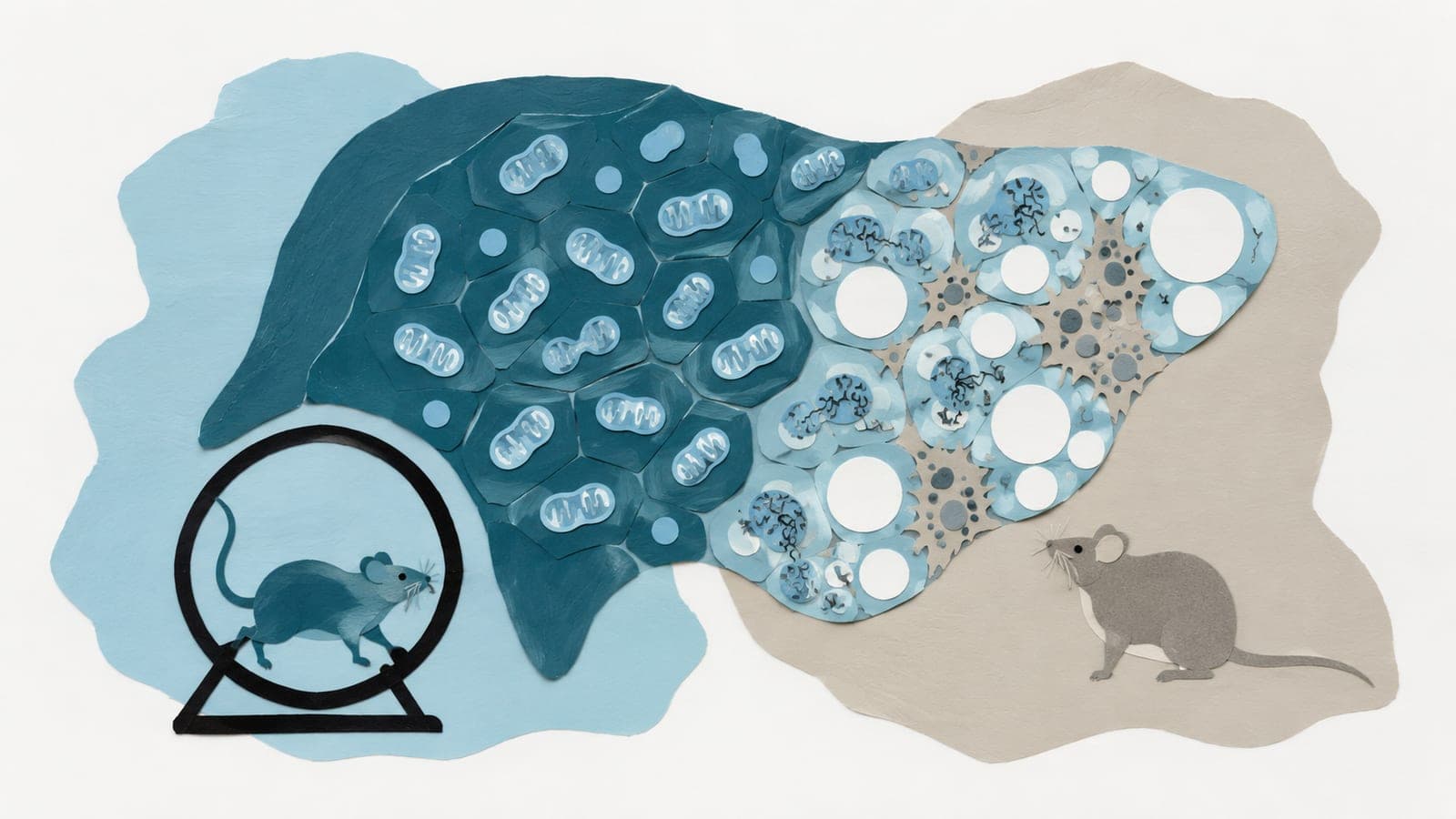
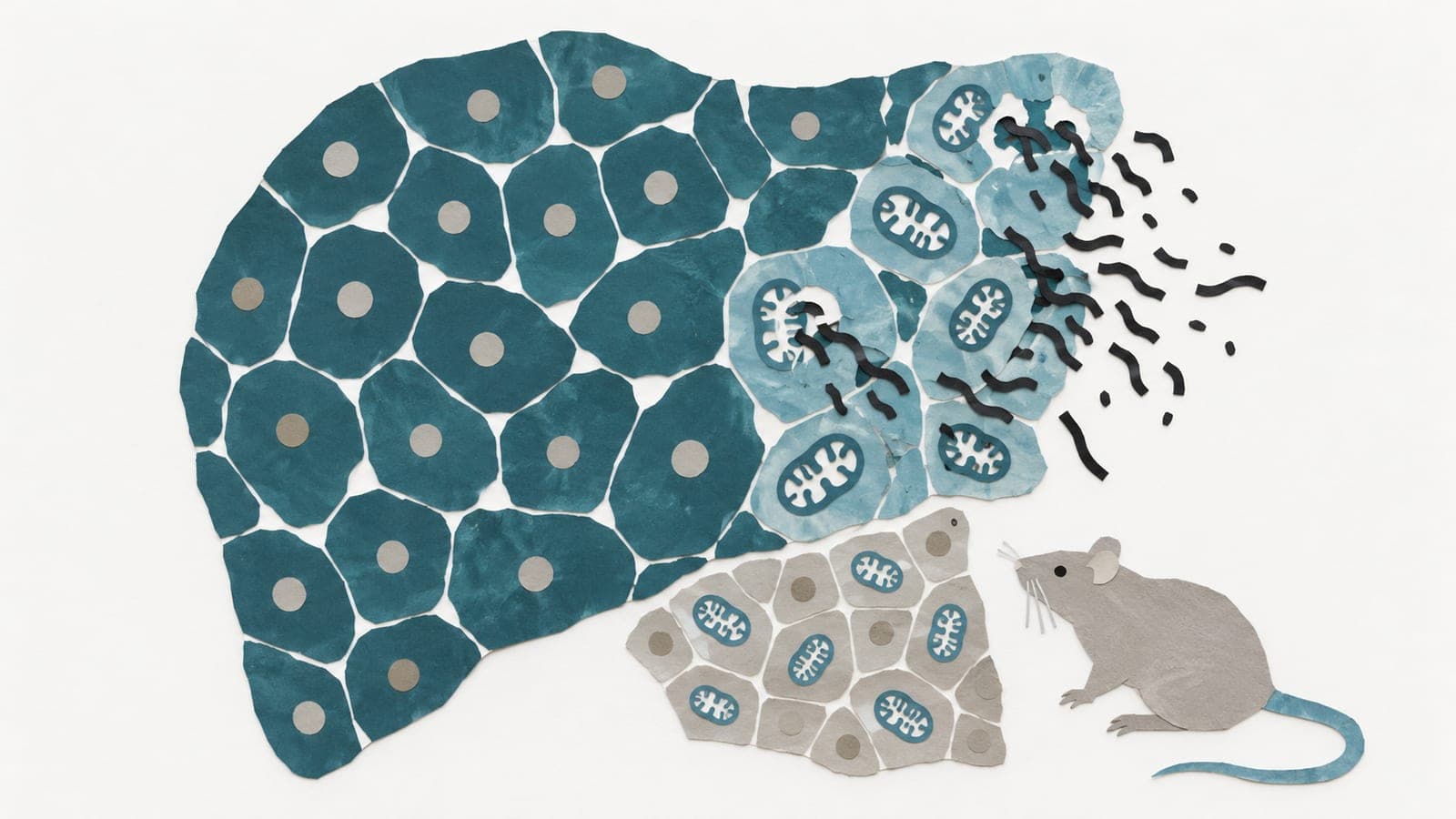
BACKGROUND: Cellular senescence is associated with various hepatic diseases. Stimulator of interferon genes (STING) signaling has been identified as a significant driver of cellular senescence and hepatic stellate cells (HSCs) activation. The blockade of STING signaling serves as a potential strategy to halt senescence. However, little is known about the anti-aging natural compound inhibiting STING signaling to date. PURPOSE: To screen natural compound targeting STING signaling, and to unearth its pharmacological actions and molecular mechanisms. METHODS: Natural compound inhibiting STING signaling was identified using RT-PCR, and anti-aging effects were systematically evaluated in doxorubicin (Dox)-induced senescent cells and natural aging mice, respectively. Exact pharmacological effects and molecular mechanisms were thoroughly investigated using inhibitors and agonists of the STING signaling, STING dimerization assay, bioinformatic analysis, Western blotting, immunoprecipitation, immunofluorescence and cell thermal shift assay. RESULTS: Here, marketed drug berberine (BBR), a natural compound, was identified as an inhibitor of STING signaling and a potential candidate for attenuating hepatic senescence. Mechanistically, STING was indeed overexpressed and over-activated to induce the production of interferon-beta (IFN-β) and other senescence-associated secretory phenotypes (SASPs), thereby initiating senescence process and HSCs activation in response to cell stress. We unexpectedly found that BBR upregulated mannose 6-phosphate receptor (M6PR) in senescent cells rather than normal cells, which could bind to STING and sort it to and reside in endosomes for degradation, further suppressing the STING signaling and cellular senescent phenotypes. Importantly, unless M6PR was knocked down, anti-aging effects of BBR were difficult to reverse even after the reversal of STING expression, because M6PR made STING strong residence in endosomes. CONCLUSION: These results support BBR as a promising candidate for attenuating hepatic senescence and unveil the straight-forward yet vital role of M6PR in BBR-mediated anti-aging effects by sorting STING into and reside in endosomes for degradation.
The paper
First Affiliated Hospital of Xi'an Jiaotong University; Shanghai Jiao Tong University
Phytomedicine, 25 Jul 2025, Open access