Down-regulation of IGFBP2 mediates endometrial epithelial cells senescence in thin endometrium
Abstract
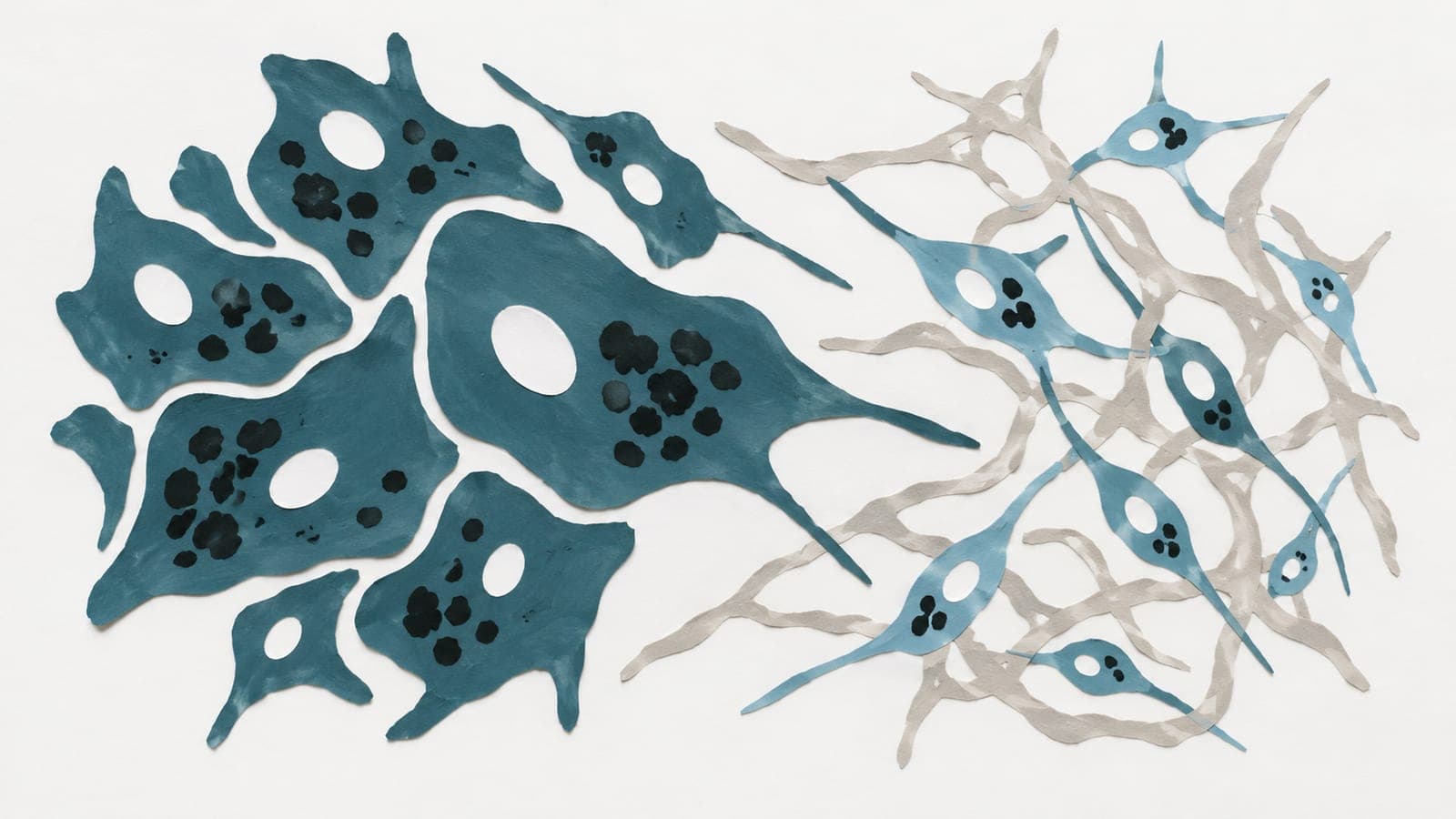
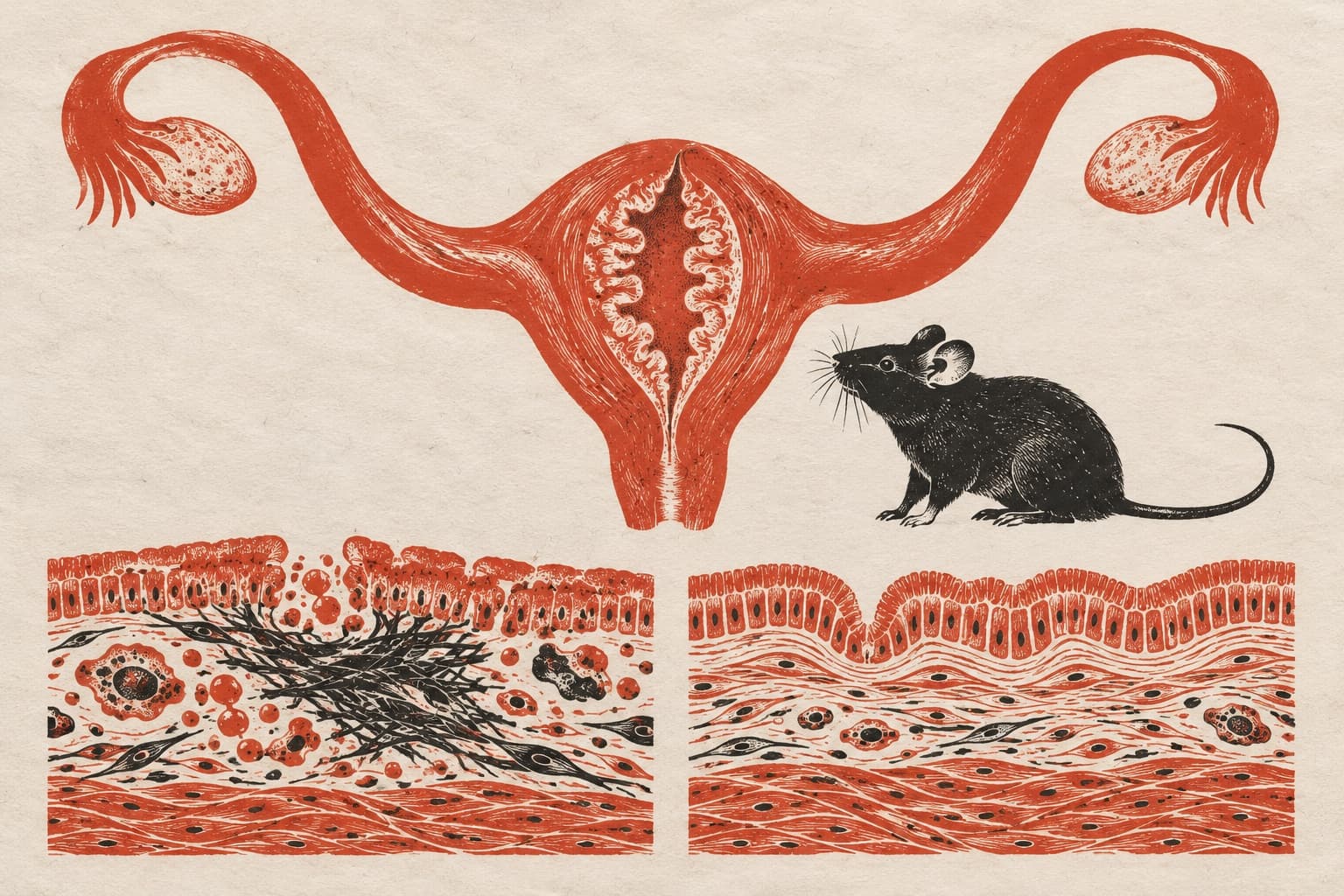
Thin endometrium (TE) is generally recognized as a contributing factor to reduced pregnancy rates and adverse perinatal outcomes, yet the pathogenesis of the disease remains elusive. We conducted an analysis and validation of single-cell RNA sequencing data pertaining to TE and demonstrated that insulin-like growth factor binding protein 2 (IGFBP2) expression is down-regulated, resulting in the senescence of endometrial epithelial cells. In both human primary endometrial epithelial cells and the Ishikawa cell (IKC) line (a well-established endometrial-derived epithelial cell), the introduction of recombinant human IGFBP2 protein effectively alleviates hydrogen peroxide (H2O2)-induced cellular senescence. Notably, it demonstrates superior performance compared to the well-known anti-aging agent Dasatinib in specific aspects. Specifically, transfecting IGFBP2 protein siRNAs promotes cyclin-dependent kinase inhibitor 1A (P21) accumulation through the phosphatidylinositol 3-kinase (PI3K)/AKT serine/threonine kinase (AKT) signaling pathway by regulating phosphatase and tensin homolog deleted on chromosome 10 (PTEN) activity. Furthermore, administering IGFBP2 protein or Dasatinib to TE mouse models, which was established by endometrial curettage combined with H2O2 instillation, restored endometrial thickness by inhibiting senescence. Our findings demonstrate that down-regulation of IGFBP2 protein plays a pivotal role in mediating the senescence of endometrial epithelial cells in TE. This offers novel insights into elucidating the pathogenesis of TE and identifying potential new therapeutic targets.
The paper
Nanjing Drum Tower Hospital; Nanjing University of Chinese Medicine
Molecular Human Reproduction, 3 Jul 2025