Efficient and simple protocol for mechanical isolation of foreskin-derived primary human dermal fibroblasts for replicative senescence studies
Abstract
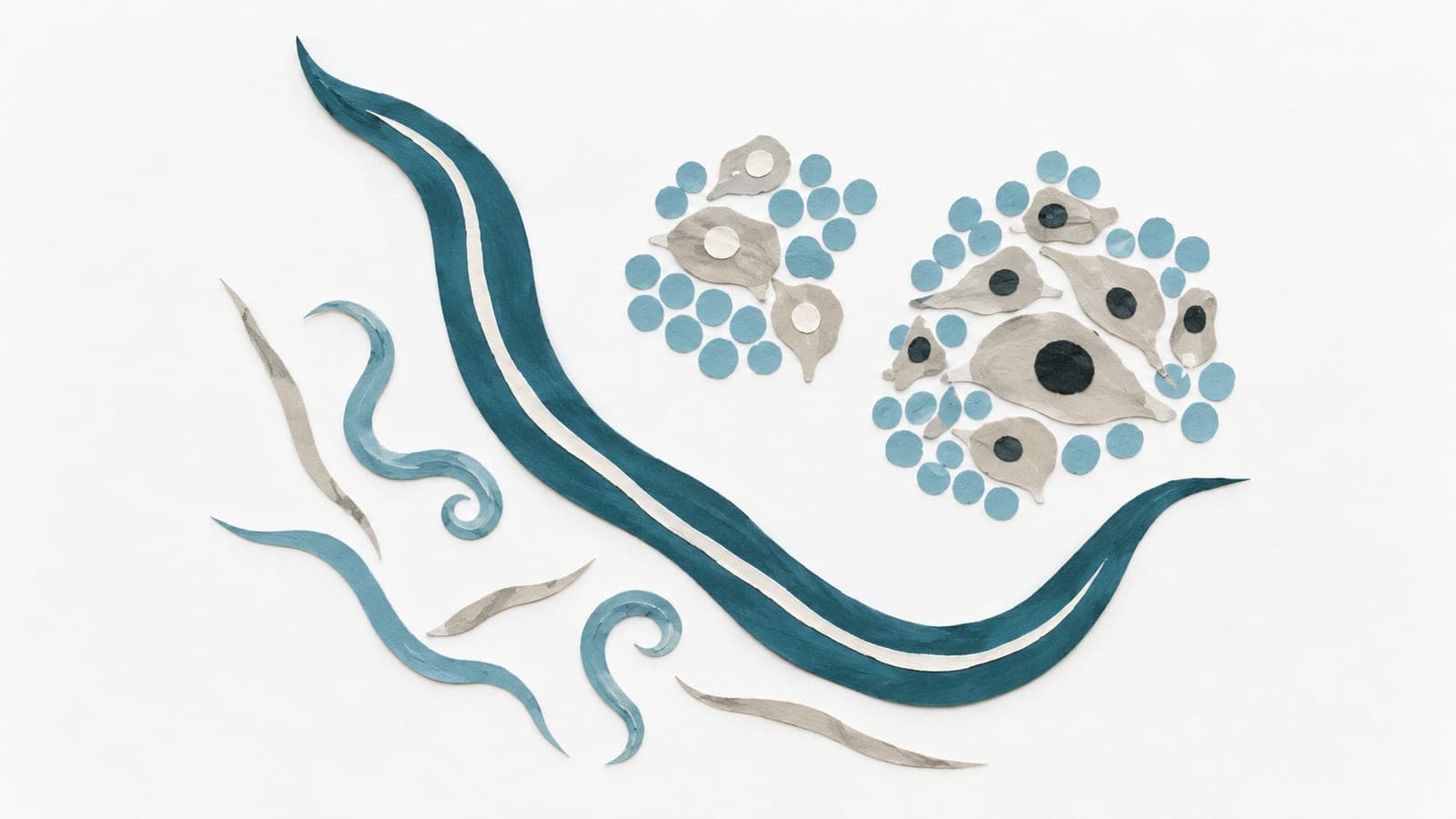
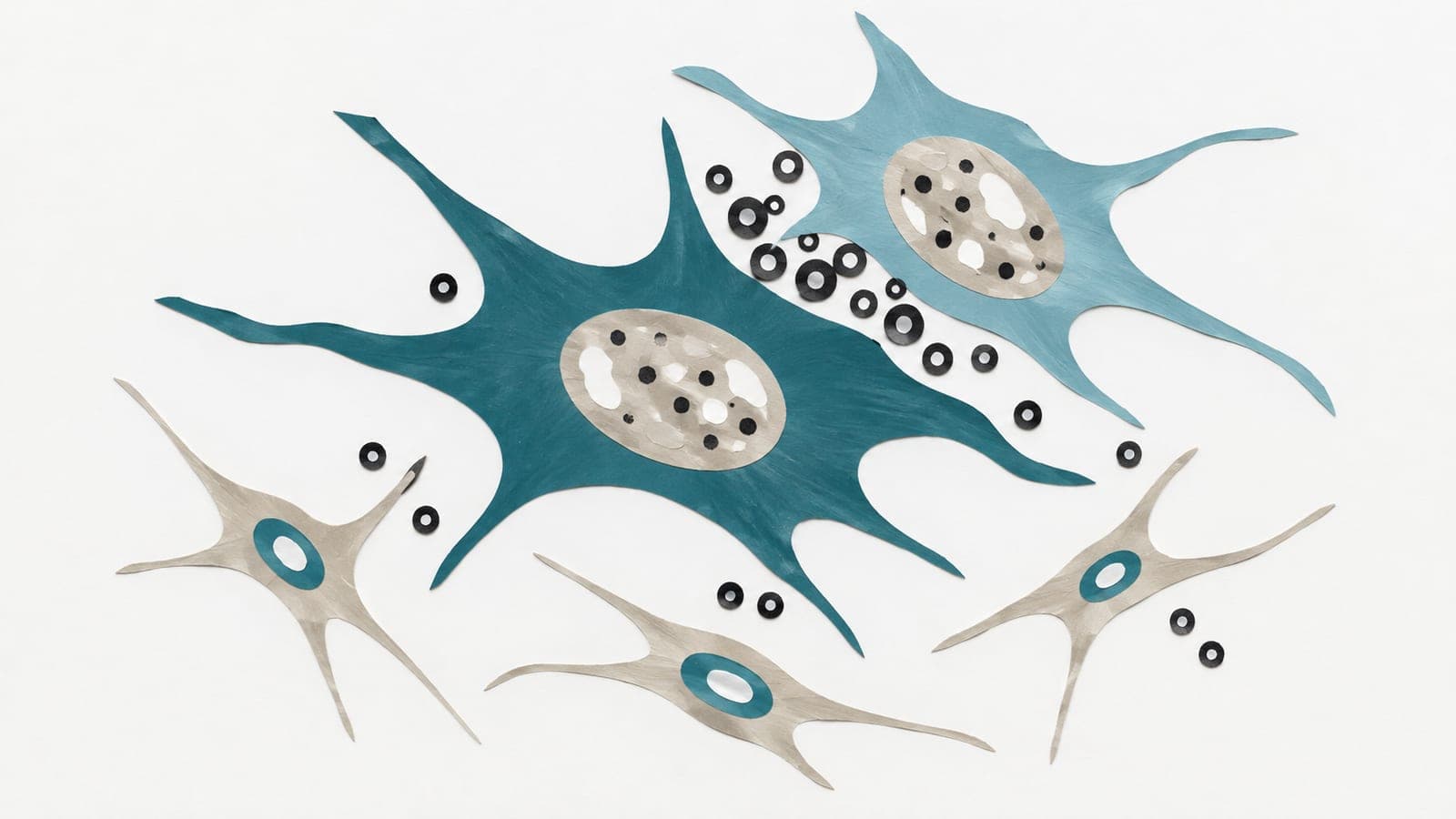
BACKGROUND: An efficient and reproducible protocol was developed for the mechanical isolation of human dermal fibroblasts (HDFs) from the foreskin, providing a practical alternative to enzymatic methods. This protocol could be easily performed with limited resources by reducing the need for expensive reagents and complex procedures. Viable cells were successfully subcultured repeatedly for cellular senescence studies, with reproducibility ensured through a detailed description. RESULTS: This mechanical isolation method successfully generated HDFs with elongated spindle-shaped morphological characteristics that expressed the ACTIN protein, VIMENTIN protein, and SERPINH1 gene. HDFs survived through passage 8 (P8) during repeated subculturing. CONCLUSIONS: The mechanical isolation protocol efficiently yields primary HDFs from the foreskin and supports replicative senescence up to passage 8 (P8). It can be applied to intrinsic skin aging studies, particularly in resource-limited settings.
The paper
Padjadjaran University
BMC Research Notes, Jul 18, 2025, Open access