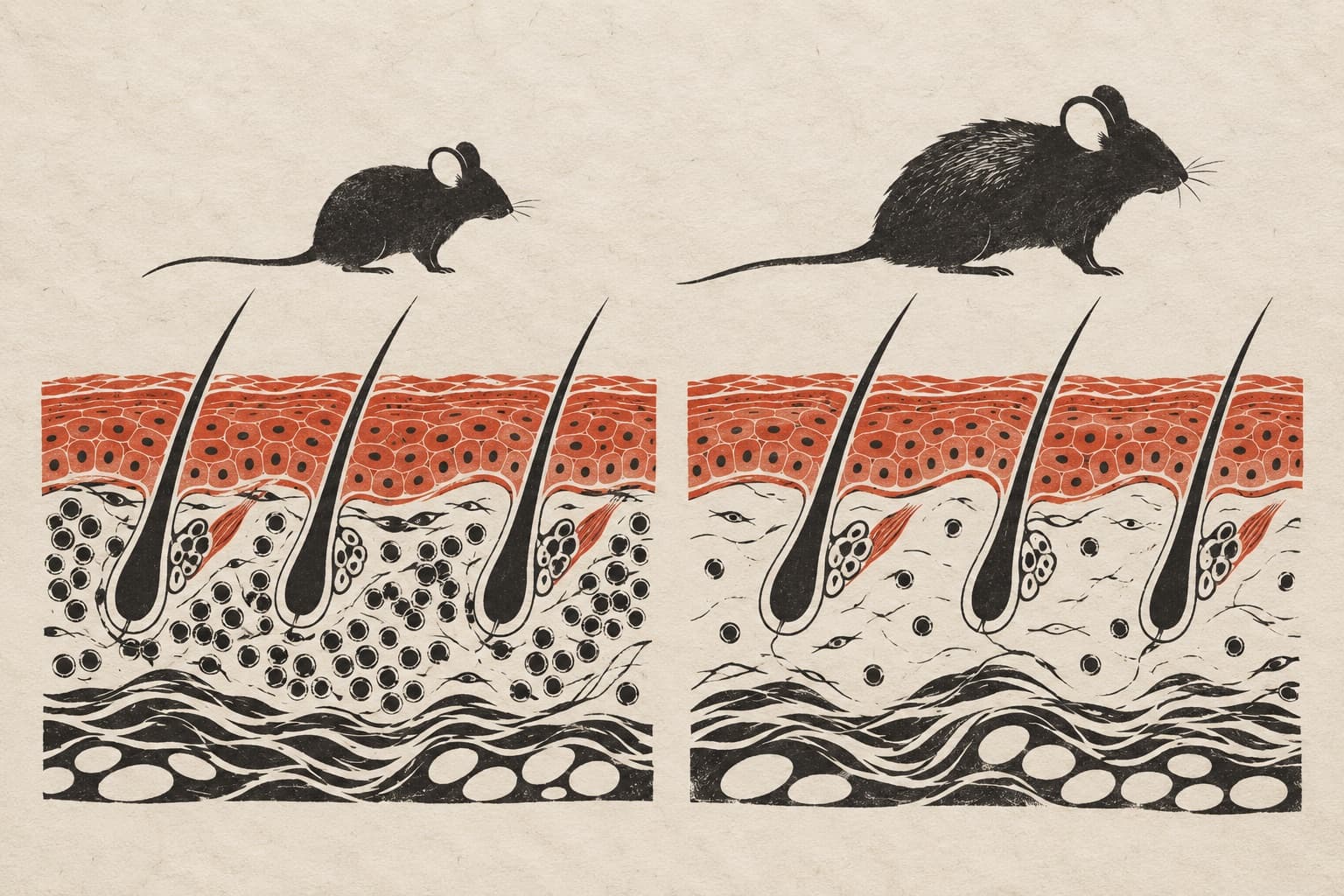
Advanced Age in Mice Exacerbates Sepsis-Induced Inflammation, Vascular Permeability, and Multi-Organ Dysfunction
Abstract
Sepsis is a life-threatening syndrome marked by a dysregulated immune response to an infection and significant endothelial vascular permeability, often leading to multi-organ failure. Elderly patients are particularly vulnerable to sepsis, with higher morbidity and mortality rates. We hypothesized that advanced age exacerbates sepsis-induced inflammation and endothelial vascular permeability, resulting in a delayed recovery, persistent inflammation, and sustained organ injury. Using a polymicrobial sepsis model in young (3-month-old) and aged (18-month-old) C57BL/6 mice, sepsis was induced via intraperitoneal cecal slurry (CS) injection. Outcomes were assessed during the acute (24-h; 1.6 mg/g CS) and recovery (8-day; 1.0 mg/g CS) phases. During the acute phase, aged mice exhibited worse physiologic dysfunction, higher systemic (plasma TNF-α: young septic 202.1 pg/mL [17.44, 398.9] vs. aged septic 482.6 pg/mL [279.8, 711.7]; P = 0.0352, Mann-Whitney) and organ-specific inflammation, increased endothelial injury and vascular permeability, and greater kidney and liver dysfunction compared to young mice. During recovery, aged mice had sustained physiologic dysfunction, prolonged systemic and organ-specific inflammation, and sustained organ injury (kidney tissue NGAL: young septic 291.5 RE [203.7, 373.2] vs. aged septic 821 RE [456, 1,258] protein normalized to β-actin; P = 0.0008, Mann-Whitney) compared to young mice. These results support the hypothesis that advanced age worsens sepsis severity and outcomes and delays recovery, emphasizing the need for aged models and multi-organ evaluations to develop effective therapies for this vulnerable population.
The paper
Vanderbilt University
Shock, 26 Jun 2025, Open access, accepted manuscript