Decoding DNA repair regulation across human lifespan variability
Abstract
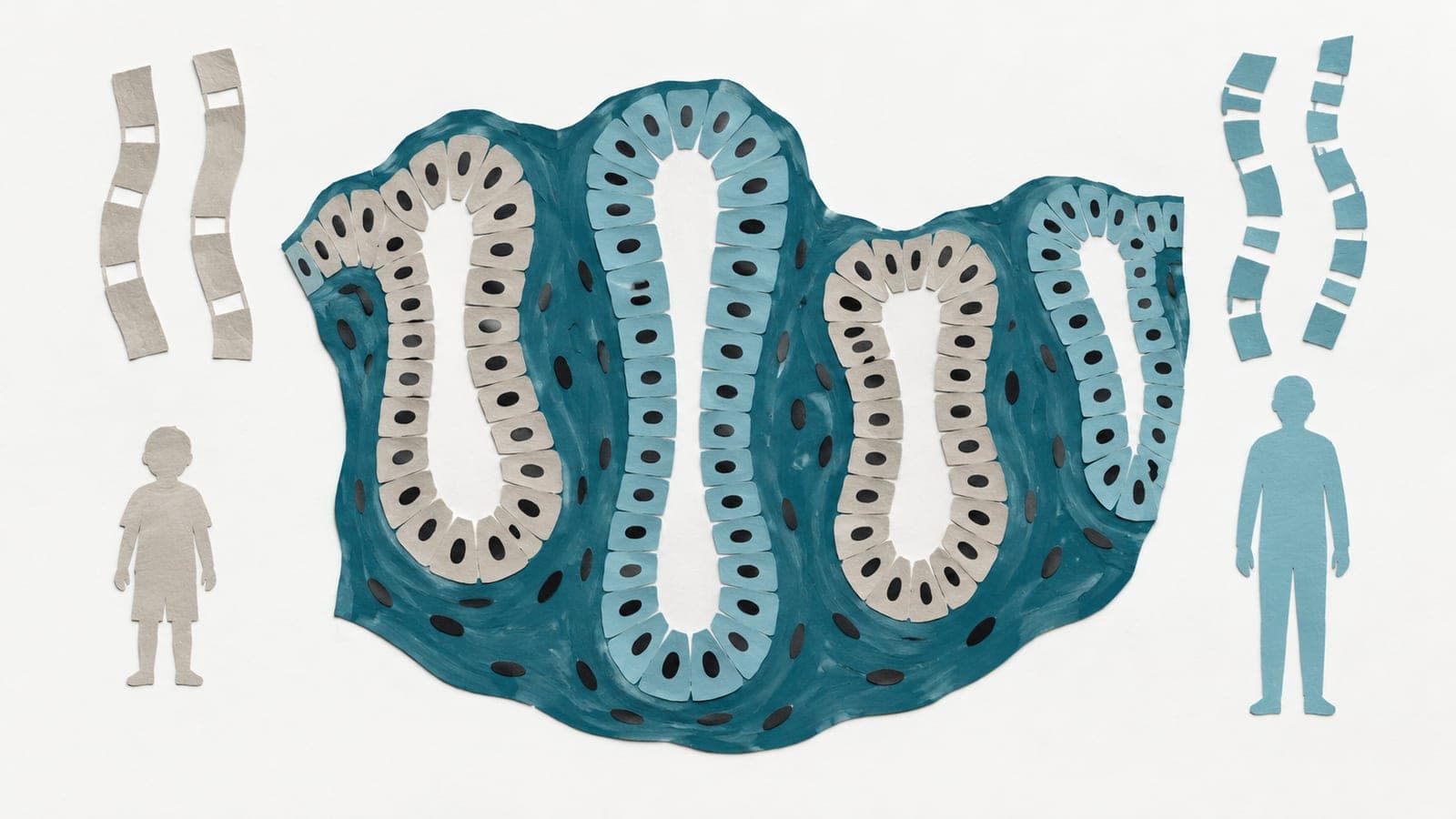
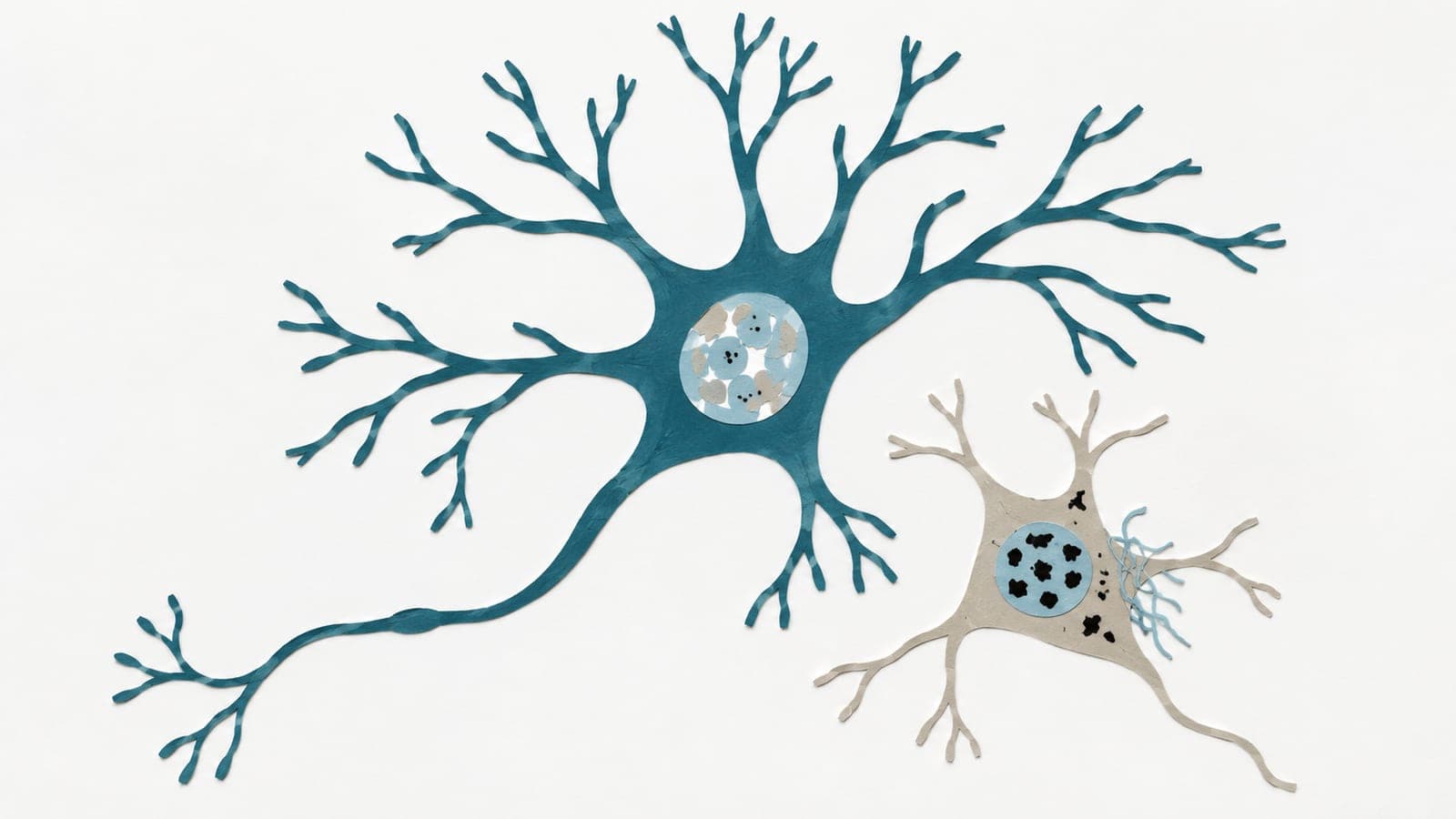
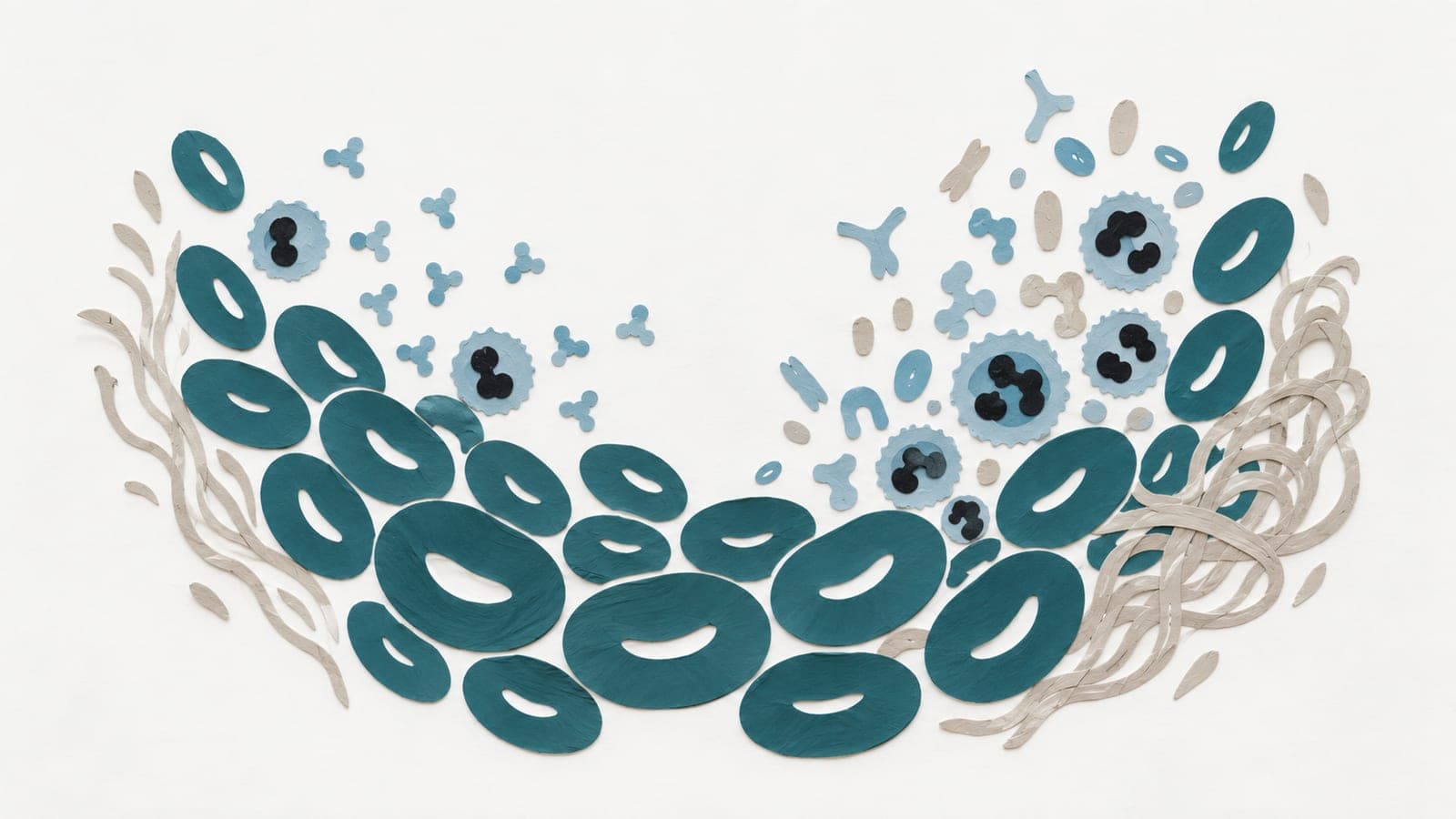
DNA repair, an evolutionarily conserved mechanism essential for restoring genetic homeostasis, has been implicated in aging and longevity by multiple lines of evidence. However, due to the challenges in obtaining human research materials, studies on the interplay between DNA repair and aging rely primarily on laboratory animal models, whose regulatory mechanisms may not fully mirror those in humans. Strikingly, the rate of aging varies by nearly an order of magnitude across humans, ranging from individuals with progeroid syndromes (lifespans under a decade) to the longest-lived recorded person (122 years). This extreme diversity provides a unique framework for comparative analysis of lifespan regulation in humans. By integrating advances in DNA repair studies across humans with divergent aging trajectories, this review provides novel insights into the molecular basis of DNA repair and lifespan, highlighting promising targeted therapies to promote longevity through precise modulation of DNA repair pathways.
The paper
Tongji University
Ageing Research Reviews, 10 Jul 2025