Intermedin₁₋₅₃ improves aging-associated cardiac remodeling and dysfunction via mitochondrial SIRT3-mediated SOD2 deacetylation
Abstract
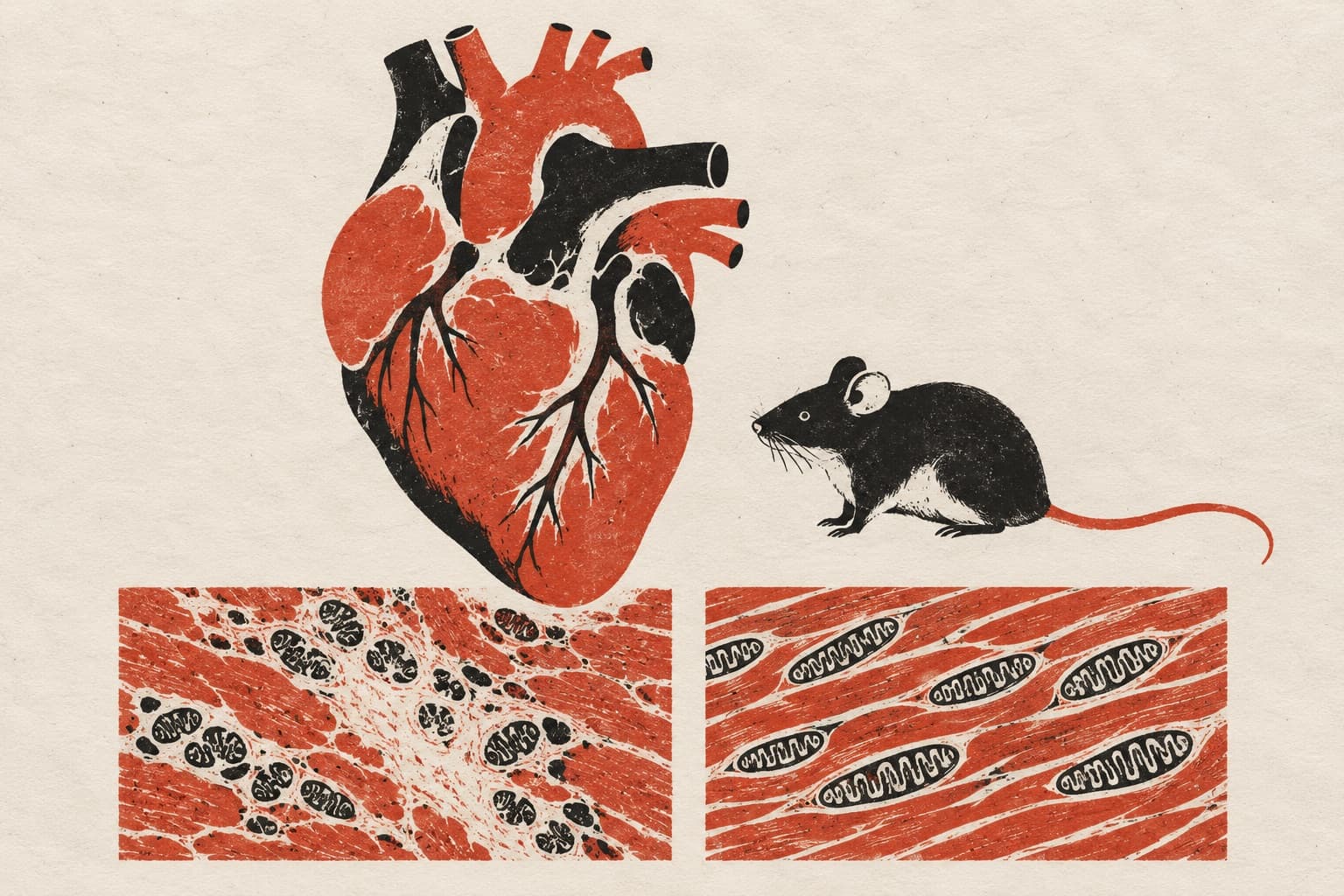
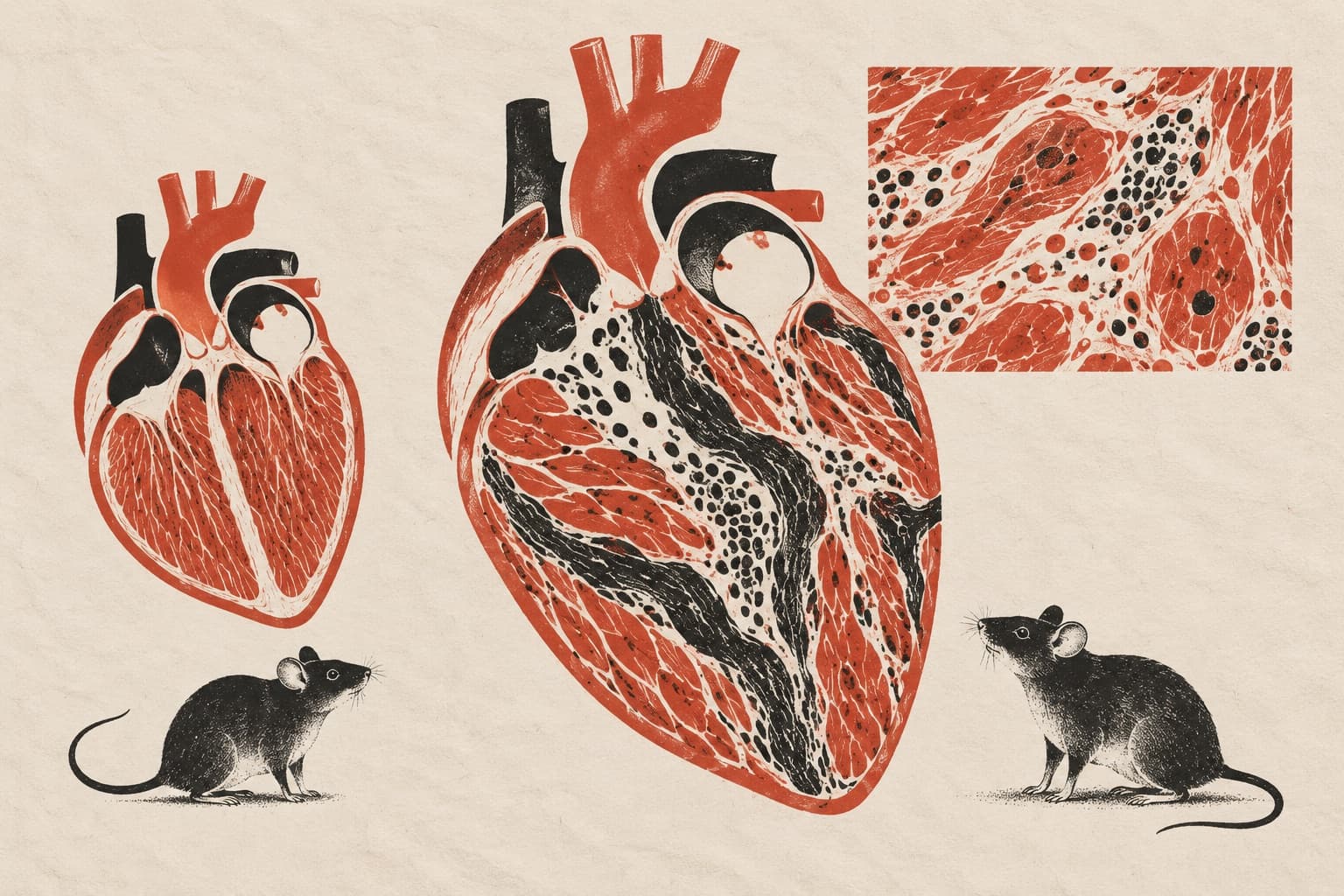
The aging-associated cardiac remodeling (AACR) is characterized by myocardial hypertrophy, fibrosis and cardiac dysfunction, which could be further aggravated by angiotensin II (Ang II) and pressure-overload in aged people. In this study, we aimed to investigate the roles and mechanisms of intermedin₁₋₅₃ (IMD₁₋₅₃), an endogenous peptide, in AACR in aged mice (18 months) with subcutaneous Ang II infusion (1000 ng/kg/min) for 2 weeks via osmotic pump or transverse abdominal aorta constriction (AAC) surgery for 4 weeks. In aged mice undergoing Ang II infusion or AAC surgery, the results showed that the mRNA and protein levels of IMD₁₋₅₃ were significantly reduced, but the protein levels of its receptor complex components were increased; blood pressure (BP), myocardial hypertrophy, fibrosis, and cardiac dysfunction were notably aggravated; mitochondrial Sirtuin 3 (SIRT3) protein level, superoxide dismutase 2 (SOD2) activity and ATP production were remarkably decreased, but acetylated SOD2 (acSOD2) protein level was markedly increased when compared with the old mice. The above alterations could be effectively alleviated by the subcutaneous IMD₁₋₅₃ administration (5 ng/kg/min) for 2 or 4 weeks. In Ang II-stimulated cardiomyocytes, IMD₁₋₅₃ treatment improved Ang II-induced mitochondrial dysfunction and oxidative distress, up-regulated SIRT3 protein expression, and reduced acSOD2 protein level, which were notably weakened by SIRT3 knockdown. Moreover, SIRT3 deletion attenuated the protective effects of IMD₁₋₅₃ on myocardial hypertrophy, fibrosis, and cardiac dysfunction in aged mice undergoing Ang II infusion. In addition, the effect of IMD₁₋₅₃ on up-regulating SIRT3 expression was effectively inhibited by the antagonism of IMD₁₋₅₃ receptor or blocking PI3K/Akt, cAMP/PKA and AMPK signaling pathways in vitro. Taken together, IMD₁₋₅₃ alleviated AACR and cardiac dysfunction aggravated by Ang II or pressure-overload involving the improvement of mitochondrial oxidative distress through SIRT3-medaiated SOD2 deacetylation.
The paper
Peking University
Journal of Molecular and Cellular Cardiology, 30 Jun 2025