Orexin-A and BDNF in the hippocampus of middle-aged rats: beneficial effects of integrating voluntary physical activity with intermittent fasting
Abstract
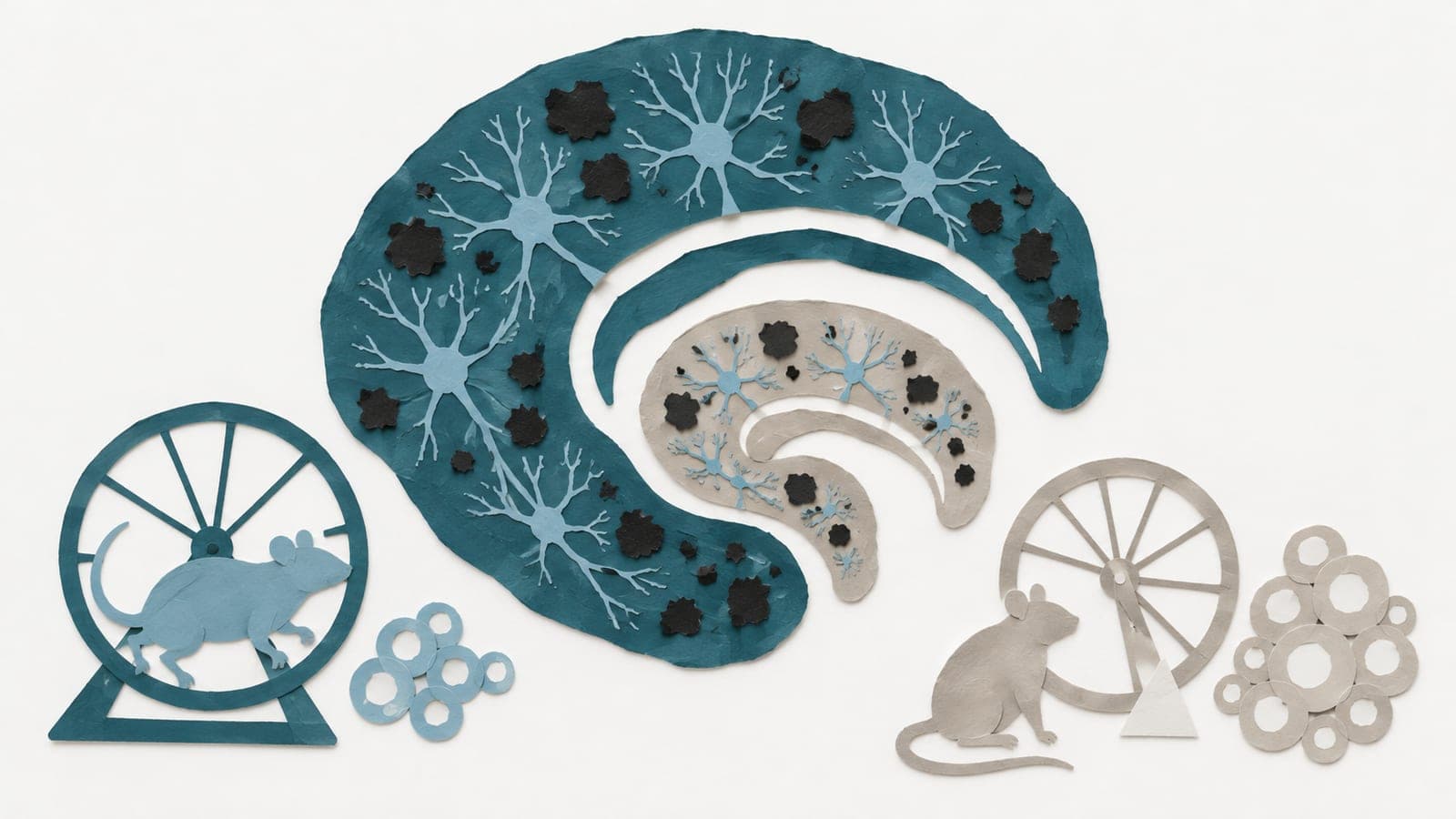
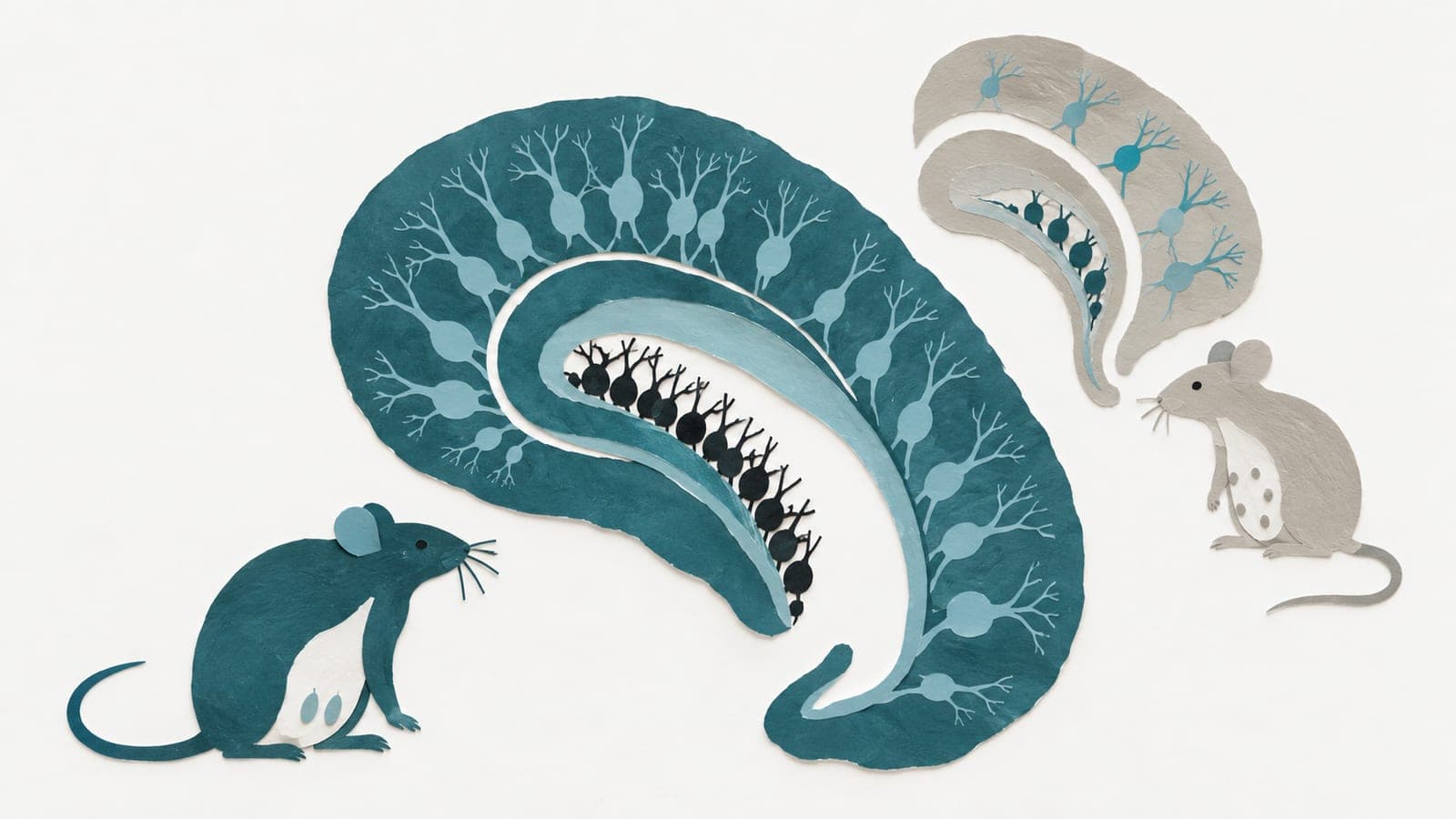
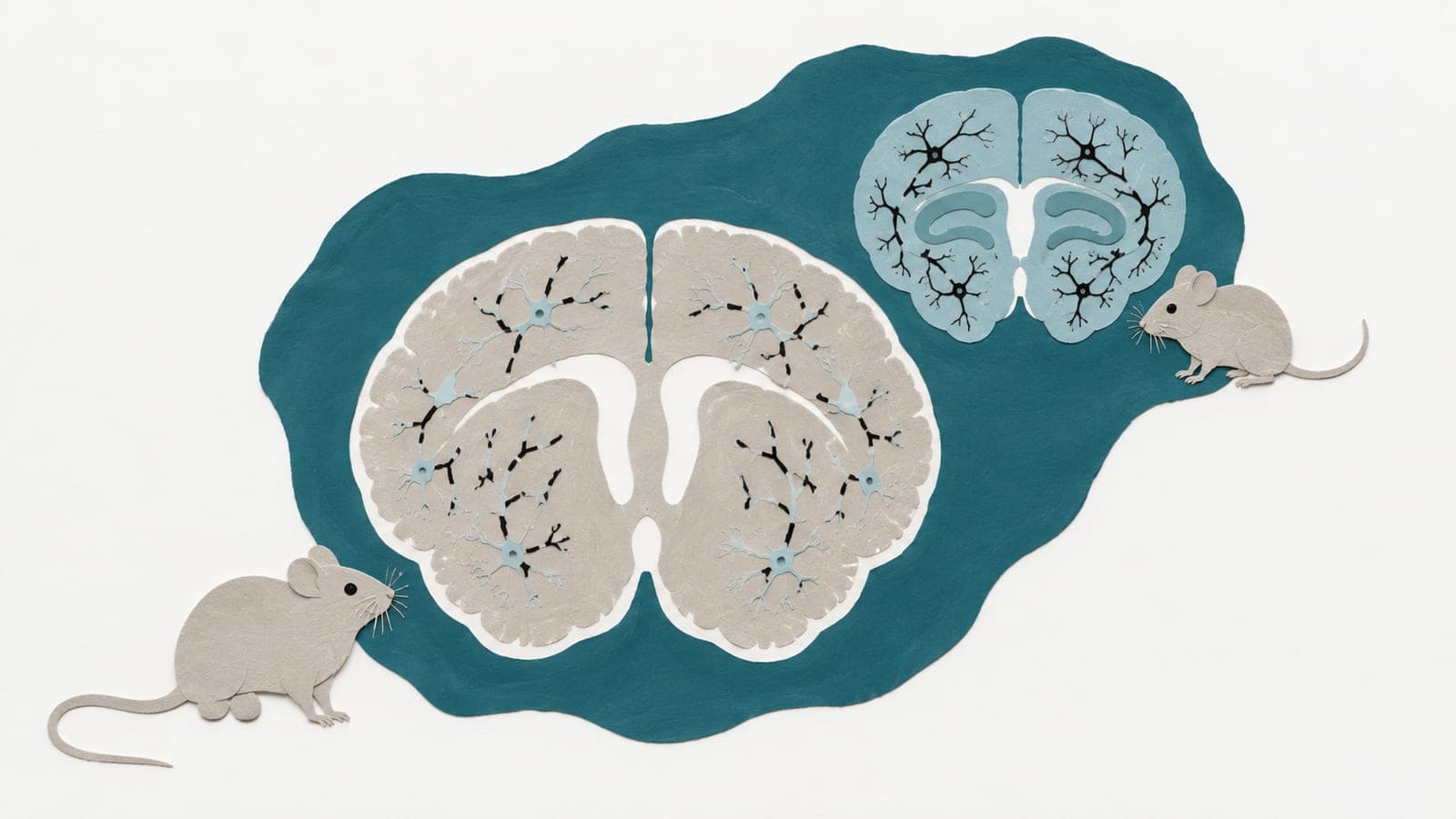
Aging is associated with cognitive decline, reduced hippocampal function, and decreased levels of brain-derived neurotrophic factor (BDNF) and orexin A -key regulators of neuroplasticity and energy balance. This study examined the chronic effects of intermittent fasting (IF), both alone and in combination with voluntary physical activity, on hippocampal orexin A, orexin receptor 1, and BDNF levels in middle-aged male Wistar rats. Over eight weeks, rats were divided into control (Con), IF, and IF with voluntary wheel running (IF+VA) groups. Behavioral assessments (open field, rotarod), biochemical analyses (Western blot, ELISA), and hippocampal weight measurements were conducted. IF significantly elevated hippocampal orexin A and BDNF levels compared to Con, with the IF+VA showing the most pronounced increases. Interestingly, orexin receptor 1 expression decreased in the IF+VA group, potentially indicating a negative feedback response or an alternative pathway. Moreover, a strong positive correlation between orexin A and BDNF levels suggests a possible causal relationship. The IF+VA group also showed improved motor learning and coordination as well as increased hippocampal/brain weight ratio. These findings indicate that combined fasting and voluntary physical activity may mitigate age-related cognitive and functional decline beyond IF alone by modulating orexinergic and BDNF signaling pathways, offering a potential role of the orexinergic system in the hippocampus.
The paper
Shahid Beheshti University
Physiology & Behavior, 26 Jun 2025