Altered pathways in Cockayne syndrome: Involvement of MAPK, PI3K-Akt, extracellular matrix, inflammation, and neuronal signaling
Abstract
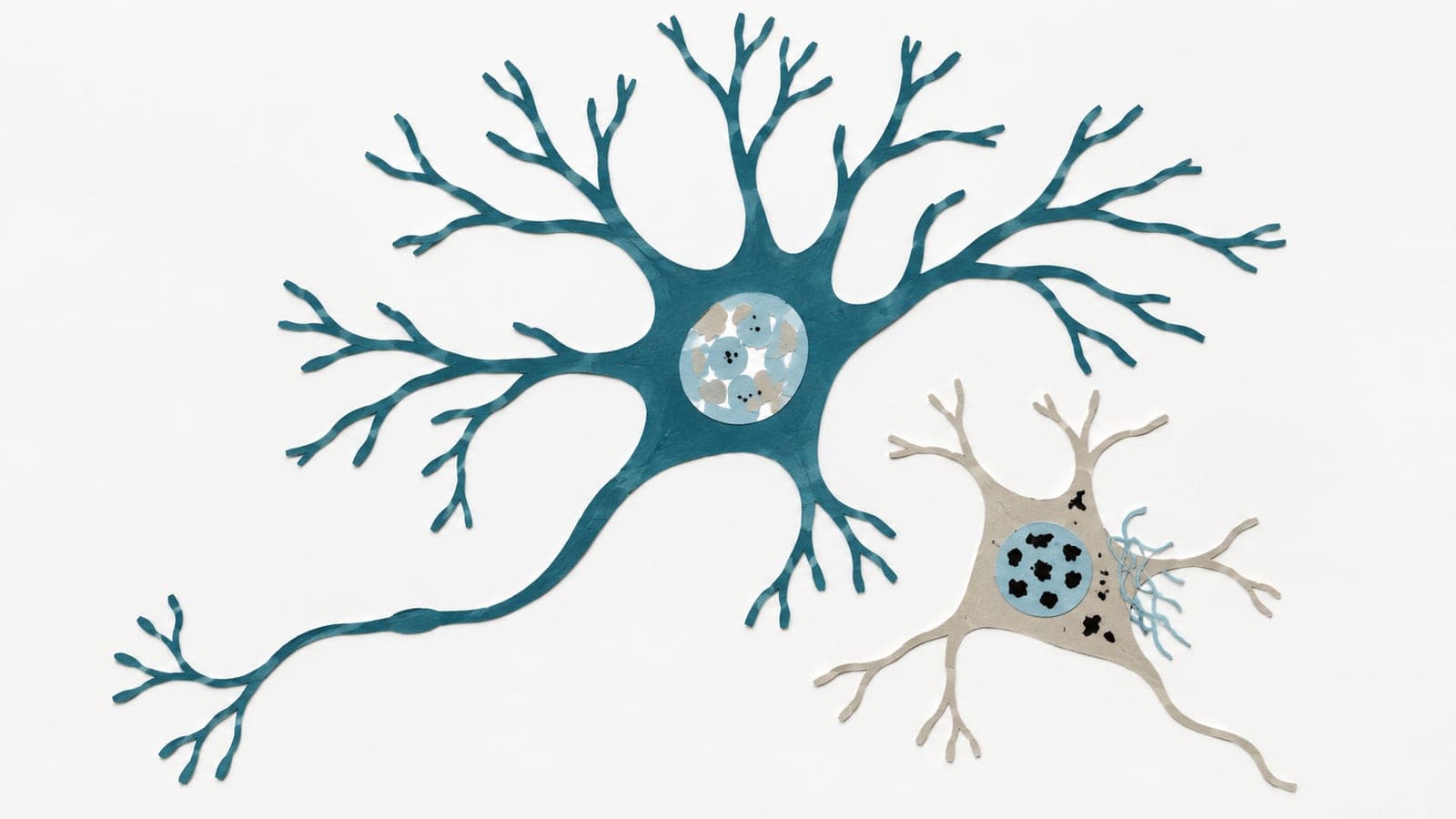
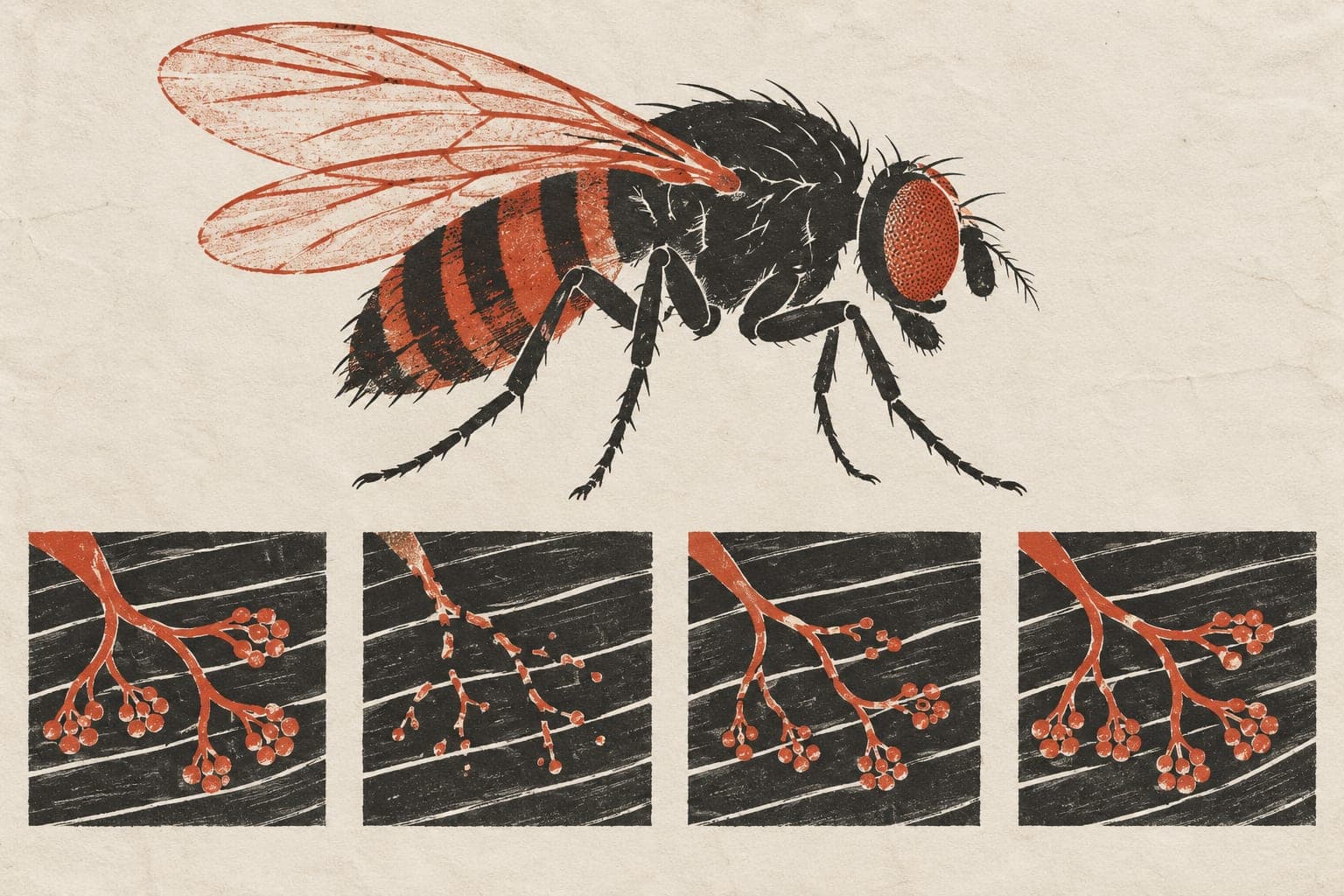
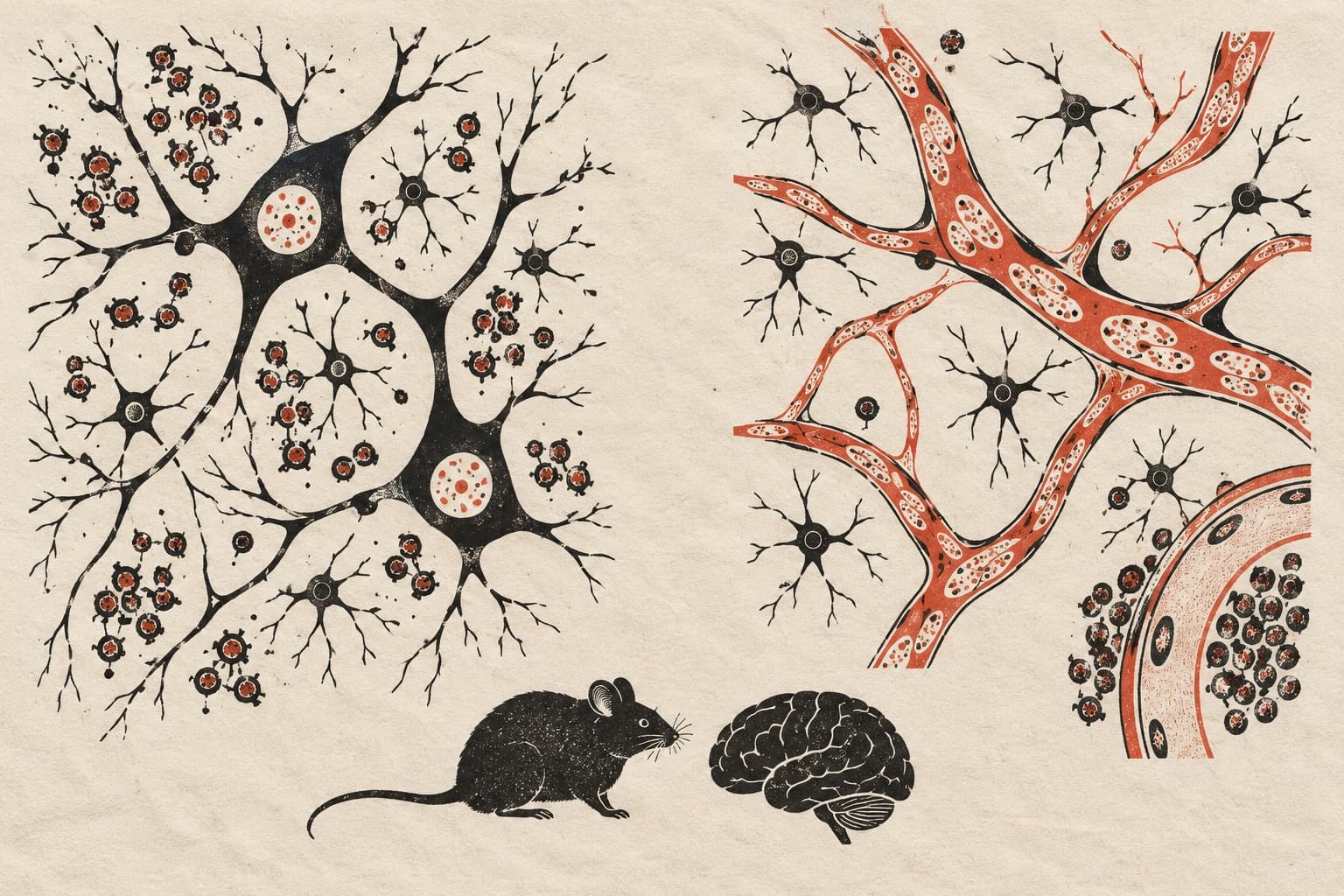
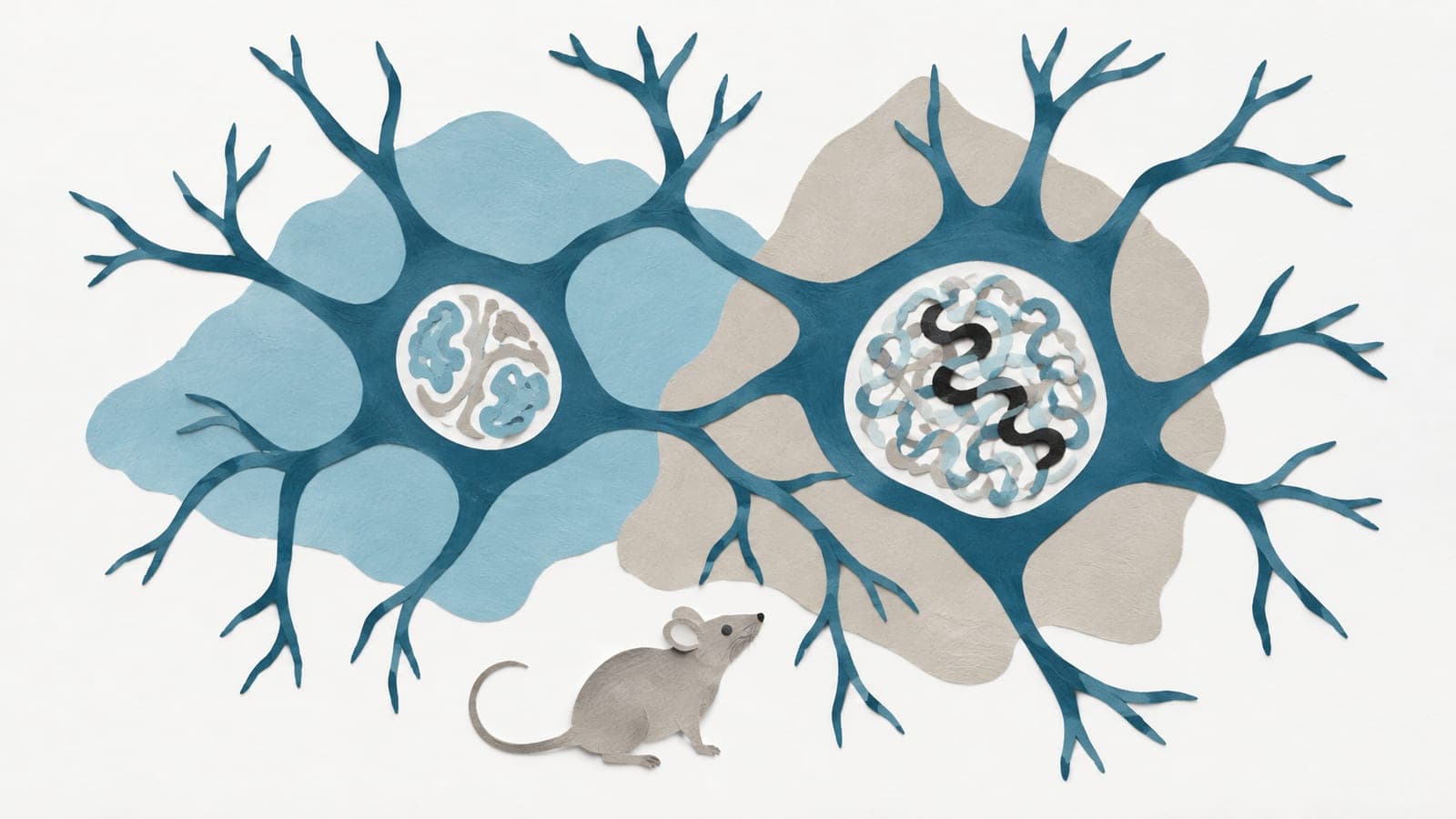
Cockayne syndrome (CS) is a disorder characterized by neurodegeneration and a segmental progeroid phenotype, resulting from mutations in ERCC8/CSA or ERCC6/CSB genes. These genes encode proteins essential for the DNA repair pathway known as transcription-coupled nucleotide excision repair (TC-NER). To further investigate the biological pathways associated with this phenotype, we analyzed transcriptome datasets specific to CS. We conducted RNA-seq on the Csa-/- mouse model at three different age timepoints, and re-analyzed 8 microarray- or RNA-seq based CS transcriptomes present in Gene Expression Omnibus that contained appropriate isogenic controls. We identified differentially expressed genes in each dataset, which were subsequently used for pathway enrichment analysis. Our findings revealed that gene expression of CCL2 and VCAN was altered in the majority of the CS transcriptomes analyzed. Over-representation enrichment analyses of human CS transcriptomes revealed significant changes in genes related to the MAPK, ERK1/2, PI3K-Akt pathways, alongside pathways related to neuronal processes and extracellular matrix metabolism. Additionally, gene-set enrichment analysis of nervous tissue CS datasets highlighted terms related to inflammation and synapse biology. These pathways and processes may contribute to the neurological dysfunction and overall phenotype of CS, presenting promising avenues for future research into the etiology and potential treatments for this aging-related disorder.
The paper
Universidade Federal de Ouro Preto
DNA Repair, 22 Jun 2025