Exacerbation of neuronal senescence after spinal cord injury: Role of the macrophage-derived transforming growth factor-β1-SMAD2 signaling axis
Abstract
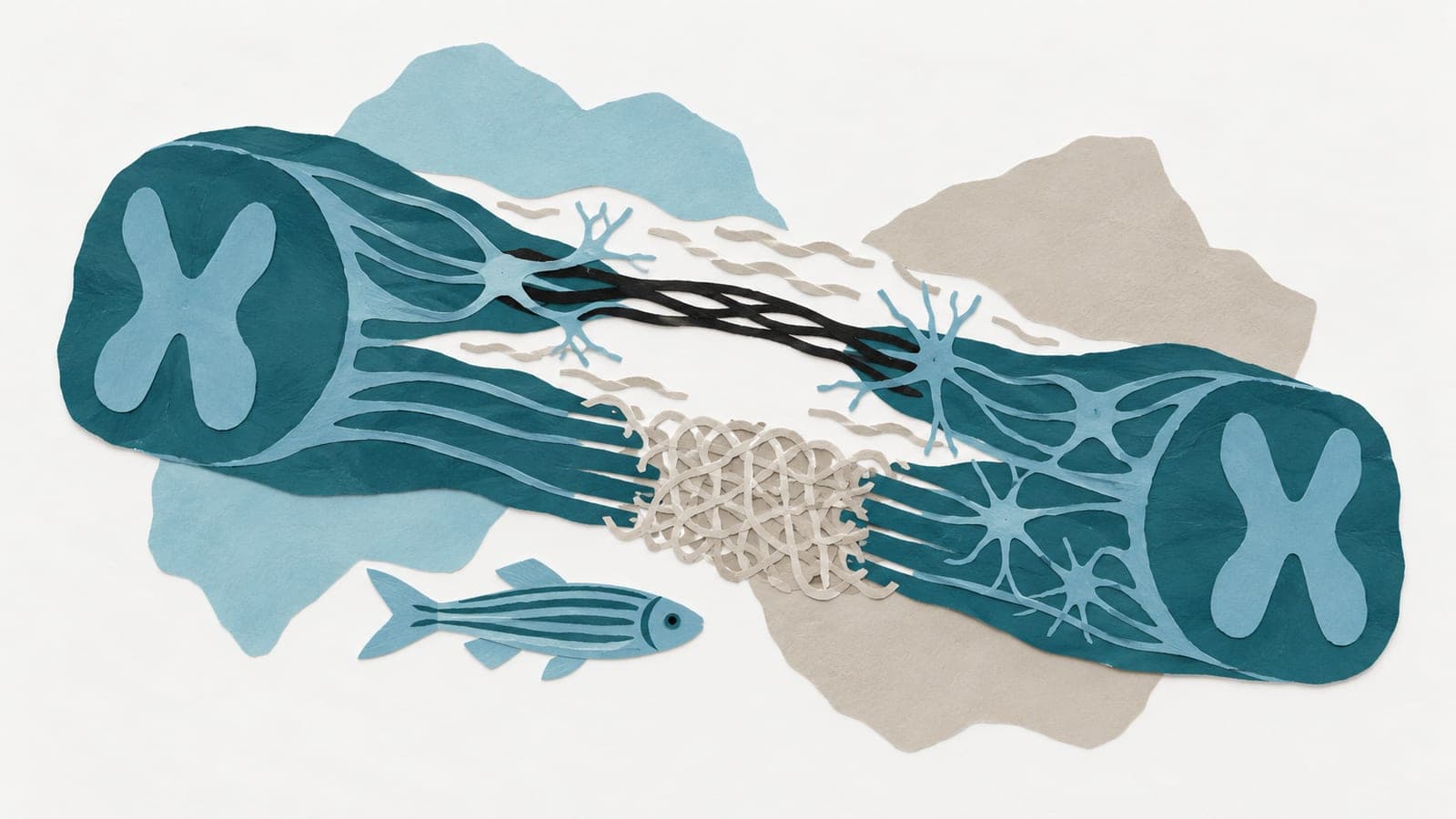
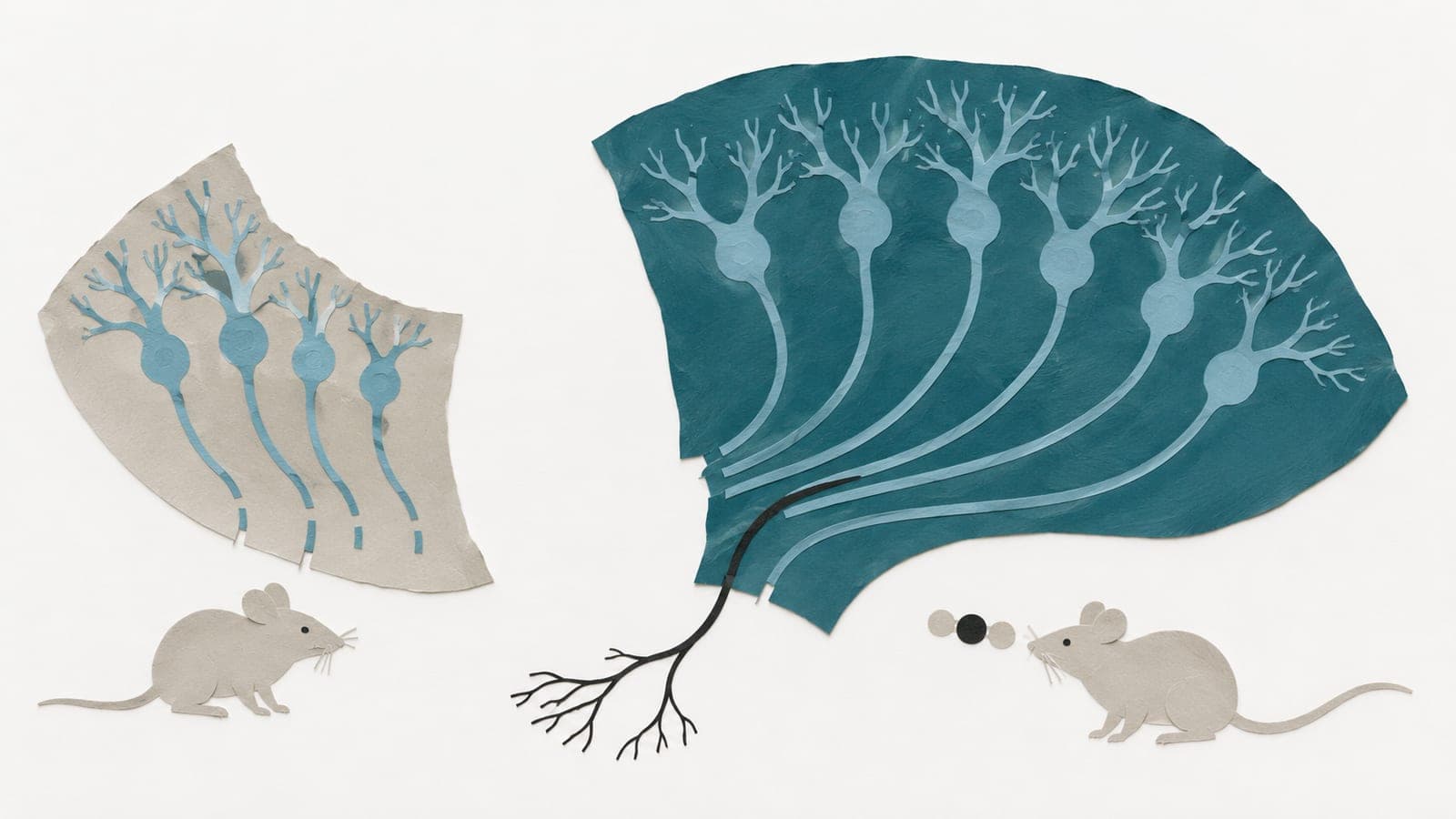
Neuronal degeneration and inflammation are hallmark features of spinal cord injury that severely hinder functional recovery. As key regulators of the post-injury microenvironment, macrophages can promote either tissue repair or exacerbate damage. Among macrophage secreted factors, transforming growth factor-beta 1 has emerged as a critical mediator of pathological changes. In this study, we show the pivotal role of macrophage-derived transforming growth factor-beta 1 in driving neuronal senescence and impairing functional recovery after spinal cord injury. In a mouse spinal cord injury model, transforming growth factor-beta 1 levels were significantly increased at the injury site, accompanied by increased mothers against decapentaplegic homolog 2 (SMAD2) phosphorylation and upregulation of neuronal senescence markers such as p16INK4a and β-galactosidase activity. Treatment with LY-364947, a SMAD2 phosphorylation inhibitor, markedly reduced the number of senescent neurons, mitigated tissue degeneration, and improved motor function recovery. Additionally, macrophage depletion using clodronate liposomes lowered transforming growth factor-beta 1 levels at the injury site and attenuated neuronal senescence. These findings highlight the transforming growth factor-beta 1–SMAD2 signaling axis as a potential therapeutic target to reduce neuronal senescence and enhance functional recovery following spinal cord injury.
The paper
Tianjin Medical University General Hospital; Shandong University
Neural Regeneration Research, 19 Jun 2025