The role of age differences in neural representations for memory performance
Abstract
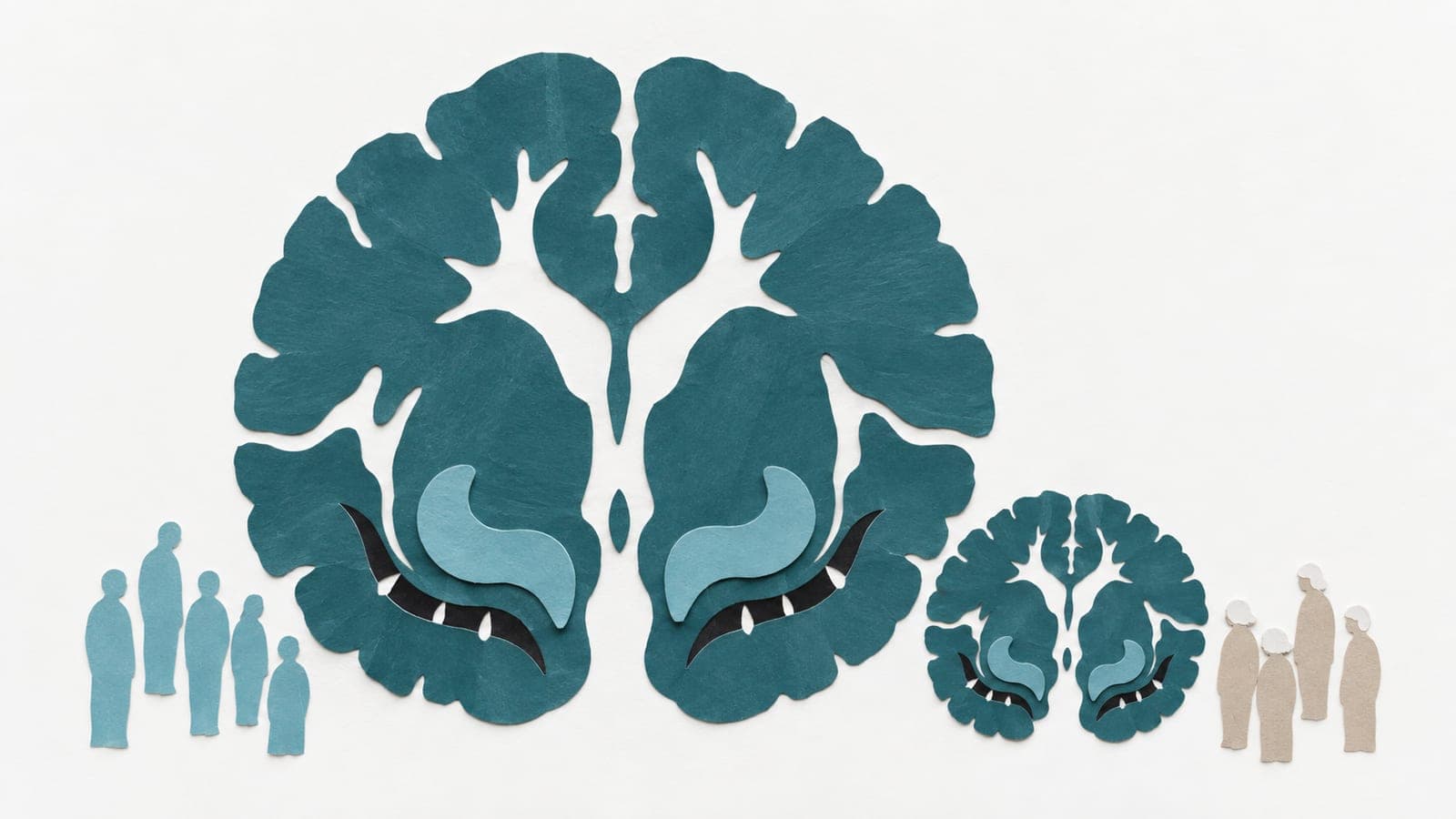
The specificity with which information is reflected in neural activity is reduced in older adults compared with younger adults, a phenomenon termed 'age-related neural dedifferentiation'. Accumulating evidence indicates the significant role of neural dedifferentiation in episodic memory decline. Based on recent studies implementing functional magnetic resonance imaging (fMRI) and pattern similarity analyses (PSA) in order to investigate neural dedifferentiation in humans, we conclude that dedifferentiation is a ubiquitous phenomenon in the aging brain. First, age influences neural representations throughout memory processes, however, dedifferentiation during encoding seems particularly relevant for memory performance. Second, dedifferentiation spans multiple levels of neural representation: items, categories, and functional networks. Finally, while most work features the interindividual relationship of neural distinctiveness and memory performance, here, we emphasize how age might influence the intraindividual distinctiveness-memory relationship.
The paper
Humboldt-Universität zu Berlin; Max Planck Institute for Human Development
Neuroscience and Biobehavioral Reviews, 13 Jun 2025