Brain distinguishes sights and sounds using different regions
In 46 people aged 19 to 79, distinguishing similar sounds engaged cortical regions rather than the hippocampus, while older adults showed memory deficits.
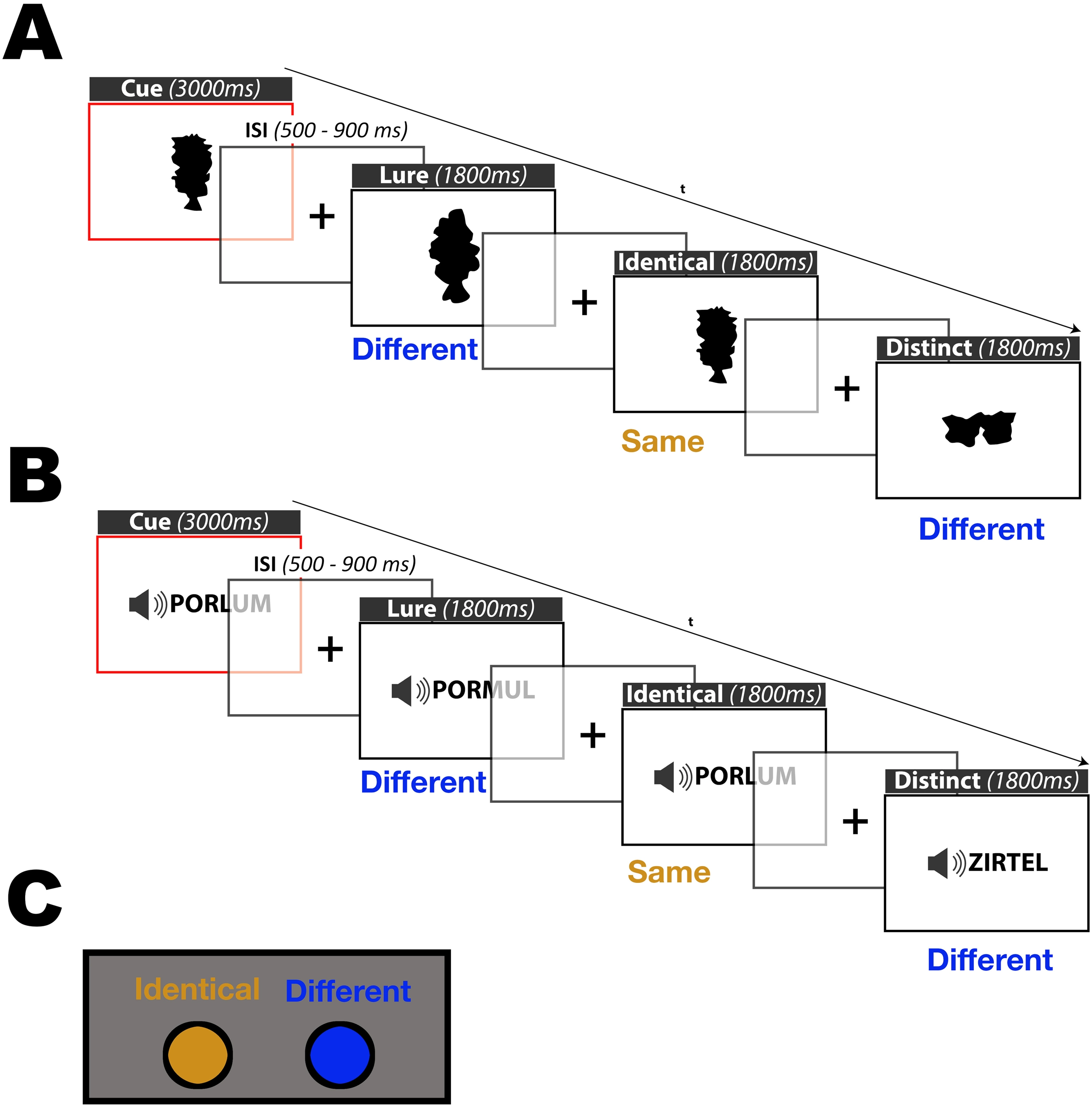
In an observational brain imaging study, researchers tested 46 people aged between 19 and 79 years old, divided into two groups of 23. Participants completed alternating visual and auditory tasks while undergoing functional MRI scans. They were tested on pattern separation, the cognitive ability to distinguish highly similar items from one another, using abstract visual shapes and spoken pseudowords. The researchers found no hippocampal activation during auditory pattern separation. Instead, auditory trials engaged regions in the left cerebral cortex, including the superior temporal gyrus, the inferior frontal gyrus, and the pre-supplementary motor area. Older adults showed deficits in lure discrimination and recognition memory performance compared to younger participants. However, these deficits were not consistently observed at the neurofunctional level.
Why it matters
The ability to distinguish similar memories often declines with age, but how different senses contribute to this decline remains poorly understood. These results bear on whether memory difficulties in older adults stem from altered sensory processing or changing neural circuits in the aging brain.
Caveats
The study was cross-sectional and relied on a small sample of 46 participants. The authors also noted that the observed age differences could partly reflect altered blood flow responses in the brain or sensory declines rather than cognitive differences alone.
The paper
Show 6 more authors
Rudolf Krug, Carolin Reichert, Stefan Borgwardt, Christoph Linnemann, Annette Beatrix Brühl, Undine Lang,University of Basel
Frontiers in Psychiatry, 24 Sep 2026