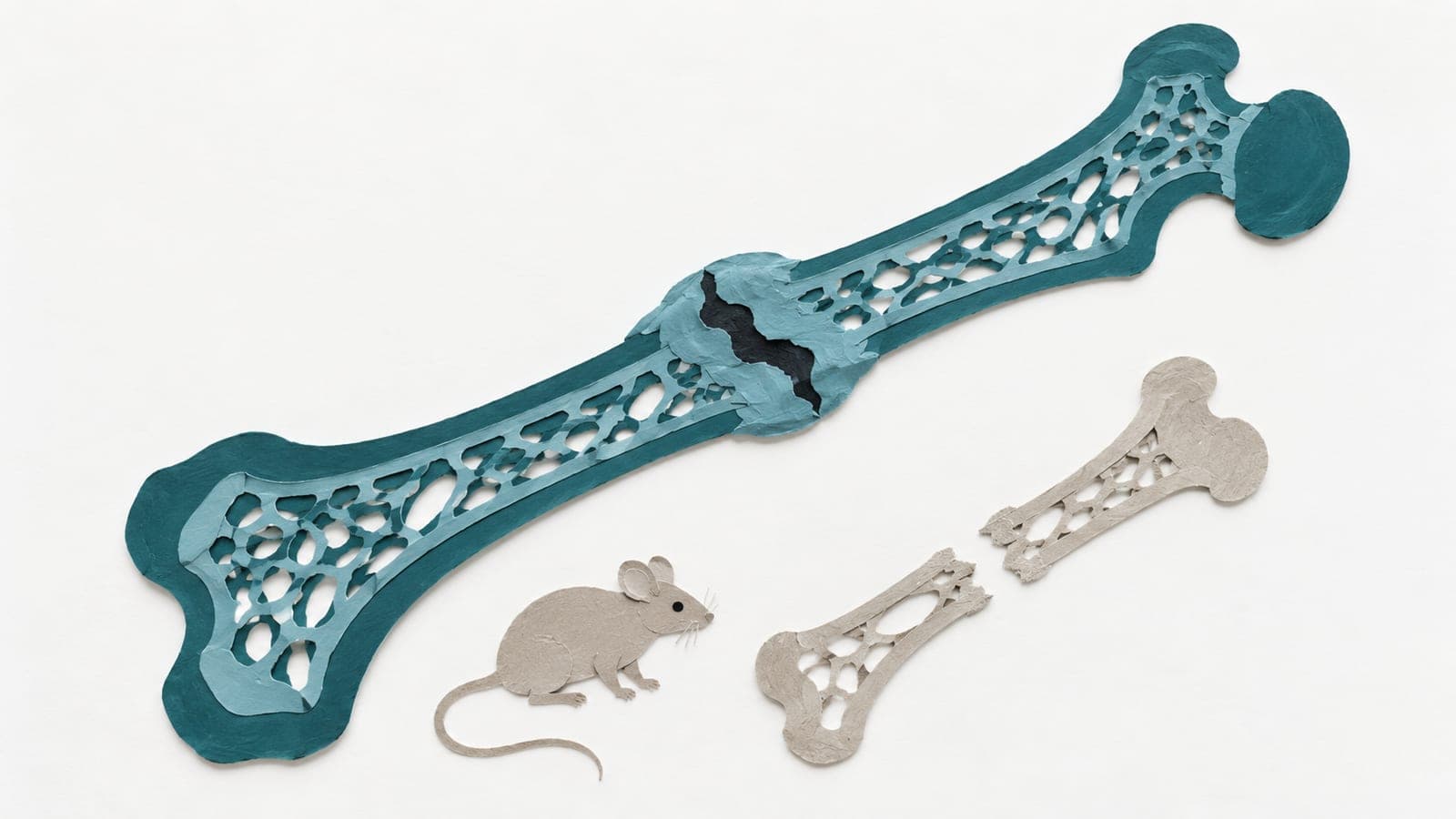
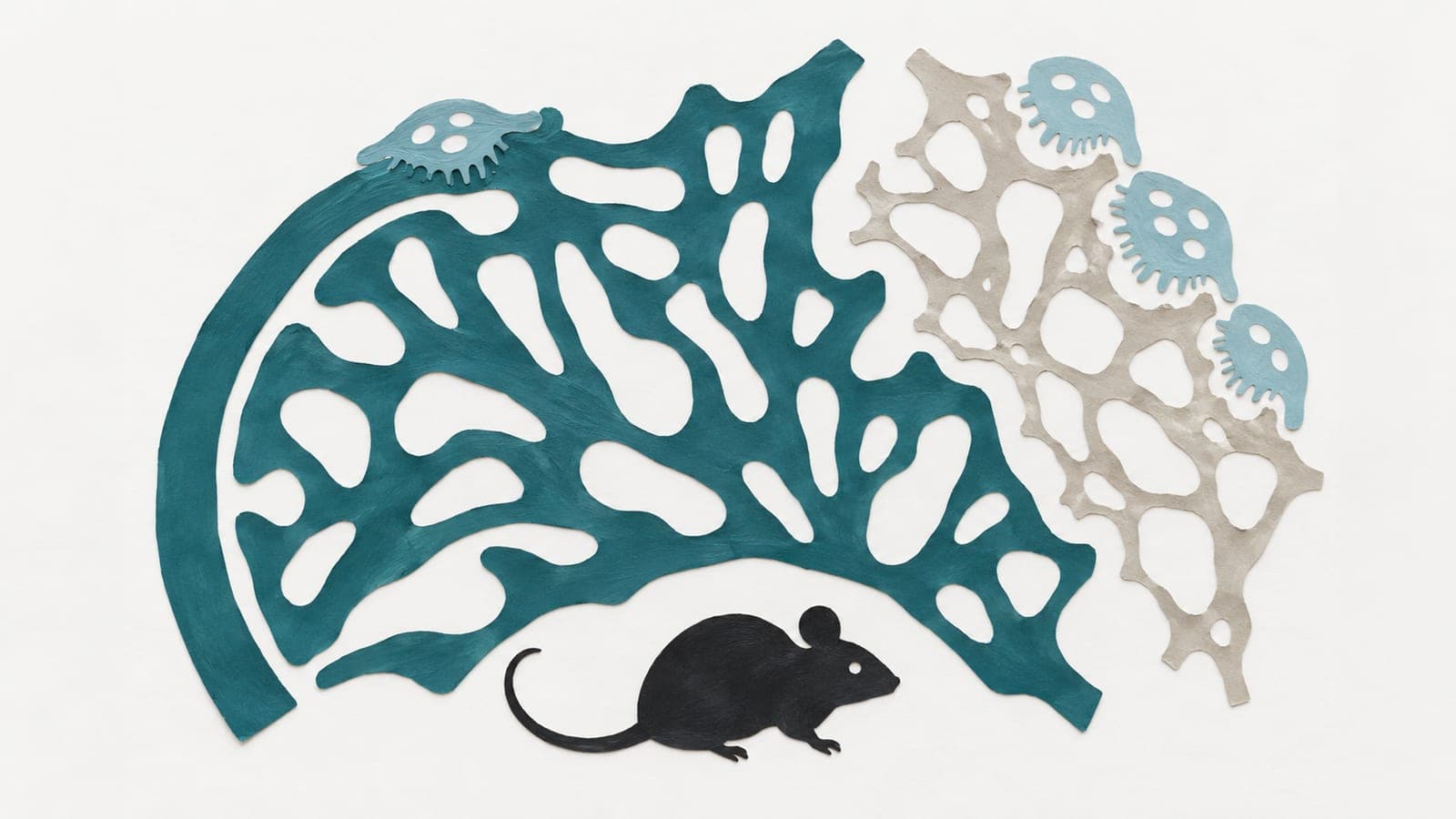
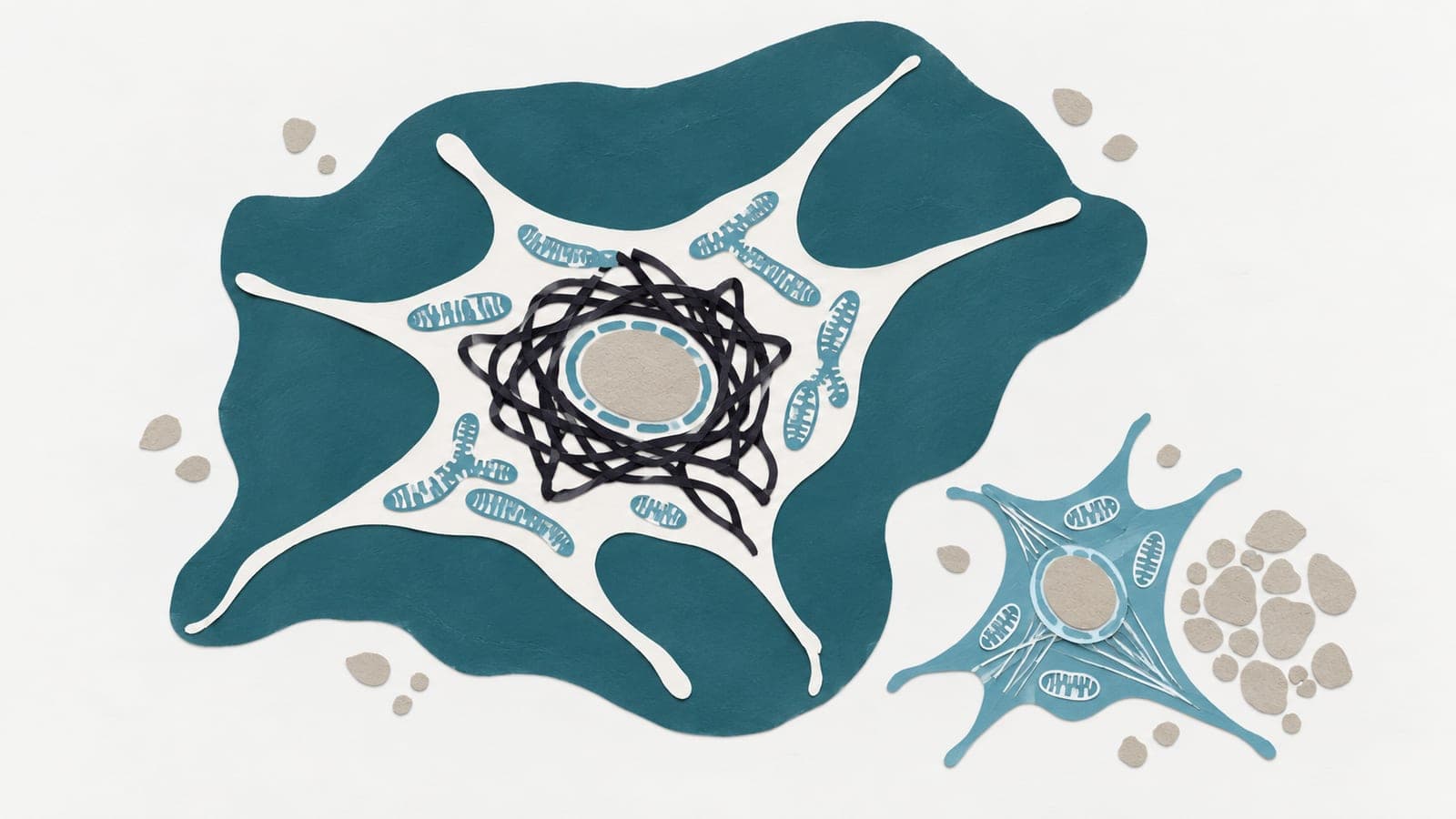
SENP3 alleviates osteoporosis via promoting SIRT3 transcription through the increase of DLX2 stability via SUMO2/3
Abstract
BACKGROUND: Recent studies have indicated a close relationship between SENP3 and osteoporosis. However, the detailed molecular mechanism of SENP3 mediating osteoporosis has not been well studied. The goal of this work was to study the specific mechanism by which SENP3 regulates downstream genes through deSUMOylation and thus affects the progression of osteoporosis. METHODS: Osteogenic differentiation was evaluated through osteogenic marker genes, mineralization, and ALP activity, which were detected by qPCR, western blot, and ALP staining assays. Osteoporosis was assessed in OVX mice assessed using qPCR, Micro-CT, and H&E staining assays. The levels of SENP3, DLX2, and SIRT3 were monitored using qPCR and western blot assays. The SUMOylated modification of DLX2 was evaluated using Co-IP and IP assays. The binding of DLX2 to the SIRT3 promoter was confirmed with ChIP, qPCR, dual-luciferase reporter and western blot assays. RESULTS: SENP3, DLX2, and SIRT3 expressions were decreased in tissues of OVX mice. Mechanically, SENP3 inhibited SUMOylated modification of DLX2 and augmented DLX2 stability. Addition of SENP3 accelerated osteogenic differentiation via regulating DLX2. Moreover, DLX2 bound to SIRT3 promoter and accelerated SIRT3 transcription. DLX2 depletion-induced impeditive effects on osteogenic differentiation were reversed by SIRT3 overexpression. Moreover, DLX2 addition counteracted sh-SENP3-induced inhibitory effect on osteogenic differentiation, which was partially reversed by SIRT3 knockdown. Furthermore, SENP3 alleviated osteoporosis in OVX mice by regulating DLX2/SIRT3 axis. CONCLUSION: Addition of SENP3 accelerated osteogenic differentiation and relieved osteoporosis via increasing SIRT3 transcription by the enhance of DLX2 stability via SUMO2/3.
The paper
Central South University
Cell Biology and Toxicology, 10 Jun 2025