Association between dietary behavior and type 2 diabetes in the older adults aged 65 years and over in 18 longevity areas of China
Abstract
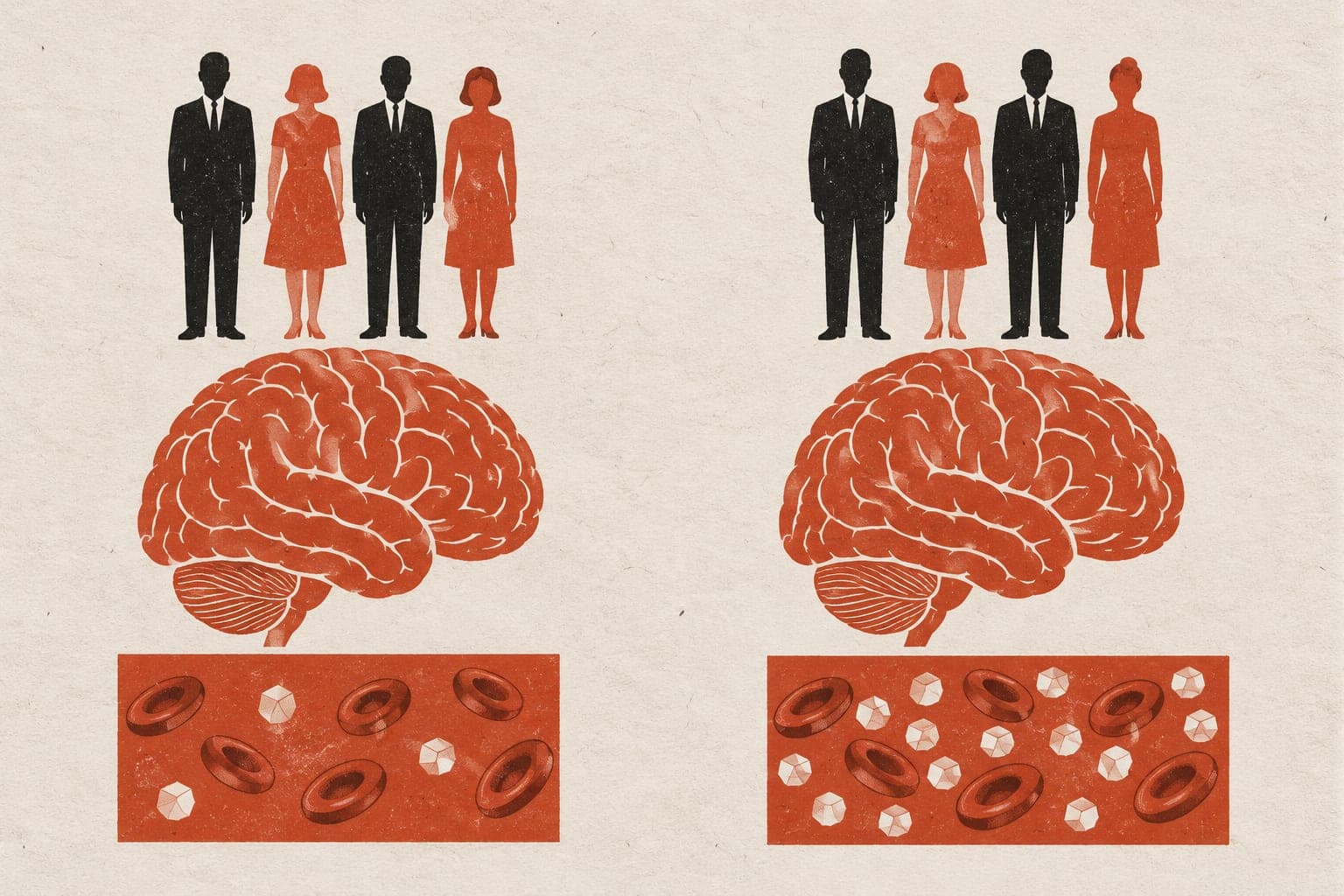
Objective: To explore the impact of plant and animal dietary behaviors on type 2 diabetes mellitus (T2DM) in older adults aged ≥65 in 18 longevity areas of China. Methods: The subjects were 5 223 older adults over 65 years old from the Healthy Ageing and Biomarkers Cohort Study (HABCS) in 18 longevity areas in China. Through a questionnaire survey and physical examination, information about their demographic characteristics, lifestyles, daily activities, self-health status, current diseases, and fasting venous blood were collected. Food Frequency and Questionnaire (FFQ) was used to collect data on food intake frequency. Based on the prior method, the plant-based diet index (PDI) and animal-based diet index (ADI) of 5 223 older adults were calculated. Subjects were divided into three groups (low-level group: PDI<39 or ADI<31, middle-level group: 39≤PDI≤42 or 31≤ADI≤34, high-level group: PDI>42 or ADI>34) by tertiles of PDI and ADI. Multivariate logistic regression was used to analyze the association between PDI and ADI and the risk of T2DM. Results: The average age of 5 223 subjects was (84.8±11.5) years, with the median (Q₁, Q₃) of PDI about 41(38, 43) and the median (Q₁, Q₃) of ADI about 33 (30, 35). The prevalence rate of T2DM was 16.41% (857/5 223). After adjusting for covariates, multivariate logistic regression showed that PDI was negatively associated with T2DM. Compared with the low-level group, the OR (95%CI) for T2DM in the high-level group was 0.83 (0.69-0.99). ADI was positively associated with T2DM, and compared with the low-level group, the OR (95%CI) for T2DM in the high-level group was 1.28 (1.06-1.55). For every one-point increase in PDI and ADI, the risk of T2DM decreased by 2% and increased by 3%, respectively, with the OR (95%CI) of 0.98 (0.96-1.00) and 1.03 (1.01-1.06), respectively. Conclusion: In Chinese older adults ≥65 years in 18 longevity areas, higher adherence to the plant-based behavior may be negatively associated with the risk of T2DM, while higher adherence to the animal-based behavior may be positively associated with the risk of T2DM.
The paper
Chinese Center For Disease Control and Prevention
Zhonghua Yu Fang Yi Xue Za Zhi [Chinese Journal of Preventive Medicine], 6 May 2025
doi.org/10.3760/cma.j.cn112150-20241231-01064PubMed 40374347