Hippocampal and prefrontal GABA and glutamate concentration contribute to component processes of working memory in aging
Abstract
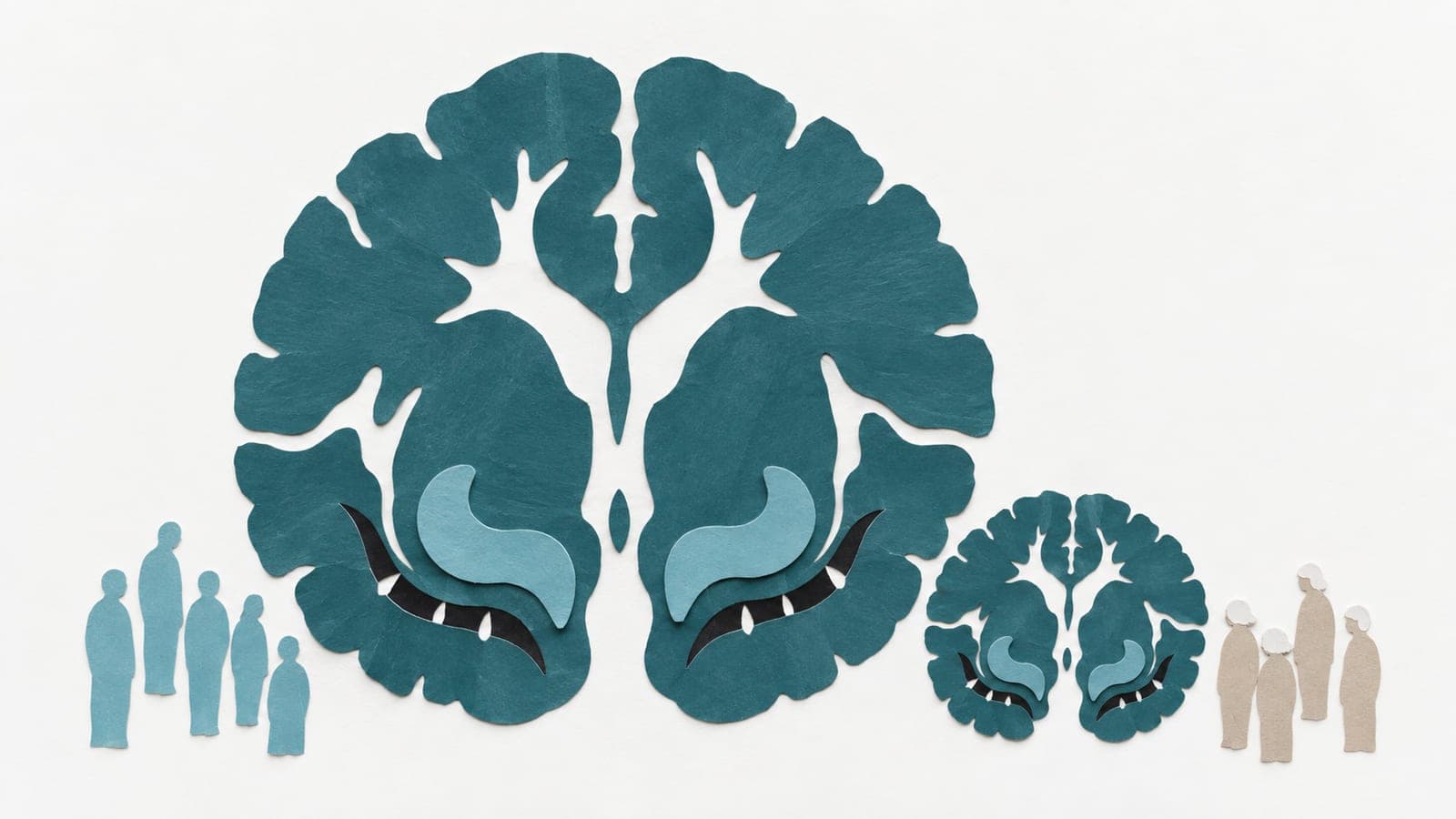
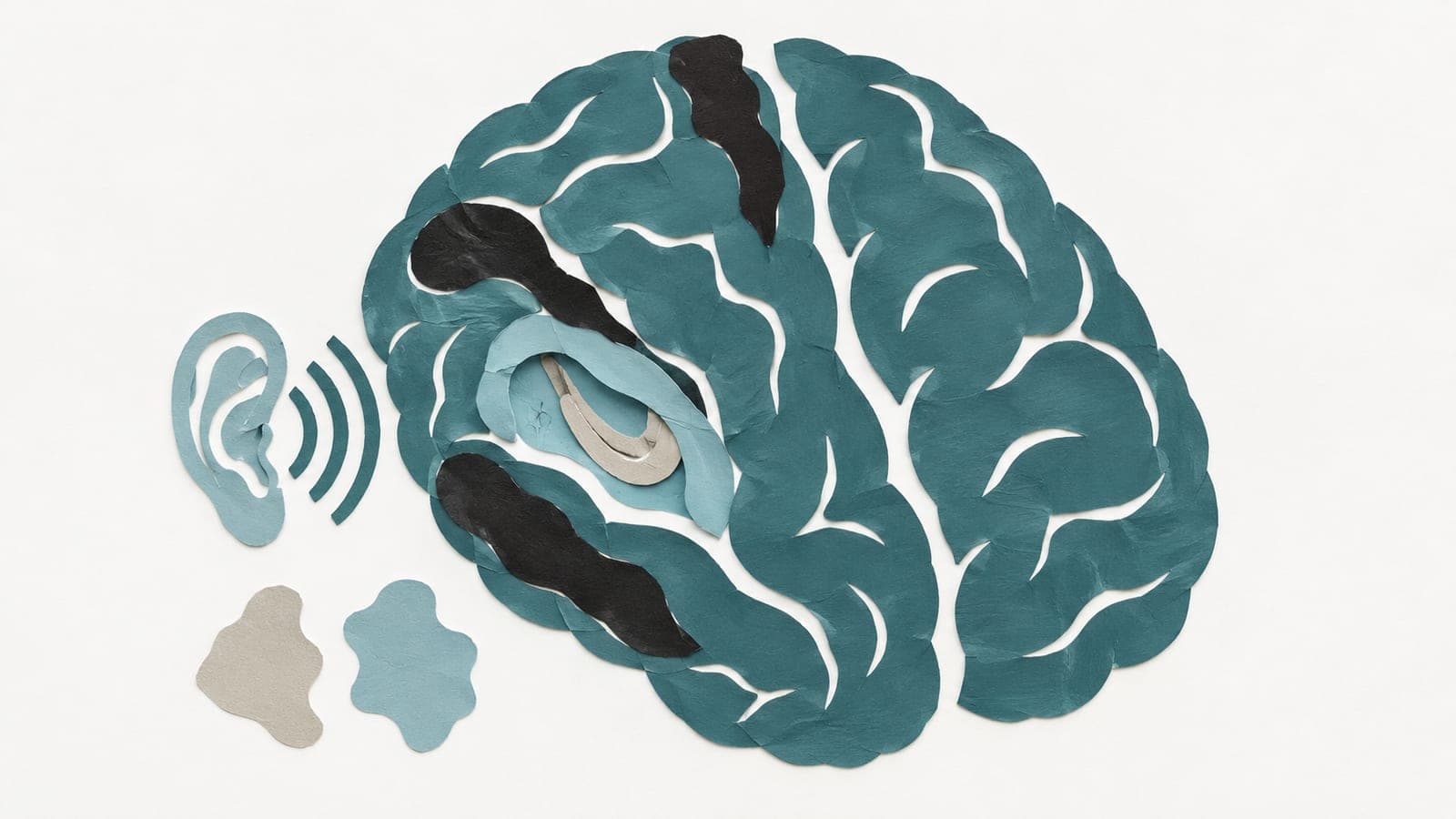
Both animal and human studies indicate that individual variation in the neurometabolites gamma-aminobutyric acid and glutamate is linked to cognitive function. Age-related differences in these neurometabolites could potentially explain lower cognitive ability in older age. Working memory-the capacity to hold a limited amount of information online for a short period-has a central role in cognition, and this ability is also impaired in older individuals. Here, we investigated the relationship between gamma-aminobutyric acid (GABA+) levels and a composite measure of glutamate/glutamine (Glx) in the hippocampus and inferior frontal gyrus (IFG) and how these neurochemical markers relate to working memory in younger and older adults. Across age groups, we found a significant positive association between working memory accuracy and Glx in the IFG, as well as a significant negative association between GABA+ in this region and proactive interference. Age-stratified analyses demonstrated significant positive associations between components of working memory and hippocampal/IFG Glx, as well as a significant negative association between IFG GABA+ and proactive interference in older adults only. These results provide novel evidence for a specific involvement of excitatory Glx and working memory accuracy as well as inhibitory GABA+ for control of proactive interference in working memory, and how these effects are differentially affected by age.
The paper
Örebro University; Stockholm University
Cerebral Cortex, 1 May 2025