Transcriptomic and epigenomic signatures of liver metabolism and insulin sensitivity in aging mice
Abstract
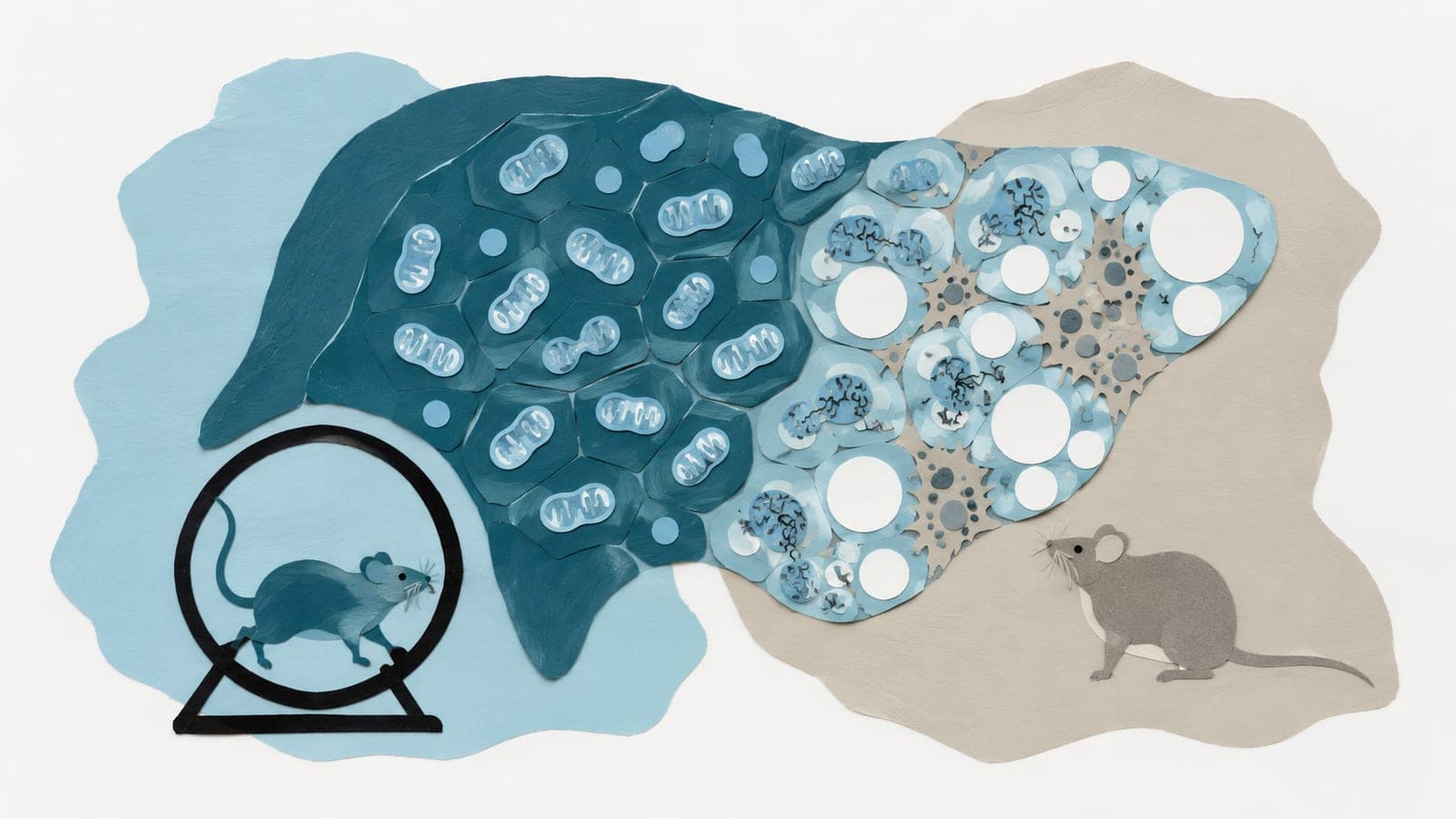
Age-related declines in insulin sensitivity and glucose metabolism contribute to metabolic disease. Despite the liver's central role in glucose homeostasis, a comprehensive phenotypic characterization and concurrent molecular analysis of insulin resistance and metabolic dysfunction in the aging liver is lacking. We characterized hepatic insulin resistance and mitochondrial metabolic defects through metabolic cage, hyperinsulinemic-euglycemic clamp, and tracer studies paired with transcriptomic and DNA methylation analyses in young and aged male mice. Aged mice exhibited benchmark measures of whole body and liver insulin resistance. Aged mice showed lower pyruvate dehydrogenase flux, decreased fatty acid oxidation and citrate synthase fluxes, and increased pyruvate carboxylase flux under insulin-stimulated conditions. Molecular analysis revealed age-related changes in metabolic genes Pck1, Socs3, Tbc1d4, and Enpp1. Unsupervised network analysis identified an intercorrelated phenotype module (ME-Glucose), RNA module, and DNA methylation module. The DNA methylation module was enriched for lipid metabolism pathways and TCF-1 binding, while the RNA module was enriched for MZF-1 binding and regulation by miR-155-5p. Protein-protein interaction network analysis revealed interactions between module genes and canonical metabolic pathways, highlighting genes including Ets1, Ppp1r3b, and Enpp3. This study reveals novel genes underlying age-related hepatic insulin resistance as potential targets for metabolic interventions to promote healthy aging.
The paper
Yale University
Mechanisms of Ageing and Development, 3 May 2025, Open access, accepted manuscript