Defining the hypoxic thresholds that trigger blood-brain barrier disruption: the effect of age
Abstract
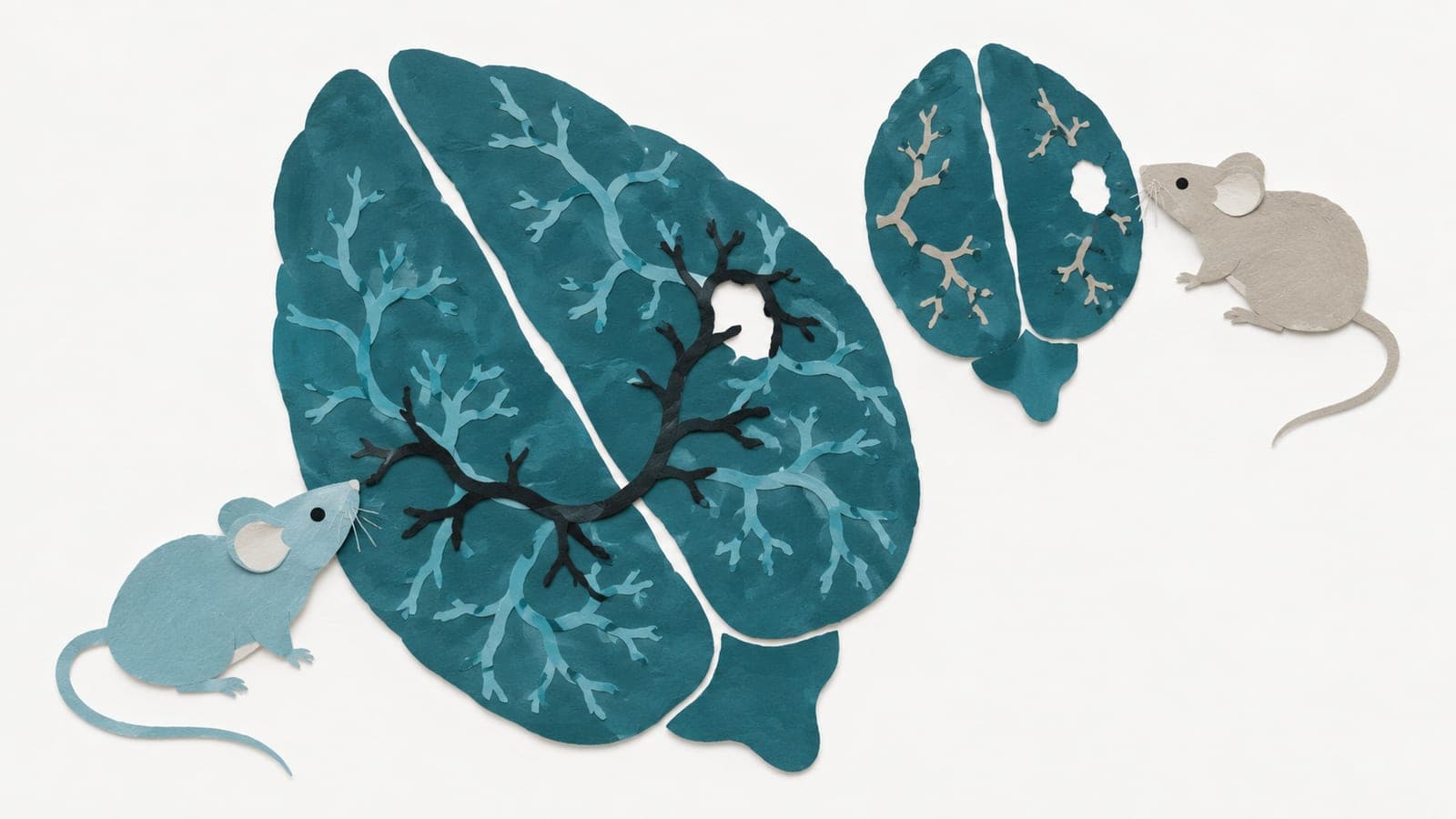
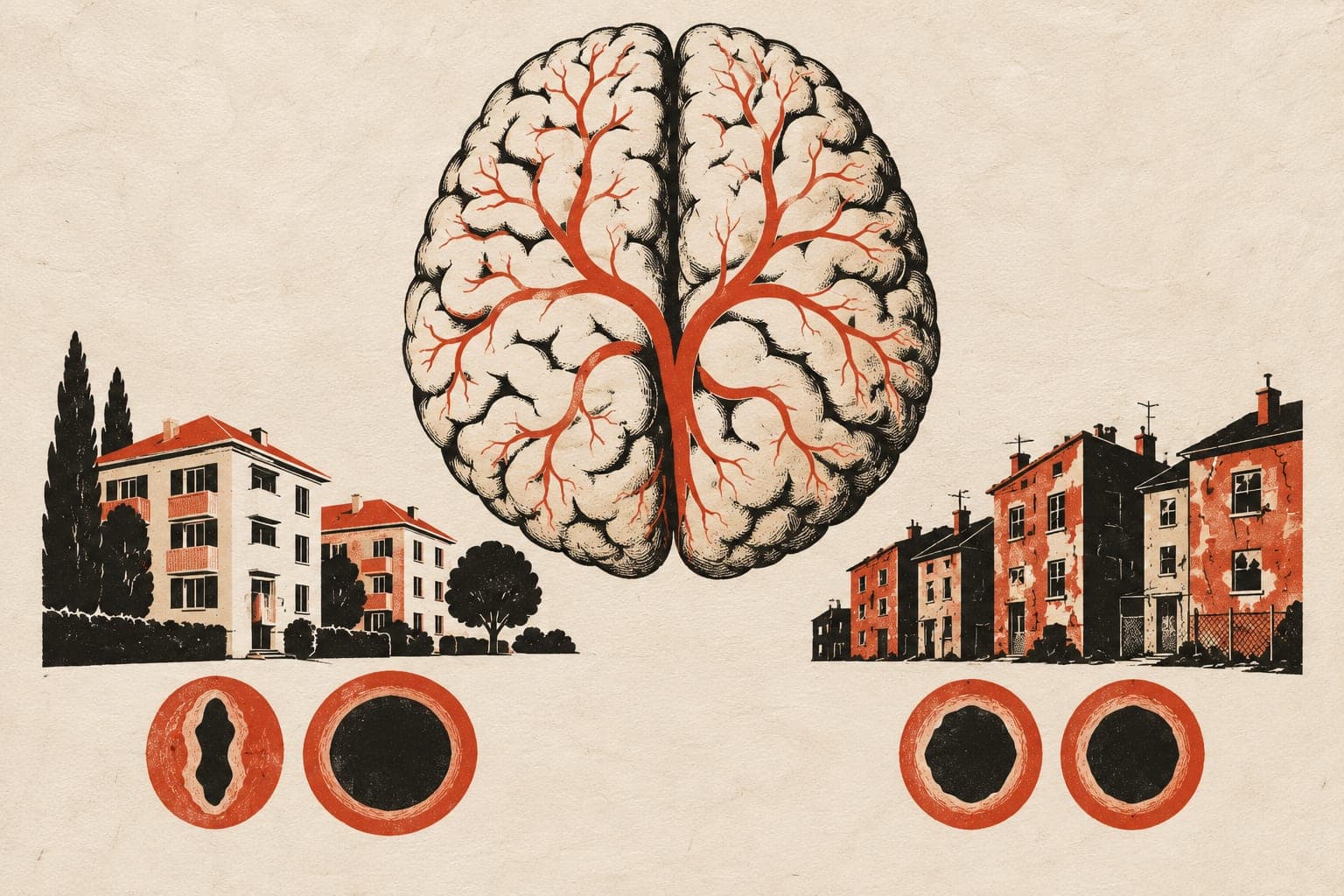
Chronic mild hypoxia (CMH; 8% O₂) triggers transient blood-brain barrier (BBB) disruption, an effect greatly increased with age. As BBB disruption predisposes to neuronal death and cognitive decline, here we defined the hypoxic thresholds that trigger BBB breakdown in young and aged mice, and then defined the age at which hypoxia-induced BBB disruption significantly increases. Dual-immunofluorescence of brain sections demonstrated that the thresholds required to trigger hypoxia-induced BBB disruption (CD31/fibrinogen) and endothelial proliferation (CD31/Ki67) were much lower in aged mice (15% O₂) compared to young (13% O₂). Hypoxia-induced endothelial proliferation was relatively constant across the age range, but advanced age strongly enhanced the degree of BBB disruption (4-6-fold greater in 23 months vs. 2 months old). While the BBB became more vulnerable to hypoxic disruption at 12-15 months, a large step-up also occurred at the surprisingly young age 2-6 months. Our data demonstrates that the aged BBB is far more sensitive to hypoxia-induced BBB disruption than the young and define the hypoxic thresholds that trigger hypoxia-induced BBB disruption in young and aged mice. This information has translational implications for people exposed to hypoxia and for those living with hypoxia-associated conditions such as asthma, emphysema, ischemic heart disease, and apnea.
The paper
San Diego Biomedical Research Institute
Aging, 1 May 2025