MSC-derived exosomes alleviate oxidative stress-induced lysosomal membrane permeabilization damage in degenerated nucleus pulposus cells via promoting m6A demethylation of Nrf2
Abstract
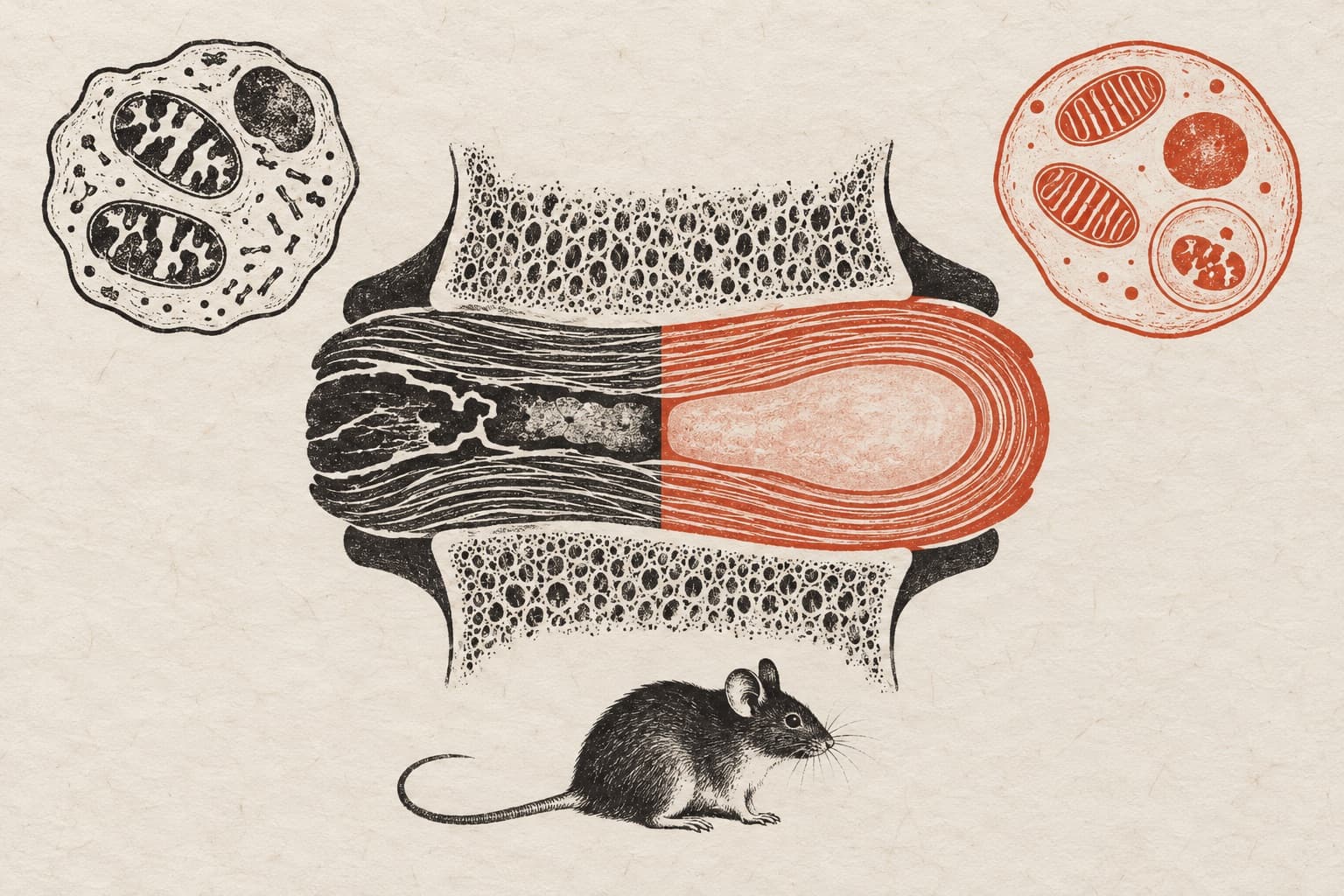
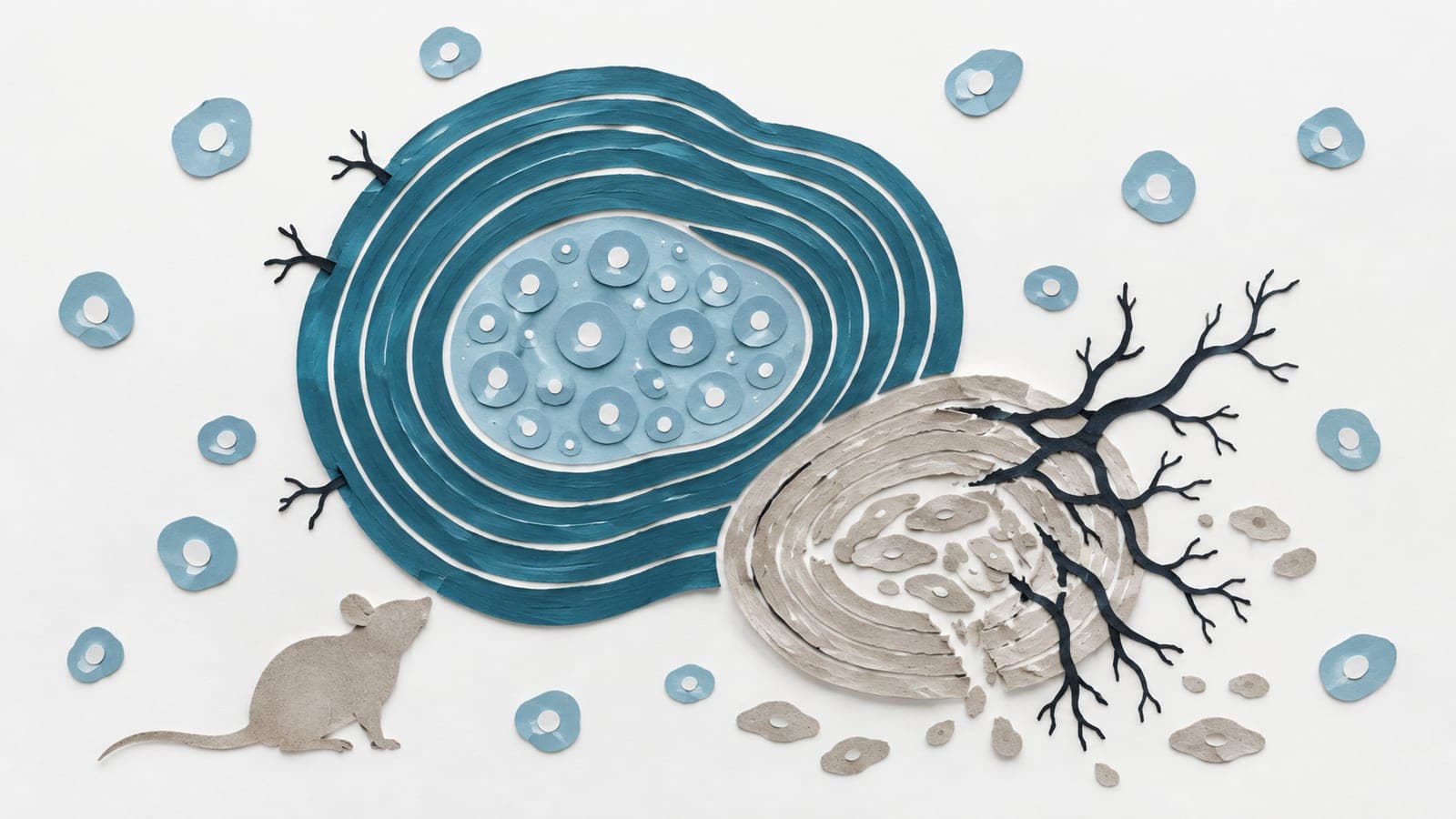
Lysosomal membrane permeabilization (LMP) is a specific feature of lysosomal dysfunction; however, its specific role and underlying mechanisms involved in intervertebral disc degeneration (IVDD) remain elusive. Although the therapeutic potential of mesenchymal stem cell-derived exosomes (MSC-Exo) in ameliorating IVDD has been verified, it remains unclear whether their protective effects are referred to LMP damage. This work revealed that oxidative stress induced-LMP damage directly mediated the pathological process of human IVDD, which aggravated nucleus pulposus cells (NPCs) senescence by disrupting lysosomal autophagy function. Conversely, umbilical cord derived MSC-Exo inhibited LMP damage in degenerated NPCs by activating Nrf2-medaited anti-oxidative stress effects. Specifically, MSC-Exo facilitated H3K27ac modification in the demethylase FTO promoter by promoting histone acetyltransferase activity of p300/CBP, resulting in the enhanced FTO transcription. This process inhibited the elevation of N6-methyladenosine (m6A) modification of Nrf2 in degenerated NPCs, resulting in less recognition of YTHDF2 and enhanced stability of Nrf2 expression. Here, our finding demonstrates oxidative stress induced-LMP damage potentially establishing pathological conditions conducive to the progression of IVDD, and providing epigenetic regulatory targets for MSC-Exo in the treatment of IVDD.
The paper
Affiliated Hospital of Jining Medical University
Free Radical Biology & Medicine, 30 Apr 2025