SERPINF1 knockdown attenuates chondrocyte senescence, hypertrophy, and inflammation in osteoarthritis to offer a potential therapeutic strategy
Abstract
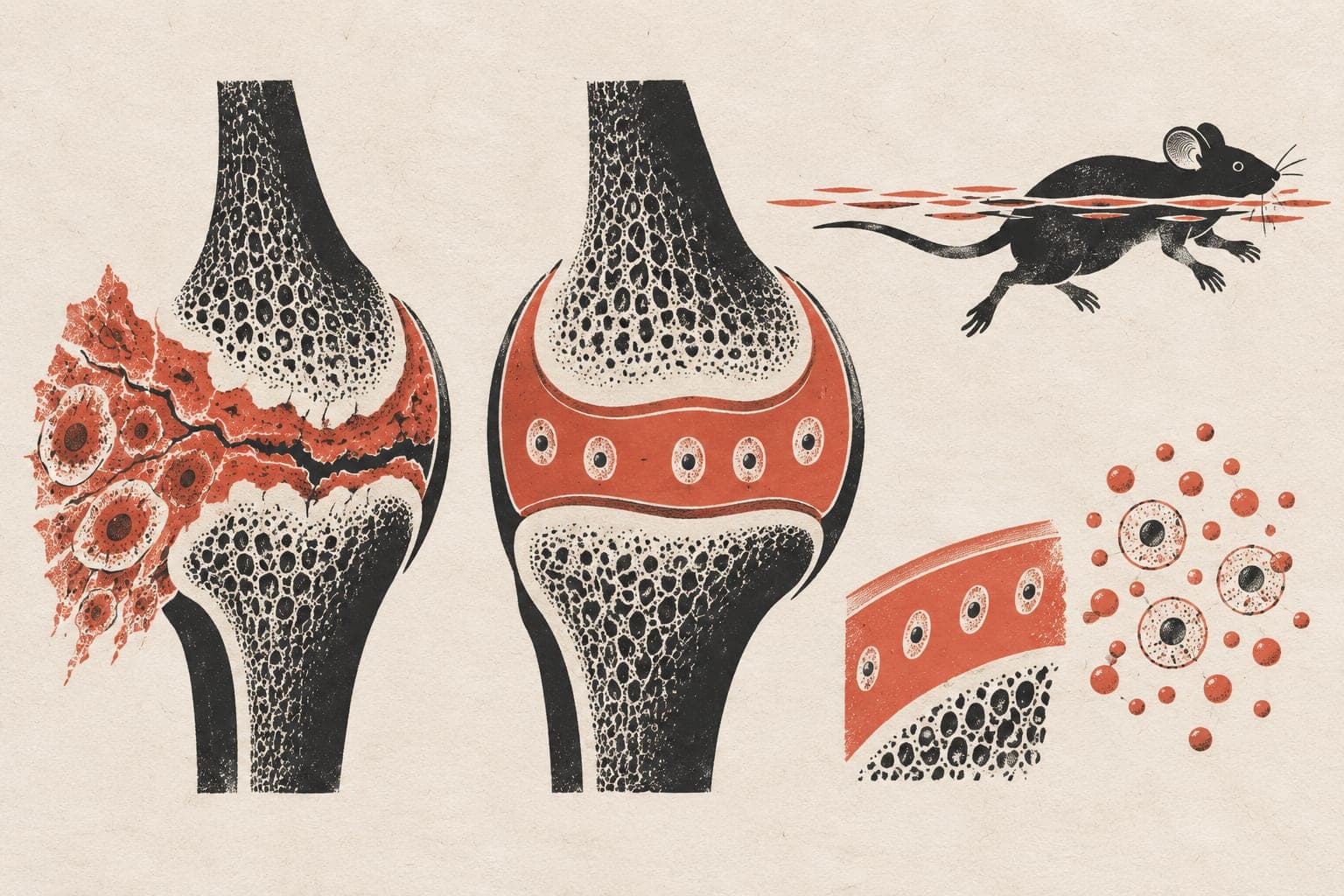
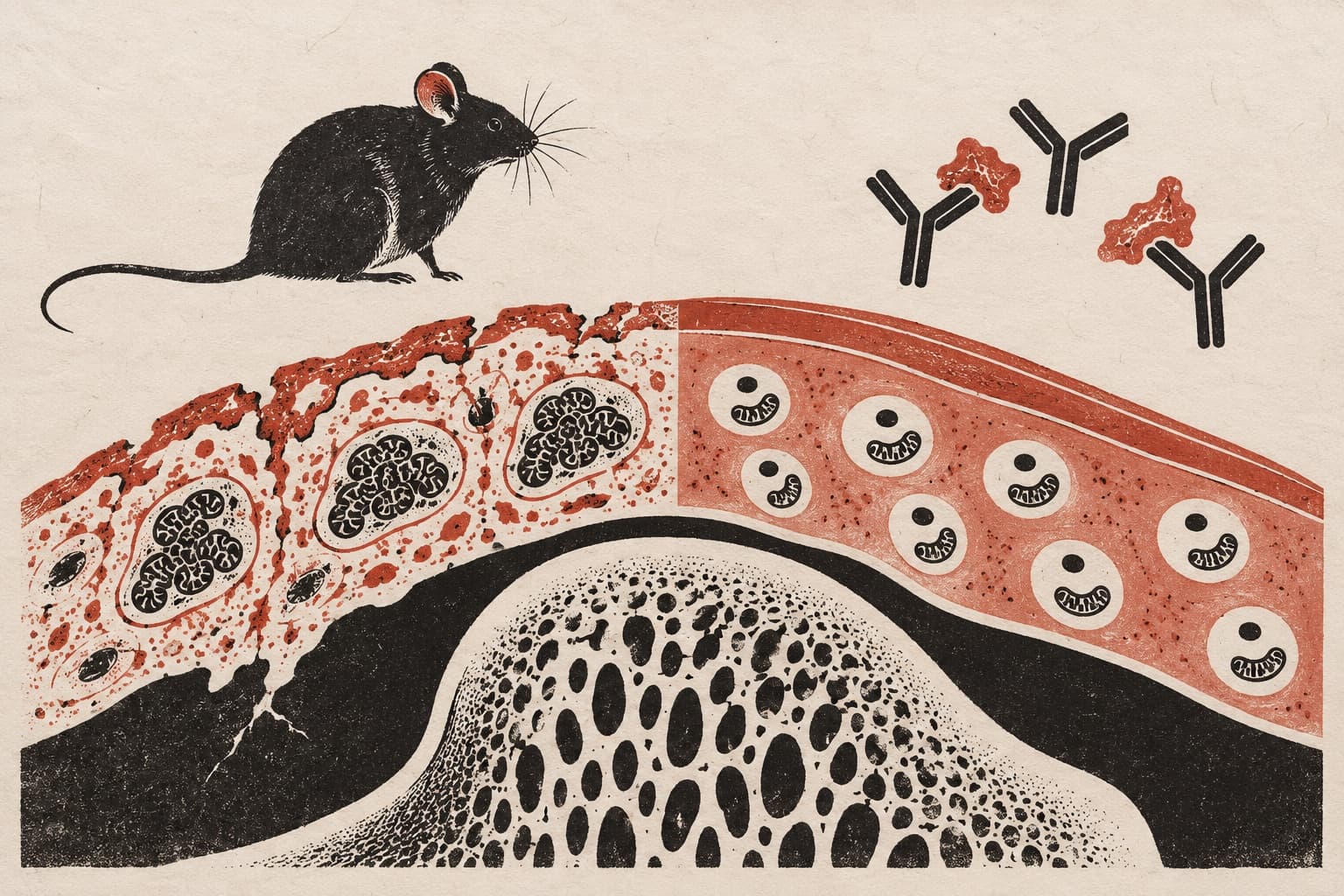
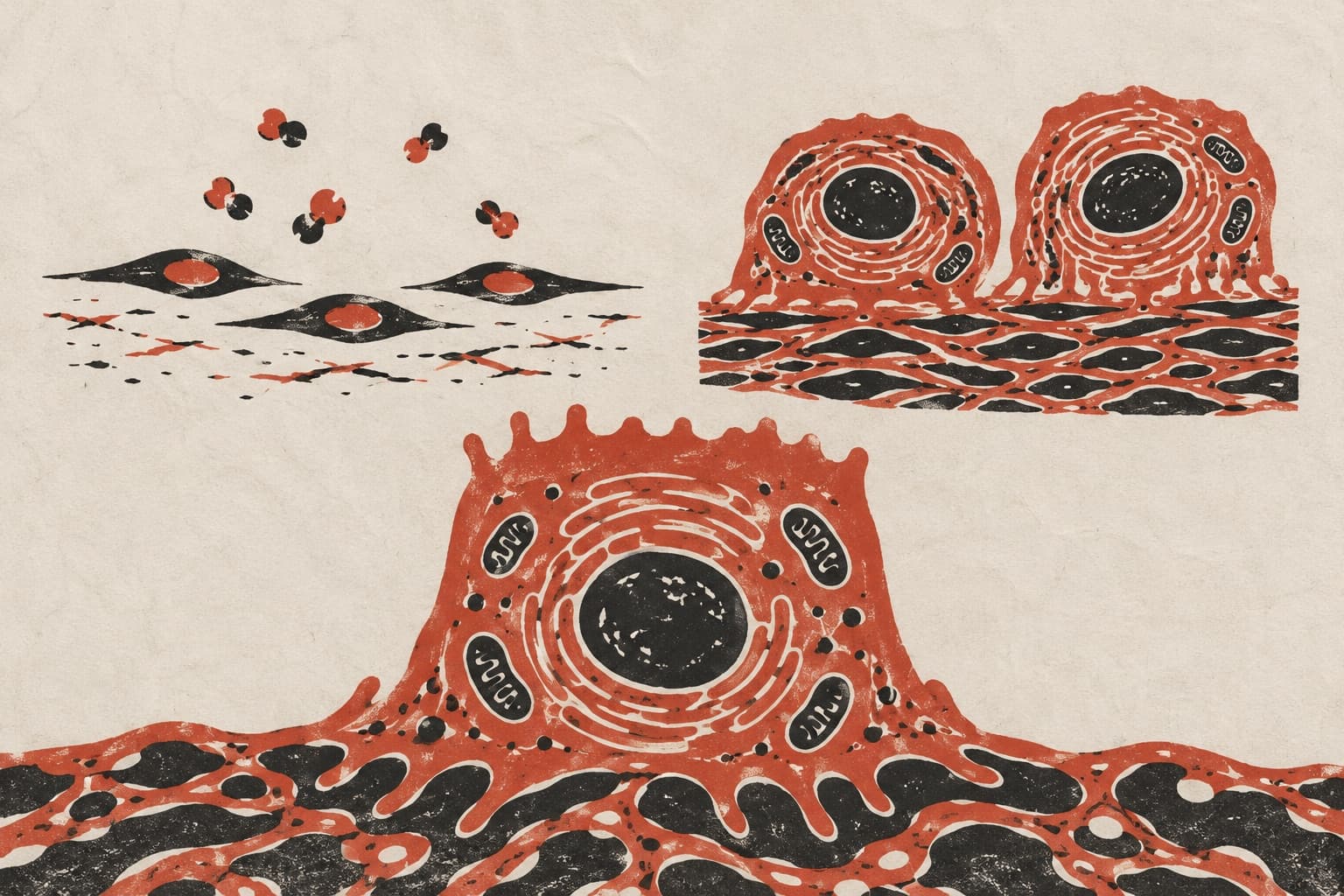
Osteoarthritis (OA) is characterized by cartilage degradation, synovial inflammation, subchondral bone remodeling, and osteophyte formation, leading to chronic pain and impaired mobility. Chondrocyte senescence, inflammation, and hypertrophic differentiation critically contribute to OA progression. Integrated analysis of four GEO datasets identified SERPINF1 as a consistently upregulated gene in both human and animal OA samples. Histopathological and immunohistochemical analyses confirmed increased SERPINF1 in OA cartilage, where chondrocytes showed elevated SERPINF1 protein alongside reduced aggrecan expression. Functional studies revealed that SERPINF1 knockdown in OA chondrocytes diminished senescence markers (p21, p16, p53) while increasing Lamin B1, and reduced levels of pro-inflammatory cytokines (IL-1β, TNF-α, and IL-6). Conversely, overexpression of SERPINF1 in normal chondrocytes induced senescence and increased inflammatory mediator expression, accompanied by altered extracellular matrix metabolism and hypertrophy marker expression. Mechanistic analysis further implicated the TNF-α/NF-κB signaling pathway in mediating these effects. In a destabilization of the medial meniscus (DMM) mouse model, intra-articular SERPINF1 knockdown attenuated cartilage destruction, reduced senescence and inflammatory markers, and restored ECM integrity. Collectively, these findings demonstrate that SERPINF1 promotes OA progression by exacerbating chondrocyte senescence, inflammation, and hypertrophy, suggesting that targeting SERPINF1 may offer a novel therapeutic strategy for OA.
The paper
Central South University; Second Xiangya Hospital of Central South University
Cellular Signalling, 28 Apr 2025