Caloric restriction alters NCOA2 splicing to regulate lipid metabolism in subcutaneous white adipose tissue
Abstract
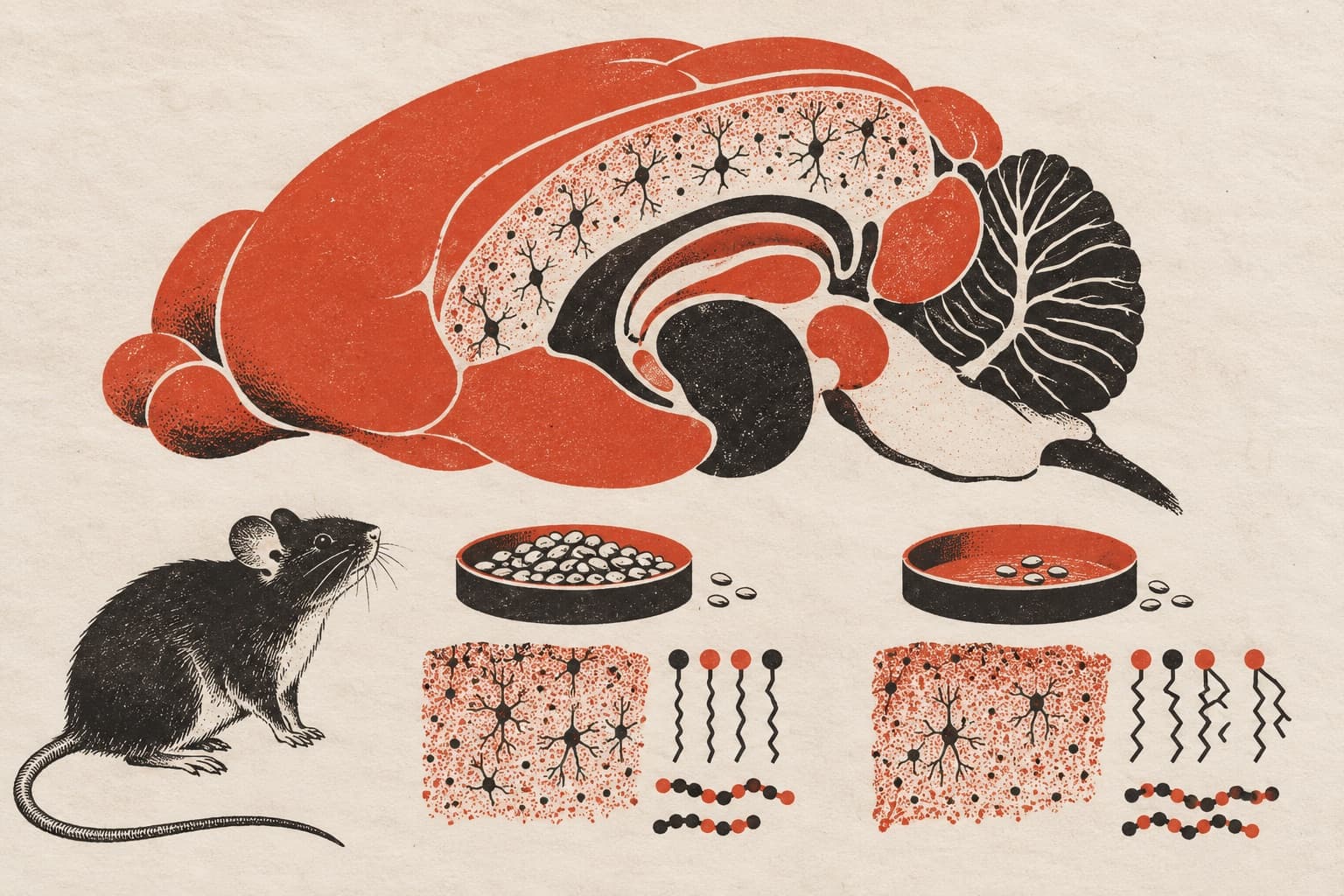
Caloric restriction (CR) promotes longevity and metabolic health by modulating gene expression and cellular processes. However, the role of alternative mRNA splicing in CR-induced metabolic adaptation remains underexplored. In this study, we analyzed RNA sequencing data from the subcutaneous white adipose tissue of CR mice. We identified 6058 differentially expressed genes, with significant upregulation of lipid metabolism pathway genes, such as Elovl6, Fasn, and Srebp1c. We also detected 400 CR-associated alternative splicing events, with the skipped exon and retained intron events predominantly affecting lipid biosynthesis and energy metabolism. Among these events, Ncoa2, a nuclear receptor coactivator involved in lipid metabolism, exhibited increased exon 13 inclusion under CR, favoring the expression of the full-length isoform. Functional assays revealed that full-length NCOA2 enhanced PPARγ-mediated transcriptional activation, while the truncated Δ-NCOA2 isoform exhibited altered coactivator activity. Δ-NCOA2 was found to lack an LXXL motif critical for nuclear receptor interactions, potentially modifying its function. Taken together, these findings indicate that CR-induced alternative splicing fine-tunes metabolic and transcriptional networks, thereby contributing to lipid homeostasis and energy adaptation. Our study highlights a novel regulatory layer by which CR modulates metabolism through coordinated transcriptional and splicing alterations, offering new insights into the molecular mechanisms underlying the beneficial effects of CR on aging and metabolic health. Further investigations are warranted to determine the tissue-specificity of the CR-induced splicing changes and their potential implications for metabolic disorders and lifespan extension.
The paper
Tokyo University of Science
Biochemical and Biophysical Research Communications, 22 Apr 2025, Open access