Mechanisms by which sevoflurane affects cognitive function in aged marmosets and mice: up-regulation of FKBP5 expression in brain microglia
Abstract
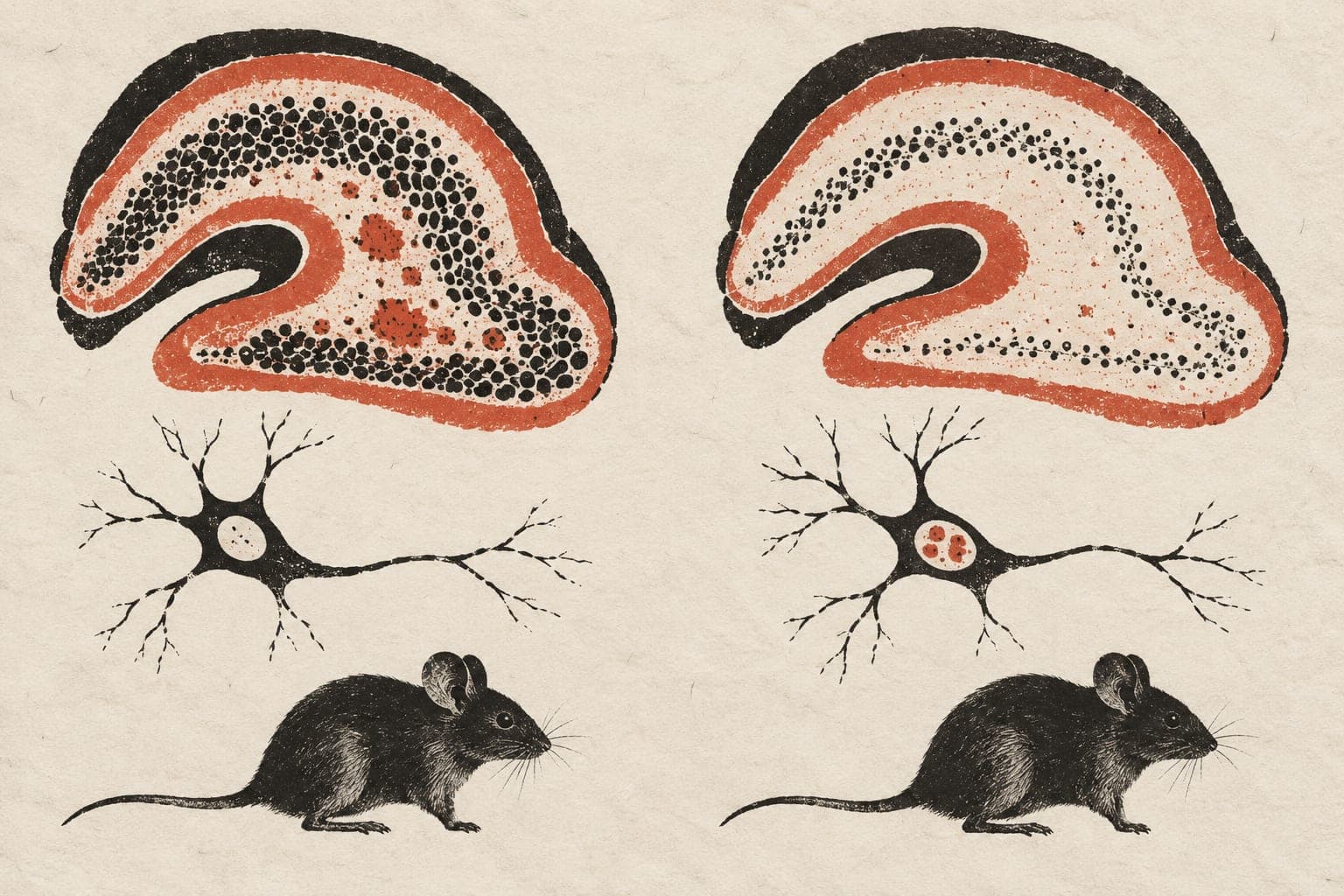
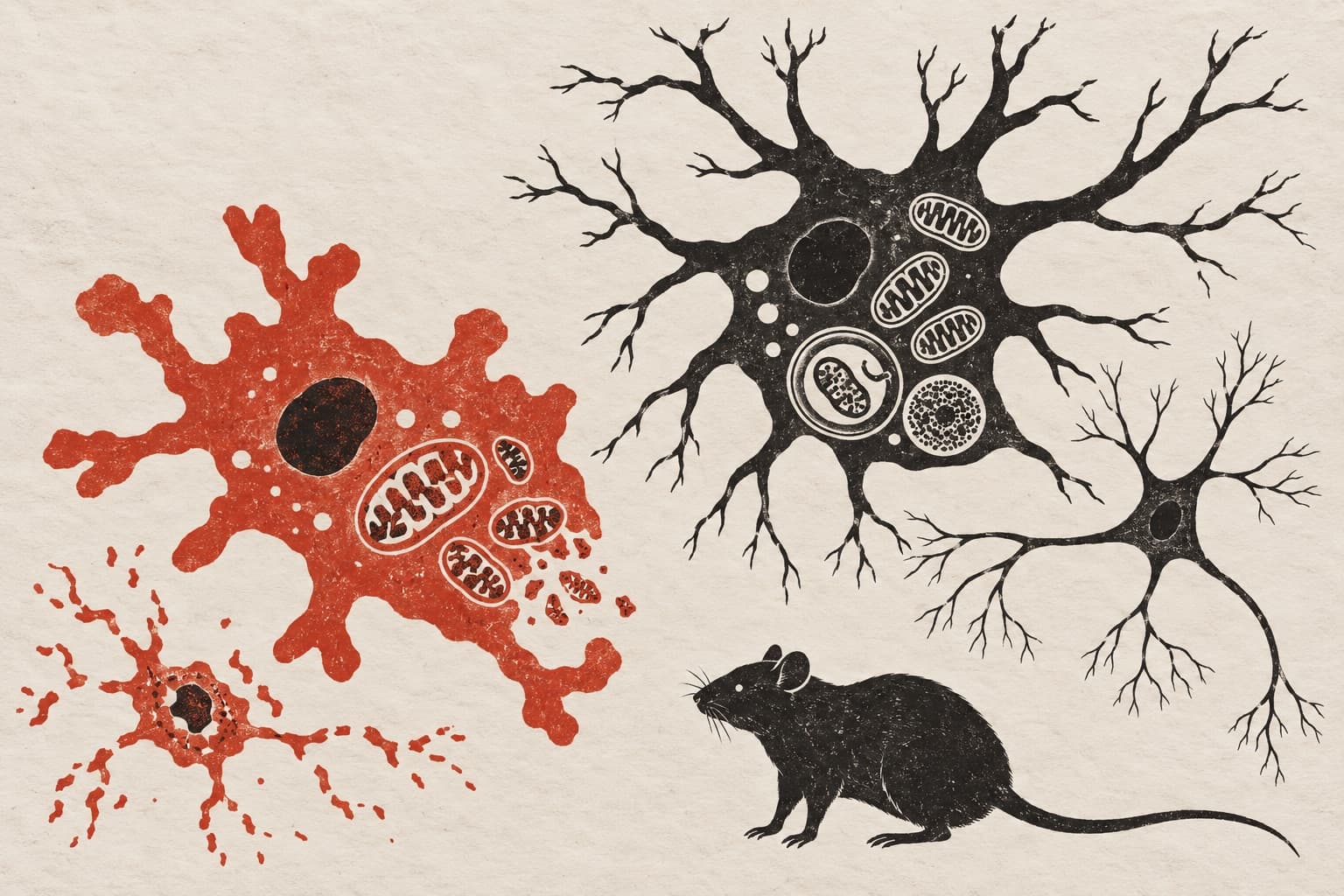
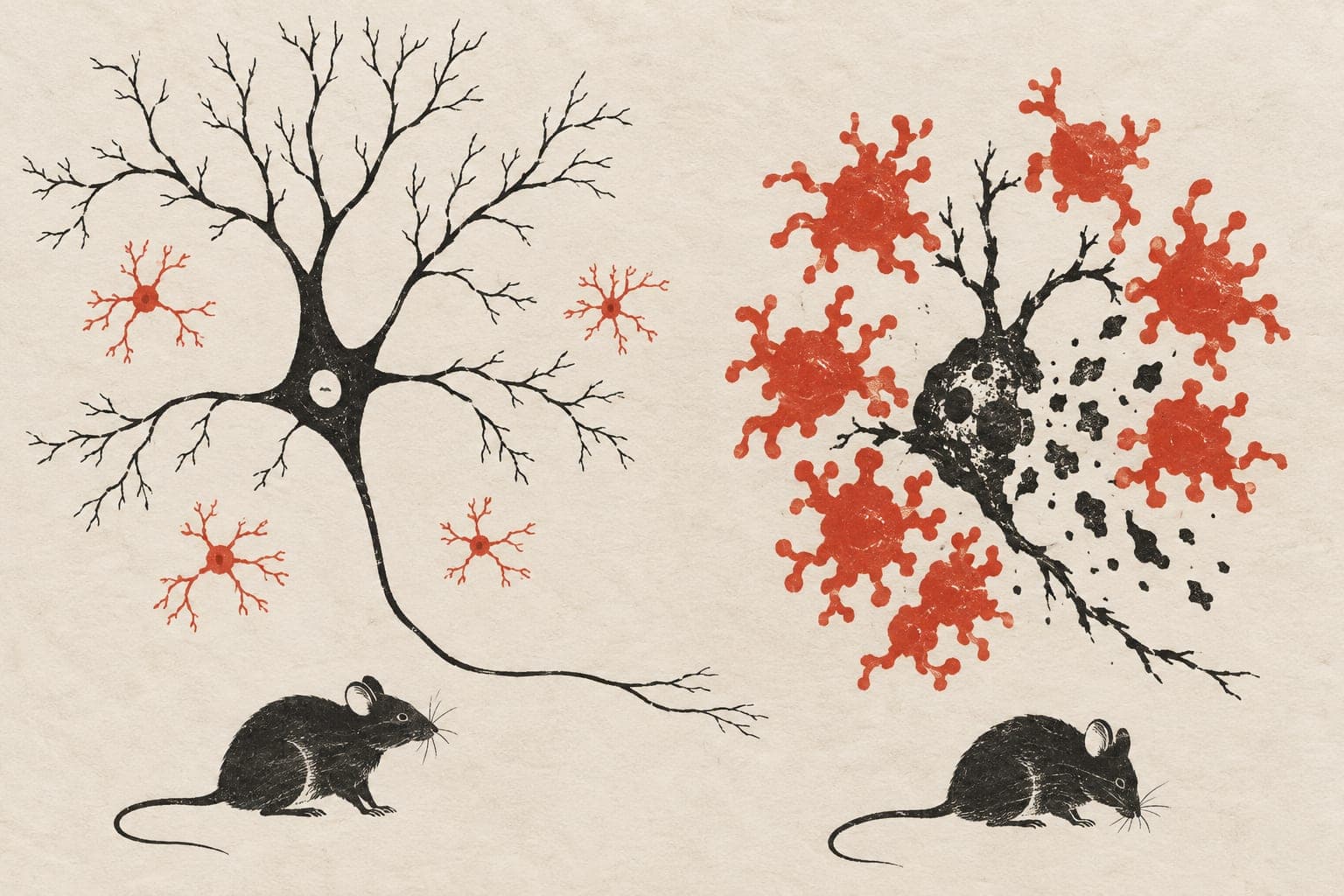
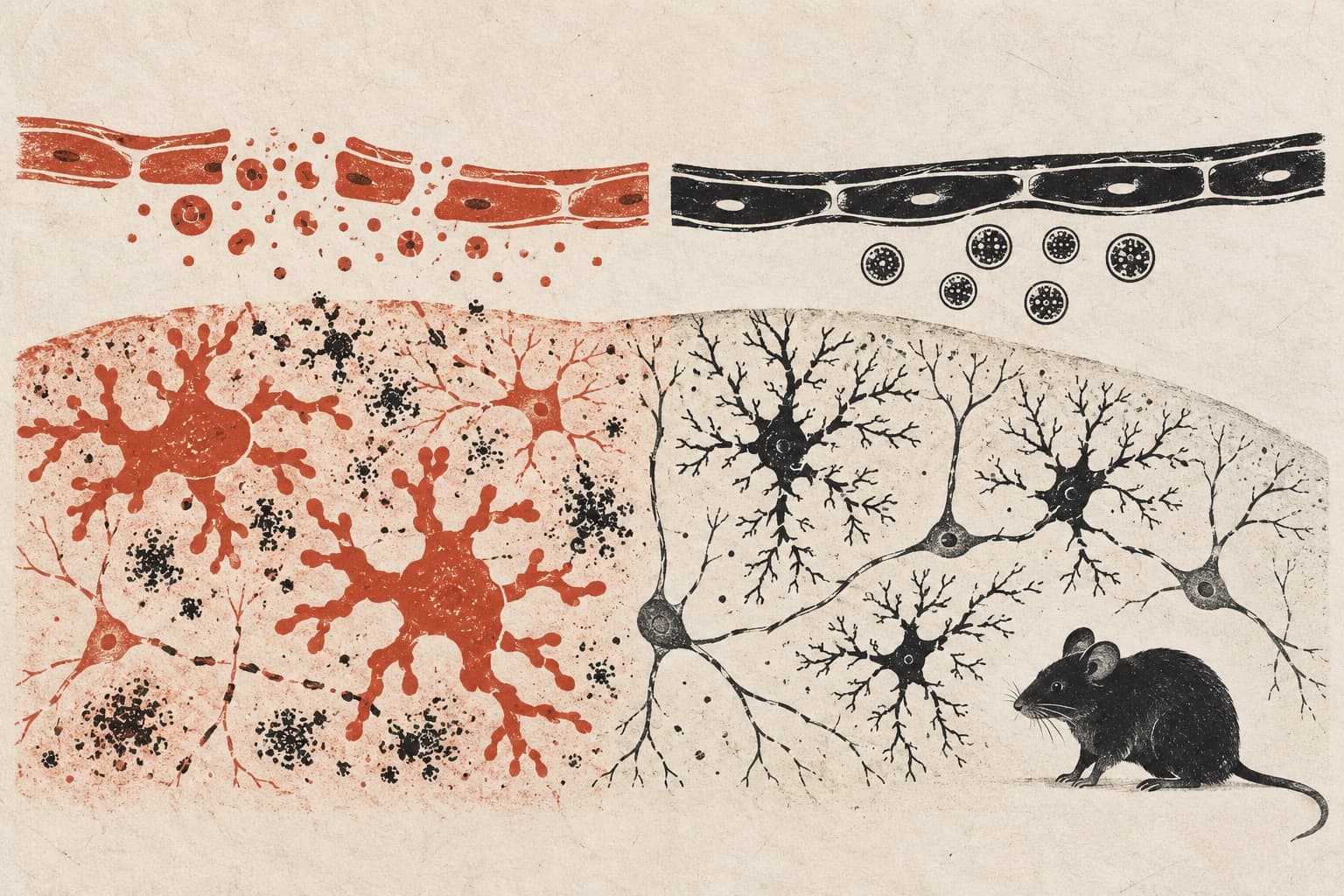
Inhalation anesthetics may trigger the hypothalamic-pituitary-adrenal axis. FK-506 binding protein (FKBP5) is a critical regulator of the hypothalamic-pituitary-adrenal axis and has been implicated in postoperative cognitive dysfunction. However, how inhalation anesthetics affect the expression and function of FKBP5 in the brain is unclear. We employed single-nucleus RNA sequencing to delineate the hippocampal transcriptomic profiles of the brains of aged marmosets and mice after sevoflurane anesthesia. The results of single-nucleus RNA sequencing revealed that long-term exposure (6 hours) to sevoflurane significantly increased FKBP5 expression in the hippocampus of aged marmosets and mice, especially in microglia. Western blot assay also verified the above results. The Barnes maze test showed that, compared with heterozygous control mice, microglia-specific FKBP5 conditional knockout mice exhibited improved neurocognitive function after sevoflurane/surgery. Transcriptome sequencing analysis was performed on the brains of microglia-specific FKBP5 conditional knockout mice and heterozygous mice after sevoflurane/surgery and further revealed that FKBP5 was related mainly to inflammatory signaling pathways. Therefore, these findings indicate that long-term exposure to sevoflurane increases FKBP5 expression in the hippocampus of aged marmosets and mice, which thereby affects inflammatory signaling pathways and leads to postoperative cognitive dysfunction.
The paper
Shanghai Jiao Tong University
Medical Gas Research, 16 Apr 2025