Perspective: clinical relevance of epigenetic aging and HIV
Abstract
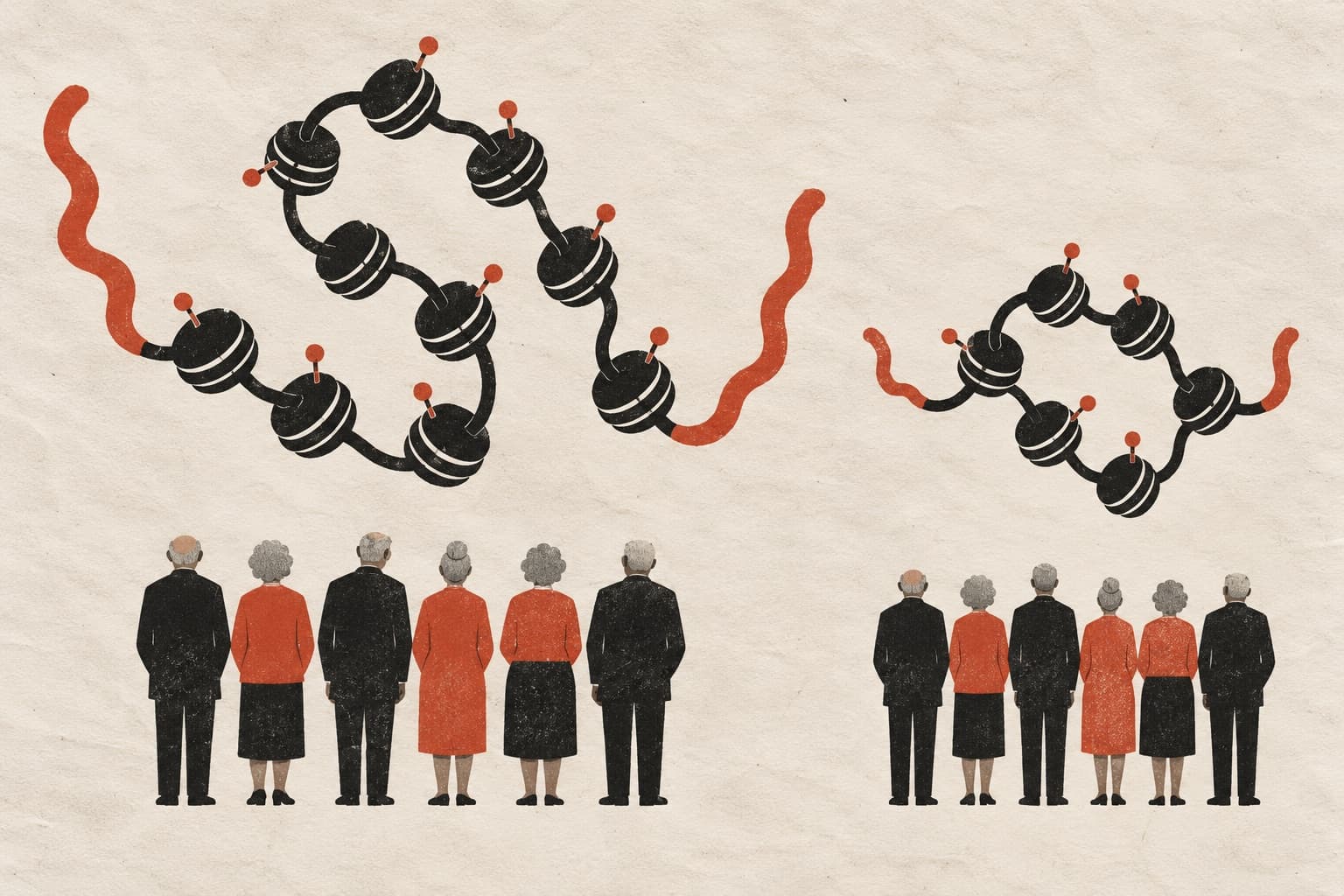
Longitudinal studies now document how leukocyte telomere attrition and epigenetic aging may be accelerated in people with HIV (PWH), in particular, around the time of HIV acquisition, during primary HIV infection, and during untreated chronic HIV infection. Whether chronic low-level inflammation and epigenetic aging go hand in hand or may be partially independent continues to be investigated in PWH and other settings. Epigenetic age acceleration (EAA) in PWH has now clearly been shown to be potentially reversible during successful antiretroviral therapy (ART). These studies point to how the beneficial effects of modern ART also include EAA-decelerating effects that seem large enough to regard ART as a kind of epigenetic rejuvenation therapy. Progress in the field has been limited in part due to the high cost of assessing EAA based on DNA methylation measures ("epigenetic clocks"). Demonstration of the clinical relevance of EAA and its reversion by ART will depend on large studies associating EAA with cardiovascular events and other adverse aging-associated endpoints in PWH.