Artery plaque more common in postmenopausal women with HIV
A cross-sectional study of 200 postmenopausal women found neck artery plaque in 12% of women with HIV versus 3% of HIV-negative women.
Menopause
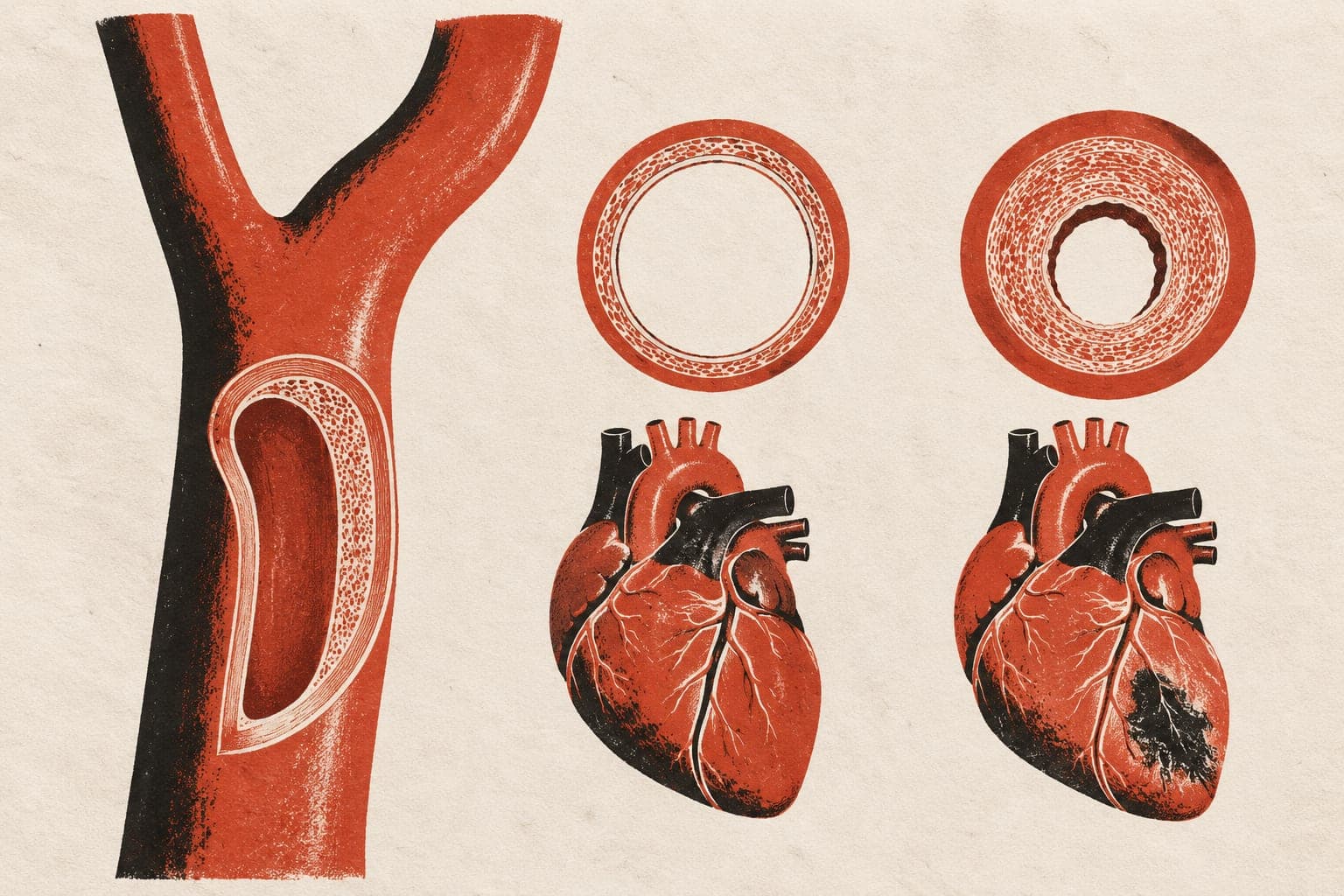
An observational, cross-sectional study in Manaus, Brazil, compared 200 postmenopausal women aged 45–60: 100 living with human immunodeficiency virus (HIV) and 100 HIV-negative women. Researchers assessed metabolism, lifestyle and estimated ten-year cardiovascular risk. They used ultrasound to look for plaque, fatty deposits in the neck’s carotid arteries.
Plaque was present in 12% of women with HIV and 3% of HIV-negative women. HIV remained associated with plaque after researchers accounted for other measured factors. Later menopause was associated with lower odds of plaque. Women with HIV also had higher estimated cardiovascular risk and were more likely to be physically inactive. The groups had similar carotid artery wall thickness.
Why it matters
The findings bear on how to assess cardiovascular risk after menopause in women living with HIV. The researchers said further studies were needed to identify the best risk-assessment strategy.
Caveats
Measurements taken at one point in time cannot show that HIV or menopause timing caused plaque. The study included 200 women aged 45–60 in one Brazilian city.
- HIV infection
- Atherosclerosis
- Carotid atherosclerosis
- Metabolic syndrome
- Carotid intima-media thickness
- Humans
The paper
Cardiovascular risk in postmenopausal women living with HIV
Show 4 more authors
Marcos L B Ferreira, Rebeca S Pinheiro, Yury O Chaves, Adele S Benzaken,Post-Graduate Program in Tropical Medicine · Leônidas and Maria Deane Institute
Menopause · 6 Oct 2026