Protocatechualdehyde improves cyclophosphamide-induced premature ovarian insufficiency by inhibiting granulosa cell apoptosis and senescence through the SIRT1/p53 axis
Abstract
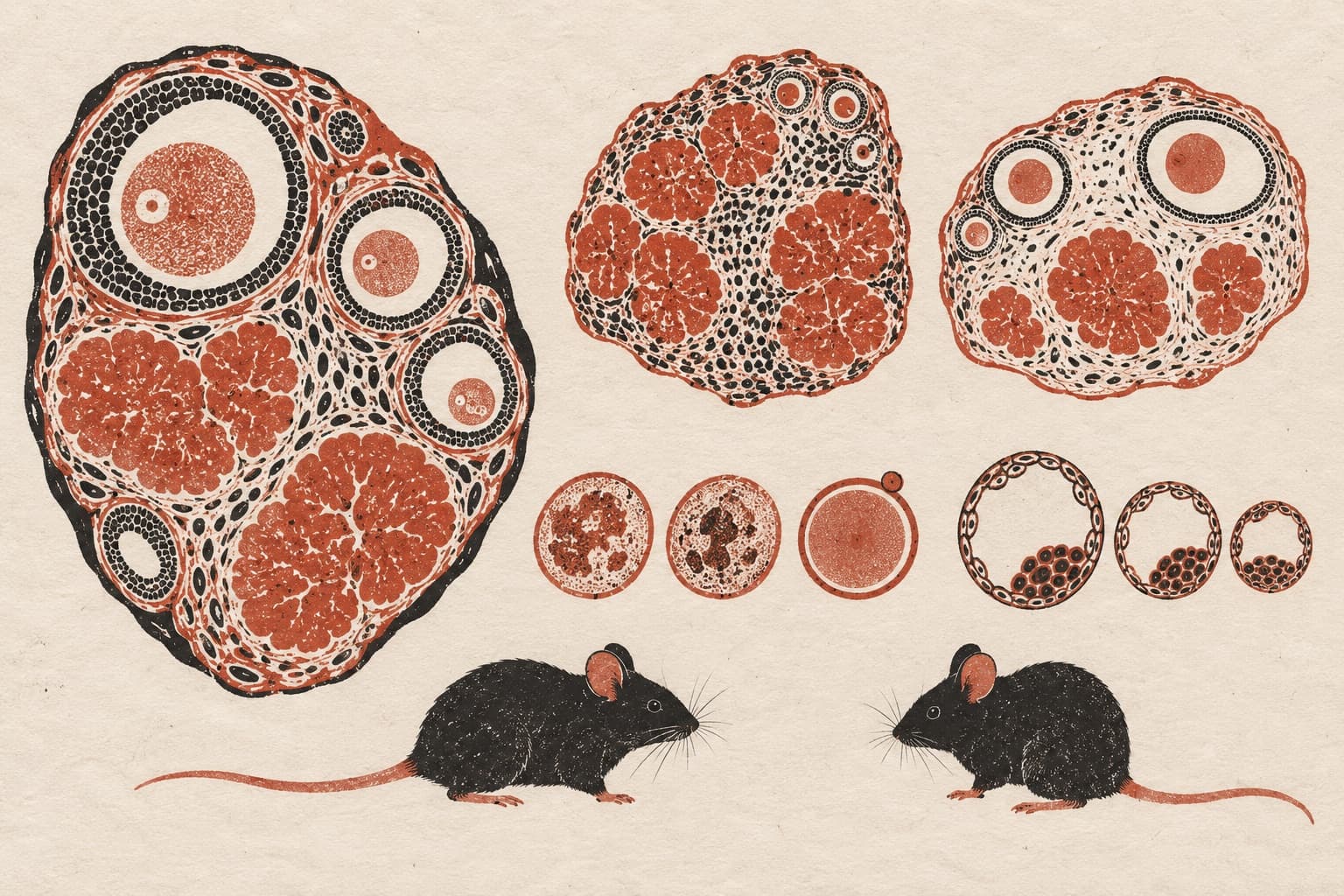
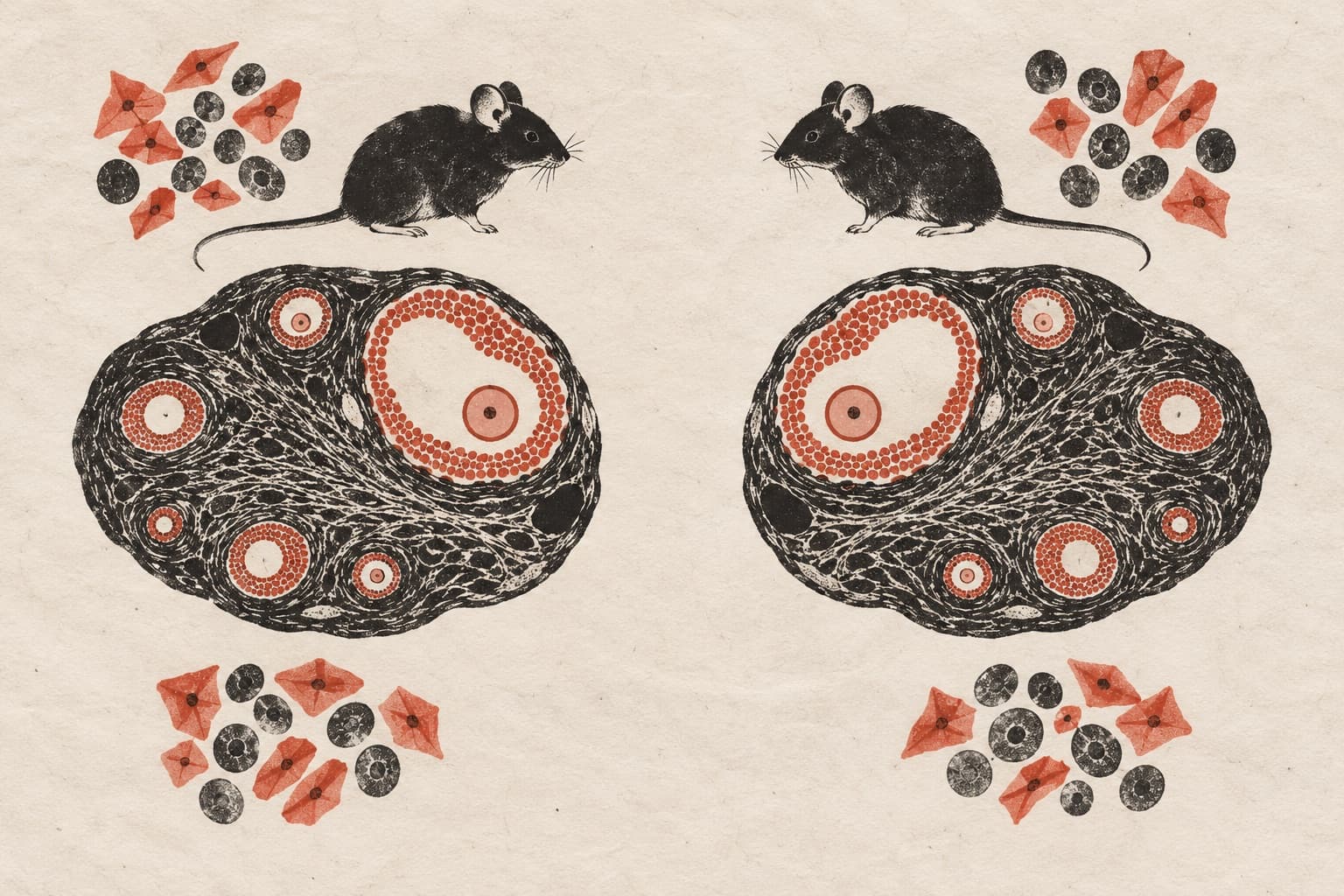
Premature ovarian insufficiency (POI) is a prevalent gynecological disorder. Cyclophosphamide (CP), as a chemotherapeutic drug, particularly plays an important role in inducing POI. Protocatechualdehyde (PCA) is a major phenolic acid in Chinese herb Danshen, and has been reported to have beneficial effects on anti-inflammatory, anti-apoptotic, and anti-oxidant functions. We aimed to investigate the effect of different doses of PCA on ovarian function and the underlying molecular mechanisms. PCA administration reduced estrous cycle disorders, increased ovarian weight, promoted the secretion of serum hormone levels, and improved the CP-damaged ovarian microenvironment. Importantly, the administration of PCA contributed to the recovery of ovarian function with POI by inhibiting the senescence and apoptosis of granulosa cells. In vitro assay further confirmed the protective effect of PCA on CP-induced senescence and apoptosis of granulosa cells. Mechanistically, both in vivo and in vitro experiments proved that PCA administration promoted activation of the Sirt1/p53 signaling cascade, ultimately improving ovarian function. In conclusion, PCA might protect against ovarian damage in CP-induced POI that might be related to its activity on senescence and apoptosis of granulosa cells by the Sirt1/p53 pathway.
The paper
Heilongjiang University of Chinese Medicine
Reproductive Toxicology, 12 Apr 2025