Resveratrol attenuates aging-induced mitochondrial dysfunction and mitochondria-mediated apoptosis in the rat heart
Abstract
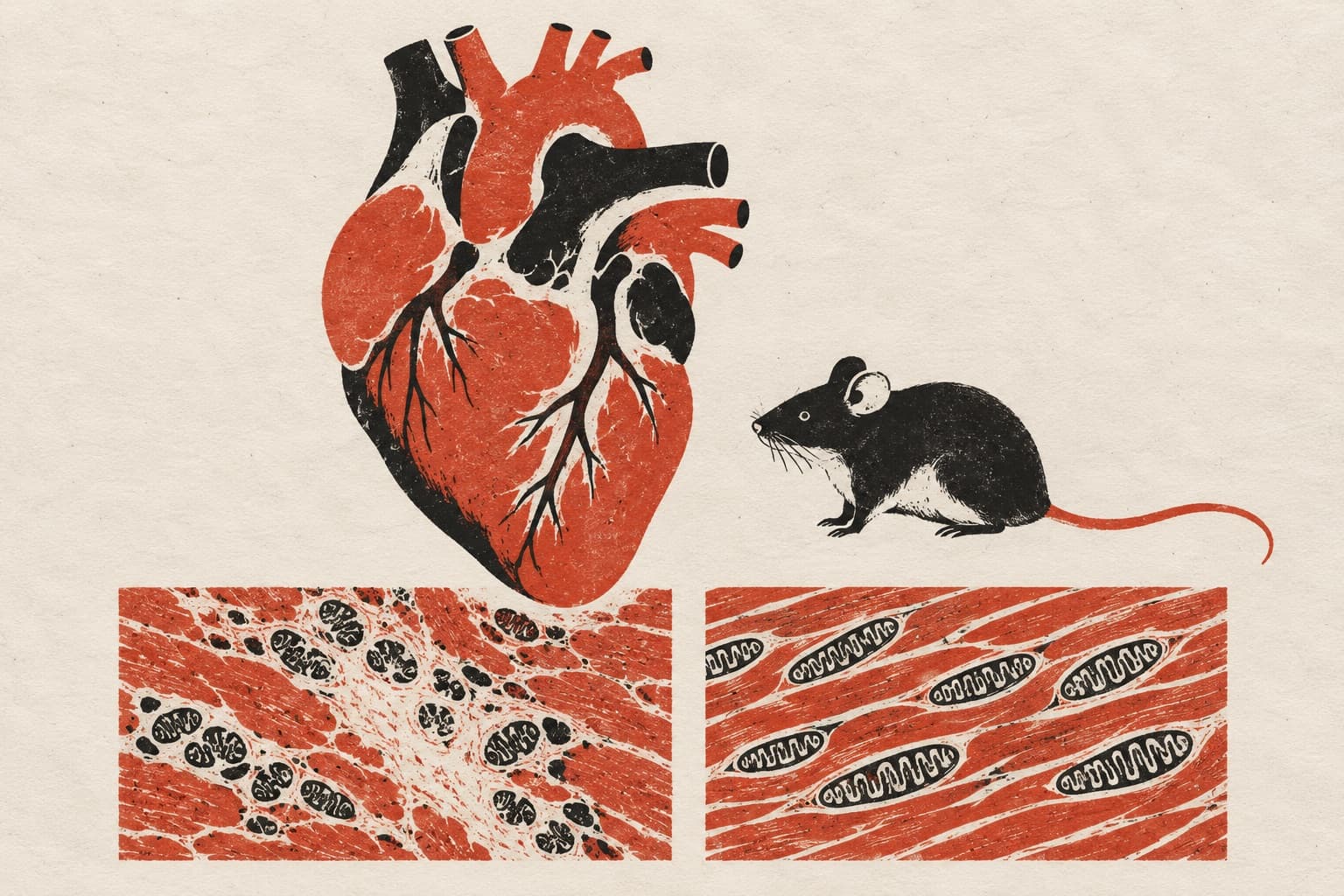
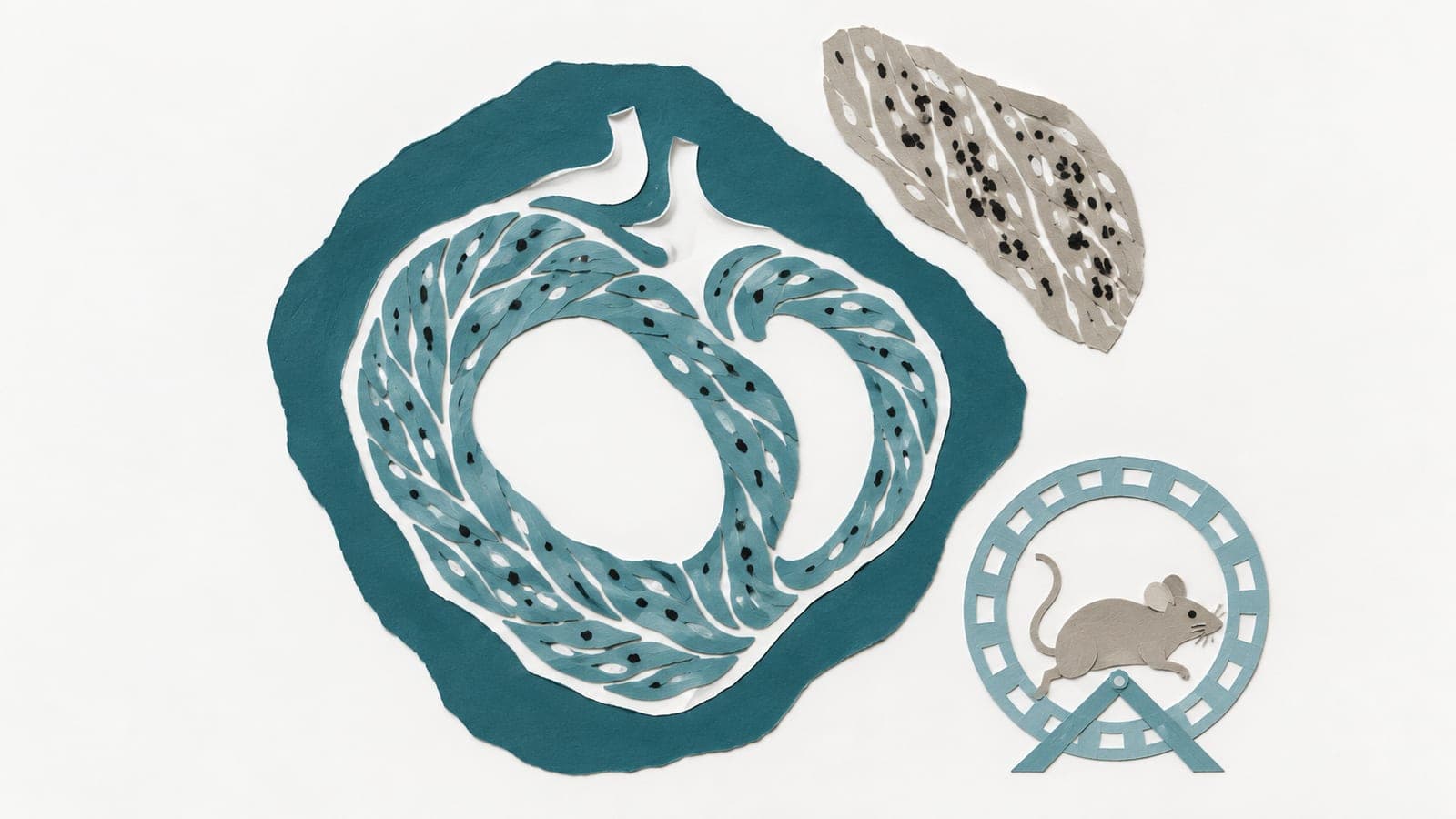
BACKGROUD/OBJECTIVES: Resveratrol, a natural polyphenolic compound, has potent antioxidant and anti-inflammatory properties, leading to beneficial effects against cardiovascular diseases. The purpose of this study was to determine whether resveratrol induces protective effects against aging-induced cardiac remodeling, mitochondrial dysfunction, and mitochondria-mediated apoptosis in the heart. MATERIALS/METHODS: Thirty-two male Fischer 344 rats were divided into 4 groups: 2 groups that were orally treated with resveratrol (50 mg/kg/day) for 6 weeks (young and old resveratrol groups), and 2 control groups (young and old control groups). Mitochondrial function and mitochondria-mediated apoptotic pathway were analyzed in cardiac muscle fibers from the left ventricle. RESULTS: Resveratrol significantly reduced cardiac hypertrophy and remodeling in aging hearts. In addition, resveratrol significantly ameliorated aging-induced mitochondrial dysfunction (e.g., decreased oxygen respiration and increased hydrogen peroxide emission) and mitochondria-dependent apoptotic signaling (the Bax/Bcl-2 ratio, mitochondrial permeability transition pore opening sensitivity, and cleaved caspase-3 protein levels). Resveratrol also significantly attenuated aging-induced apoptosis (determined via cleaved caspase-3 staining and TUNEL-positive myonuclei) in cardiac muscles. CONCLUSION: This study demonstrates that resveratrol treatment has a beneficial effect on aging-induced cardiac remodeling by ameliorating mitochondrial dysfunction and inhibiting mitochondria-mediated apoptosis in the heart.
The paper
Inha University
Nutrition Research and Practice, 29 Oct 2024