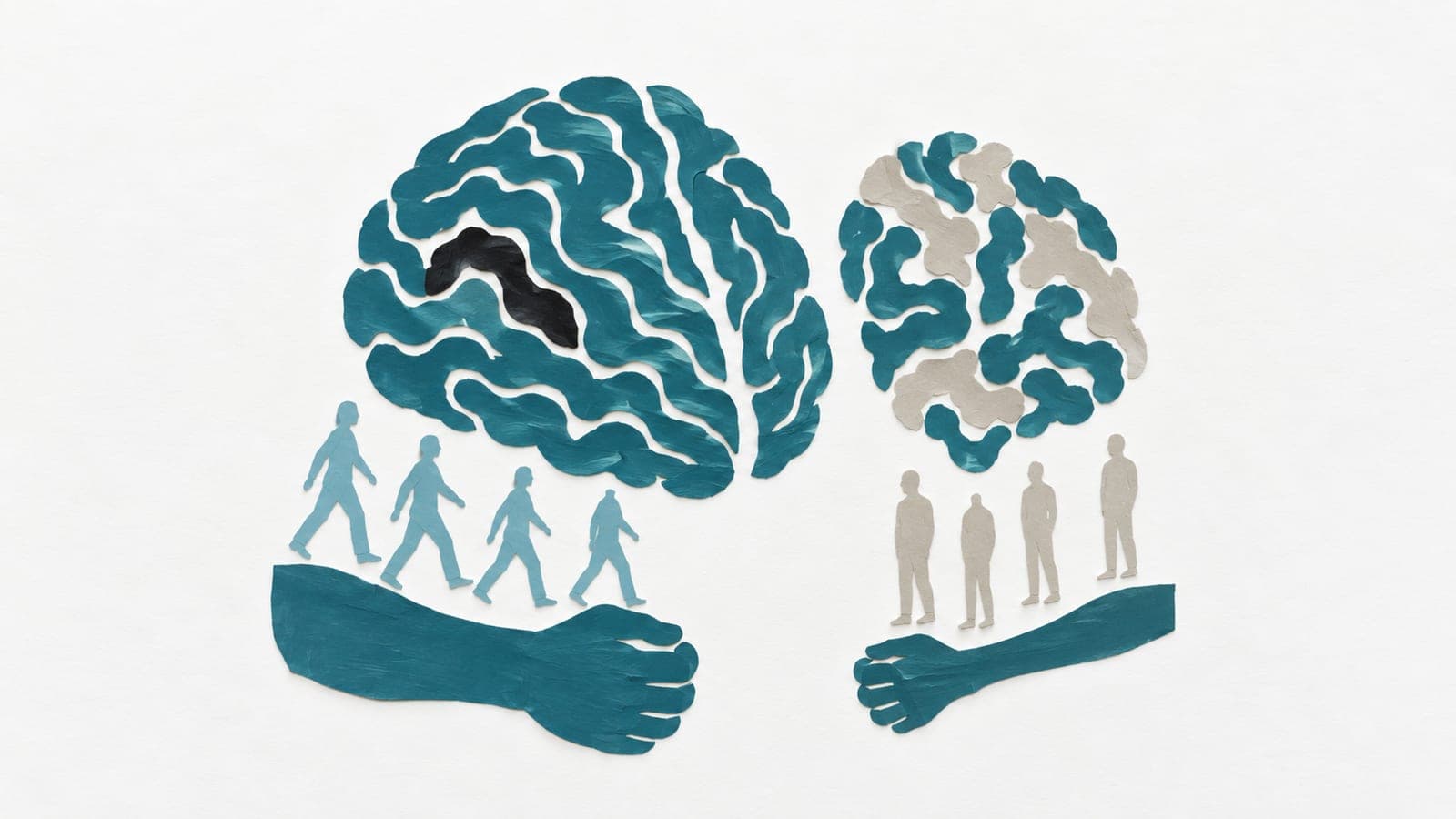
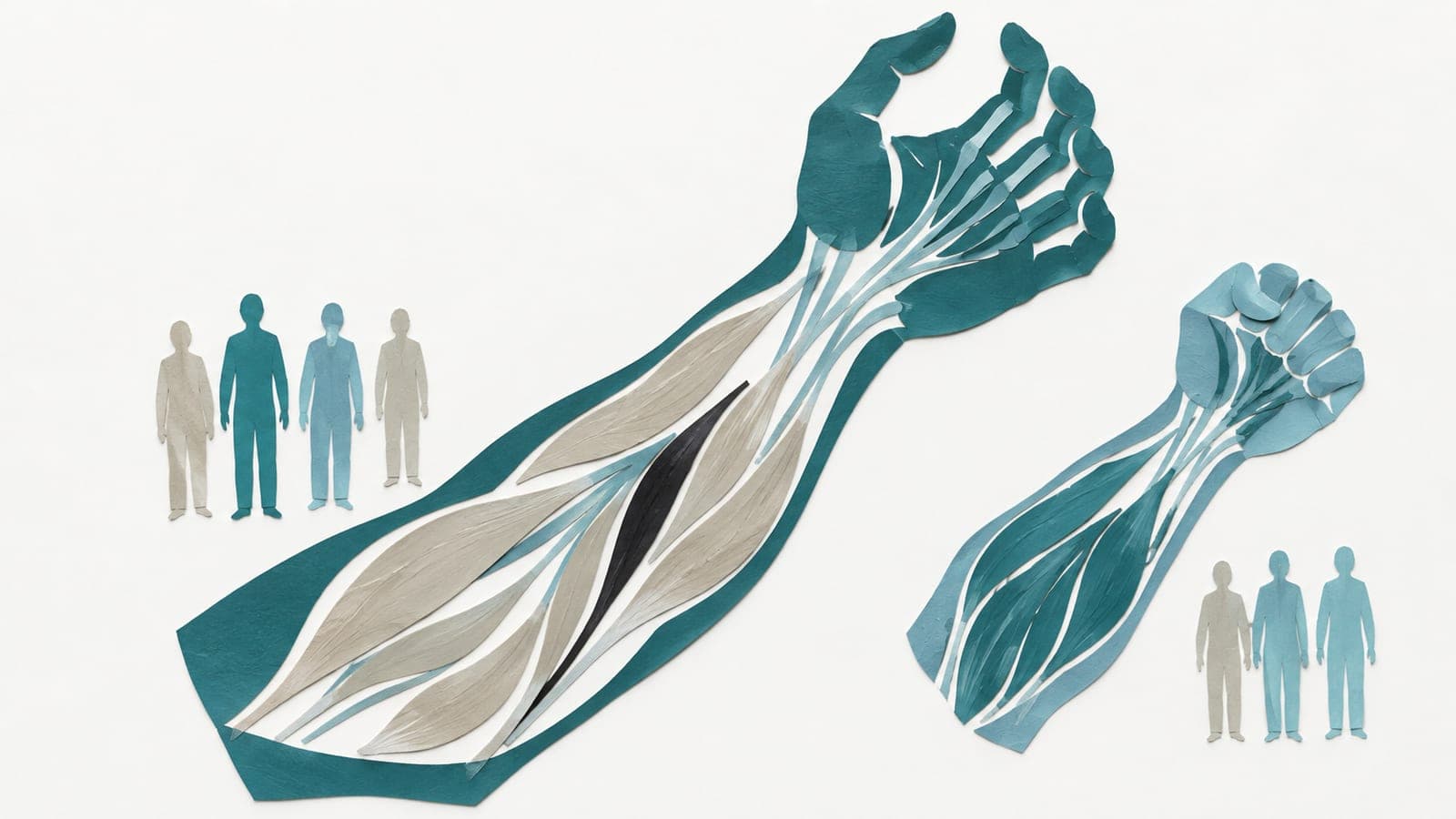
Interplay of Physical Activity, Muscle Strength, and Depression in Cognitive Impairment among Korean Older Adults: A Cross-sectional Study
Abstract
OBJECTIVE: The present study was to investigate the association of physical activity (PA), relative-handgrip strength (RHGS), depressive symptoms, and cognitive impairment in Korean older adults. METHODS: This study included 512 community-dwelling Korean older adults (417 female, 95 male) aged ≥ 65 years (74.8 ± 5.4 years). PA and RHGS were assessed using an accelerometer and dynamometer, respectively. Depressive symptoms were evaluated by the Korean form of the Center for Epidemiologic Studies Depression (CES-D) Scale. Cognitive impairment was assessed through the Mini-Mental State Examination for Dementia Screening (MMSE-DS). RESULTS: Multiple logistic regression analysis revealed that depressive symptoms (odds ratio [OR] = 2.676, 95% confidence interval [CI]: 1.594-4.492, p < 0.001) showed a significant association with increased odds of cognitive impairment compared with normal depression status (OR = 1). Depressive symptoms had both direct and indirect effects on cognitive impairment. Both PA and RHGS partially mediated the relationship between depressive symptoms and cognitive impairment (PA: effect [B] = -0.017, 95% CI: -0.028 to -0.009, p < 0.001; RHGS: B = -0.005, 95% CI: -0.007 to -0.003, p < 0.001). Serial mediation analysis further indicated that the association between depressive symptoms and cognitive impairment was sequentially mediated by PA and RHGS (B = -0.004, 95% CI: -0.006 to -0.002, p < 0.001). CONCLUSION: Promoting PA among older adults may be crucial, as this helps improve and maintain muscular strength and mitigates the negative impact of depressive symptoms on cognitive impairment.
The paper
Sungkyunkwan University
Clinical Psychopharmacology and Neuroscience, 17 Jan 2025