Clinical research progress in pulse wave velocity in the assessment of vascular aging
Abstract
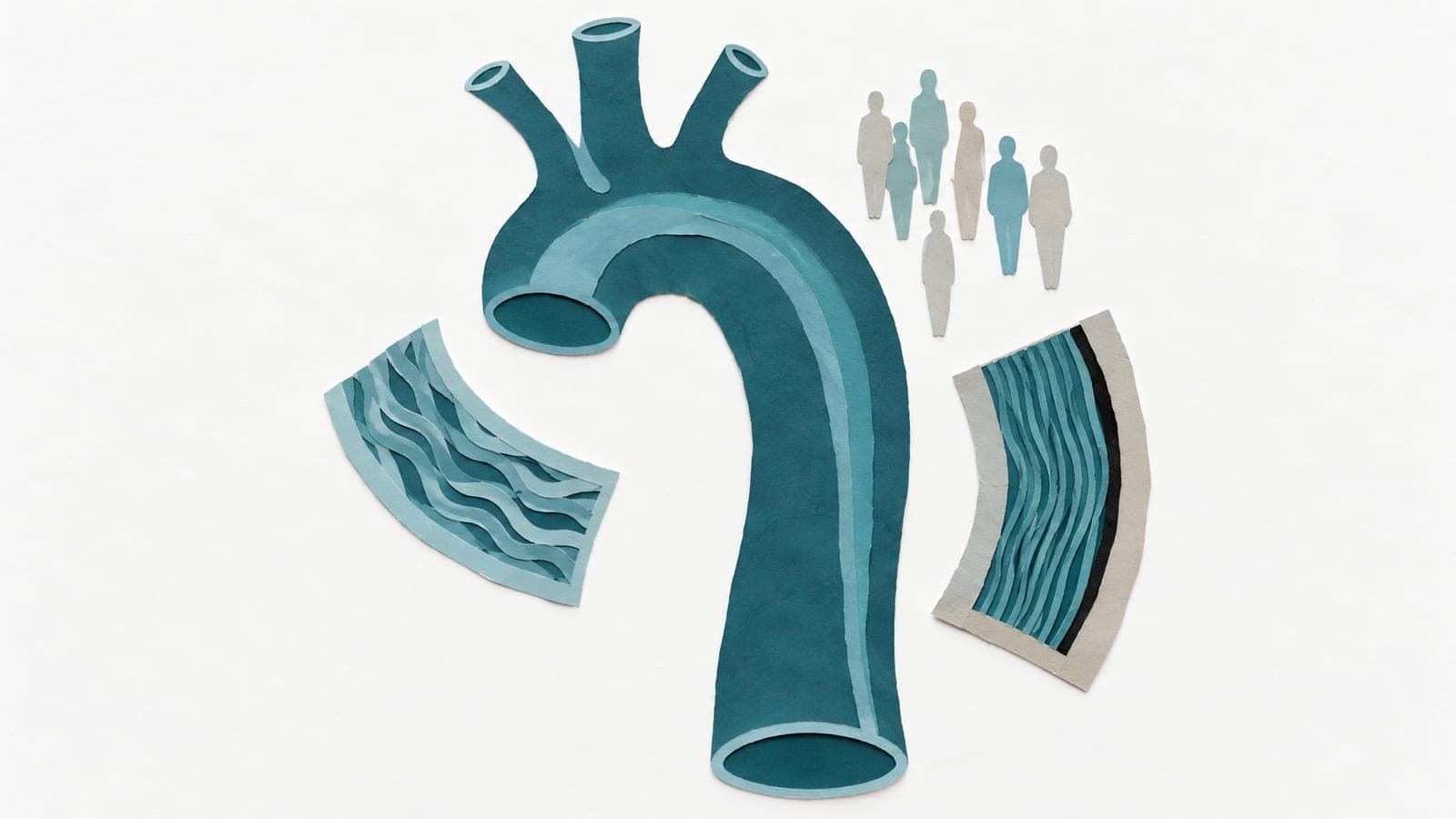
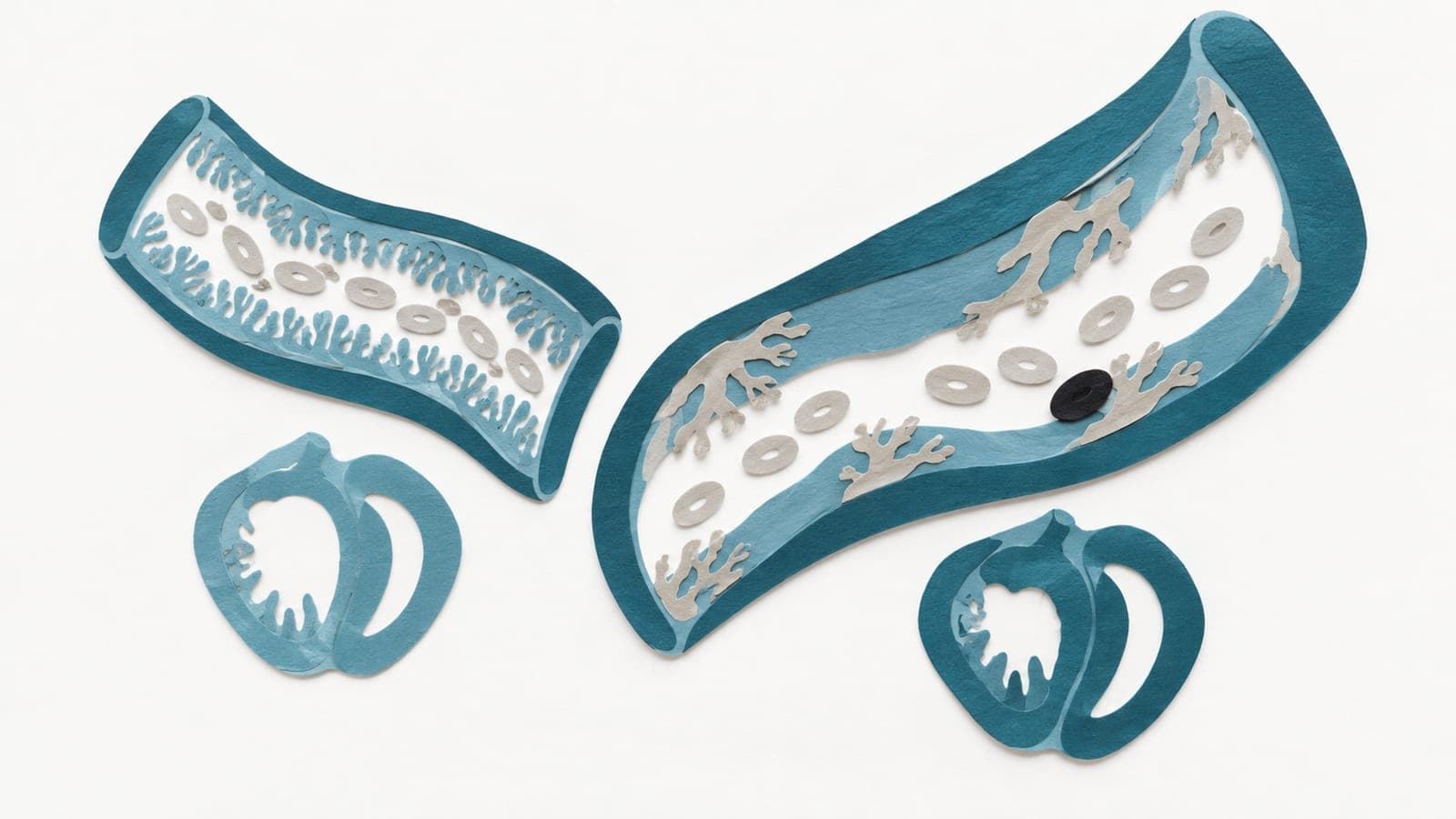
Vascular aging refers to the degenerative changes in vascular wall structure and vasodilatory function, forming the pathophysiological basis for the onset and progression of cardiovascular disease (CVD). Pulse wave velocity (PWV), a non-invasive method for evaluating and detecting early vascular aging, has achieved significant results in predicting CVD risk and evaluating the efficacy of pharmacological treatments. PWV can effectively predict CVD risk across various populations, including healthy individuals, patients with hypertension, diabetes, and chronic inflammatory diseases. In patients with comorbidities such as hypertension, pharmacological interventions, such as anti-inflammatory, lipid-lowering, anti-hypertensive, and anti-diabetic treatments, can effectively reduce PWV and thus slow down vascular aging. Therefore, PWV is not only a vital tool for assessing early vascular aging but also an important indicator for evaluating treatment outcomes. Regular monitoring of PWV levels is of great significance in predicting CVD risk, evaluating therapeutic efficacy, and guiding clinical decision-making.
The paper
Central South University
Zhong Nan Da Xue Xue Bao Yi Xue Ban, 28 Dec 2024
doi.org/10.11817/j.issn.1672-7347.2024.240210PubMed 40195672