Vessel lining damage linked to heart dysfunction in Chinese adults
In 503 retired adults in China, each 0.1-micrometre rise in a marker of vessel lining damage was linked to 12% higher odds of asymptomatic heart dysfunction.
23 months, dose-response
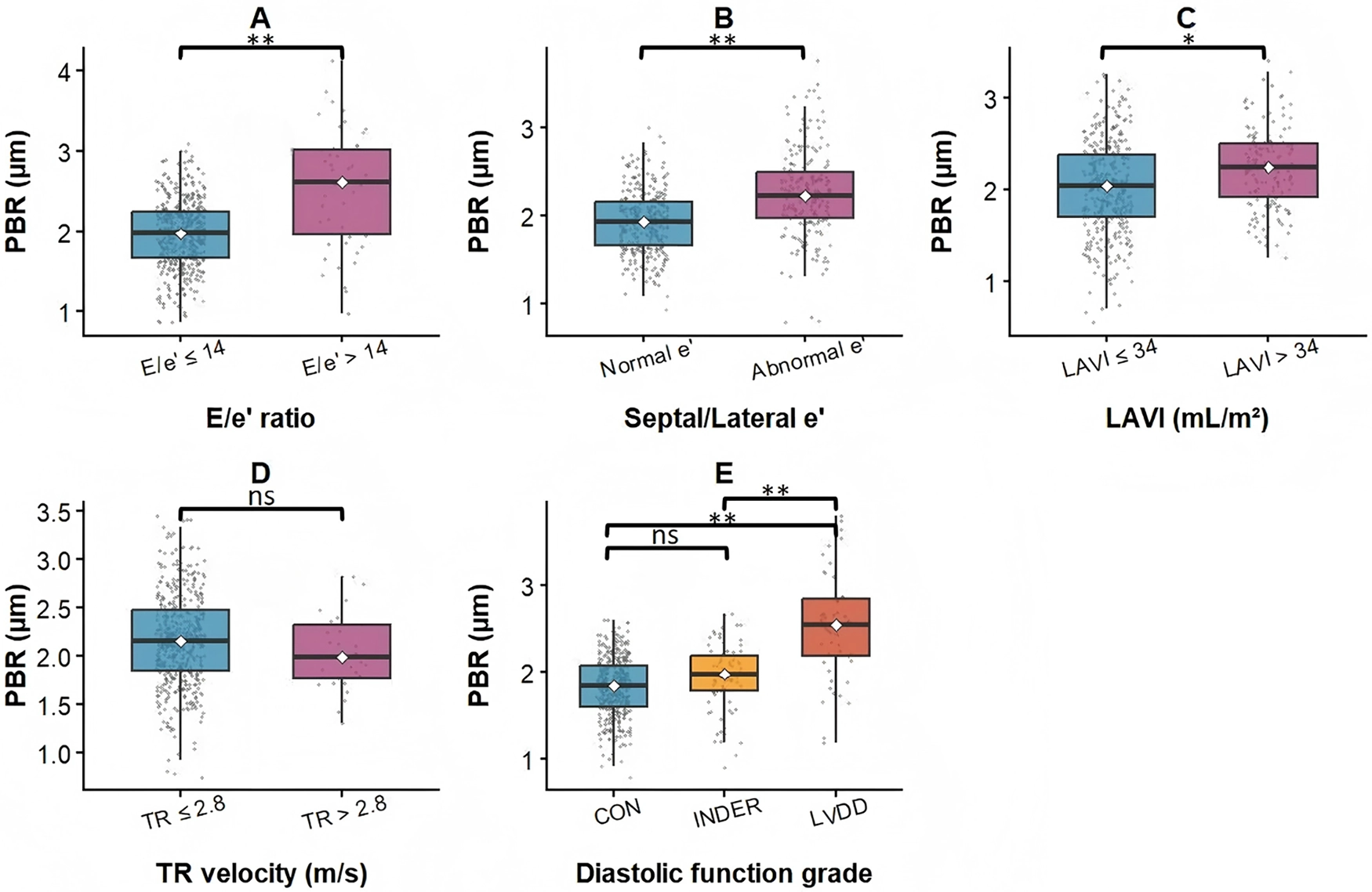
In an observational study, researchers tracked 503 retired workers aged 60 and older without overt heart failure from a single centre in China for a median of 23 months. They imaged tiny blood vessels under the tongue to assess damage to the endothelial glycocalyx, a protective sugar-rich layer lining the inside of blood vessels. Diastolic function, which reflects how well the heart relaxes to fill with blood between beats, was evaluated by ultrasound at baseline and follow-up. At the start, 49 participants had asymptomatic diastolic dysfunction. Their vessel damage score averaged 2.43 micrometres, compared with 1.84 micrometres in those with normal diastolic function. Over follow-up, participants with greater baseline vessel lining damage showed significantly greater annual worsening in measures of heart relaxation.
Why it matters
Non-invasive monitoring of the protective lining of small blood vessels under the tongue may help detect early deterioration in heart relaxation in older people before symptoms appear. The findings also raise the hypothesis that this vascular barrier could serve as a potential target for preventive interventions.
Caveats
Because this was an observational study at a single centre, it cannot establish whether vessel lining impairment causes heart dysfunction. The findings also come entirely from retired workers in China and may not generalise to other groups.
- Extracellular matrix
- Left ventricular diastolic dysfunction
- E/E′ ratio
- HOMAGE score
- Perfused boundary region
- Humans
The paper
Fourth People’s Hospital of Jinan; Chinese People's Liberation Army
Frontiers in Cardiovascular Medicine, 24 Sep 2026