The hidden pathway: biological aging as a mediator between diabetes and breast cancer risk: a Mendelian randomized study
Abstract
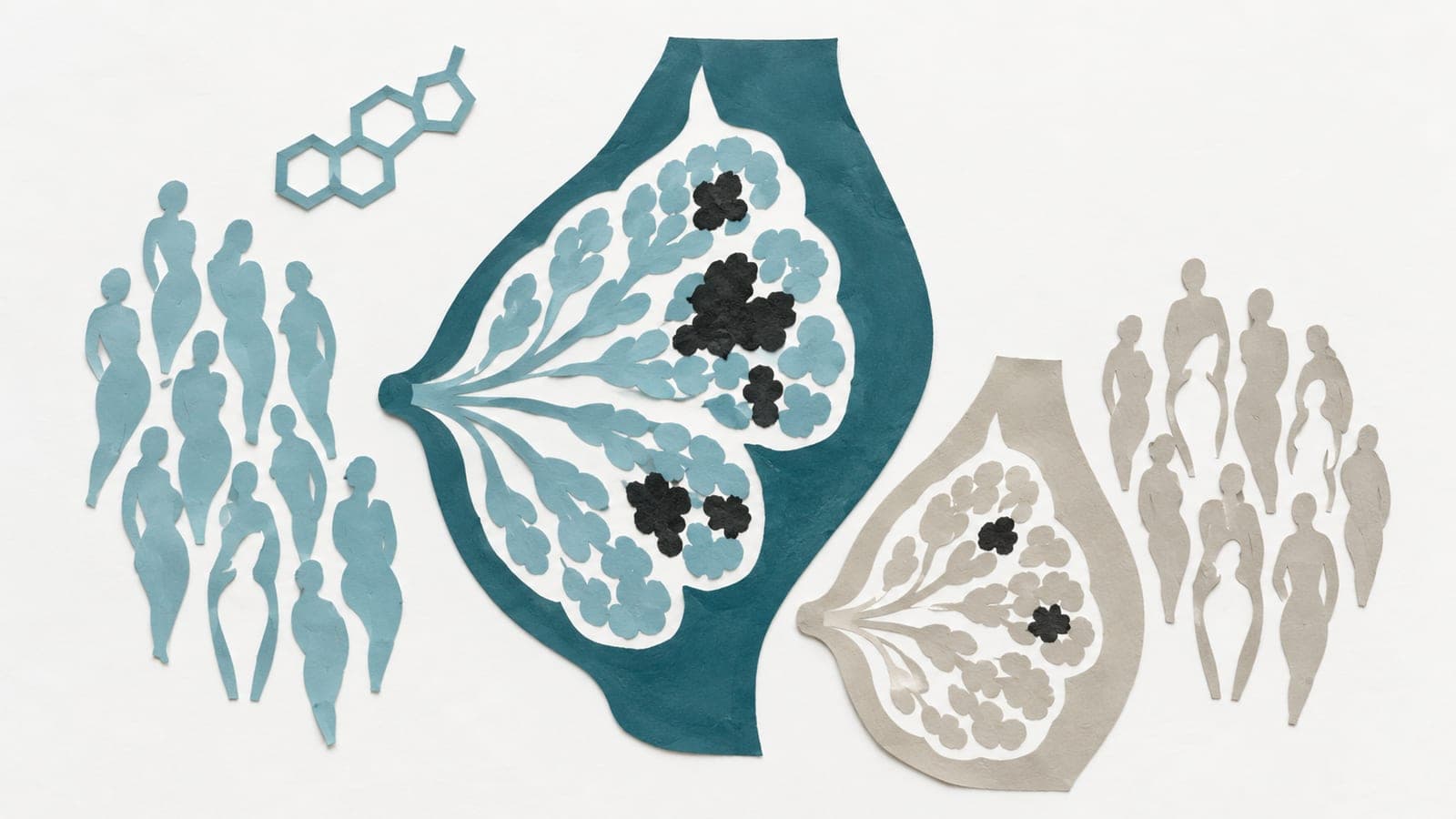
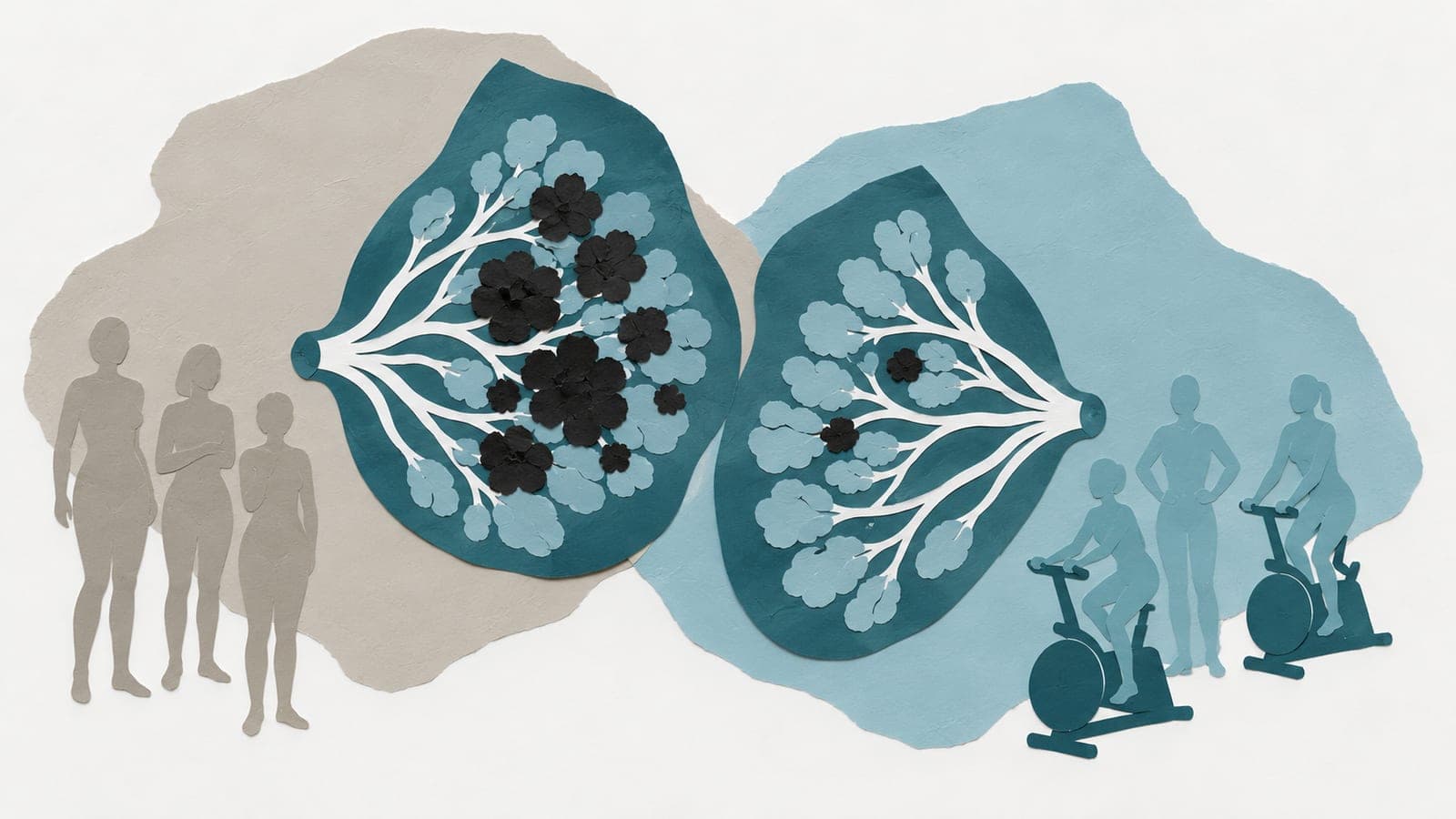
OBJECTIVE: To explore the relationship between type 2 diabetes mellitus and the risk of developing breast cancer and its subtypes, and the mediating role of biological aging in it. METHODS: A two-sample Mendelian randomized analyses were performed to assess the effect of type 2 diabetes mellitus on breast cancer and its subtypes, and the mediating effect of biological aging between type 2 diabetes mellitus with breast cancer and its subtypes was explored by mediation analysis. All the data were based on genome-wide association studies. The data of type 2 diabetes mellitus were obtained from meta-analyses with the UK Biobank and FinnGen. The data of biological aging and breast cancer were obtained from UK Biobank, Breast Cancer Association Consortium, respectively. RESULTS: The results of univariate Mendelian randomized showed that type 2 diabetes mellitus was positively causally associated with the risk of triple-negative breast cancer (OR = 1.076, 95%CI 1.022 ~ 1.132, P = 0.005), and positively associated with the biological aging phenotype PhenoAgeAccel (OR = 1.311, 95%CI 1.221 ~ 1.407, P < 0.001) and BioAgeAccel (OR = 1.083, 95%CI 1.054 ~ 1.113, P < 0.001) were both positively causal. The results of mediation analysis showed that BioAgeAccel played a fully mediating role in the causal effect of type 2 diabetes mellitus and triple-negative breast cancer, with a mediating effect of -0.010 (95%CI -0.020 ~ -0.001). CONCLUSION: Through Mendelian randomized analyses, this study explores the potential causal link between type 2 diabetes mellitus and the risk of triple-negative breast cancer, as well as the possible mediating role of biological ageing. The findings indicate a potential association between type 2 diabetes mellitus and an increased risk of triple-negative breast cancer, with BioAgeAccel possibly acting as a mediator. However, given the limitations of the study and the current evidence, it is premature to definitively establish a causal relationship and the precise mediating effect. Further research is necessary to substantiate these findings.
The paper
Beijing University of Chinese Medicine; Capital Medical University
Discover Oncology, 28 Mar 2025, Open access