Fitness linked to less excess breast cancer risk after menopause
A cohort study of 15,199 postmenopausal women linked higher fitness to less excess risk associated with genetic susceptibility over a median 10.7 years.
Medicine and Science in Sports and Exercise
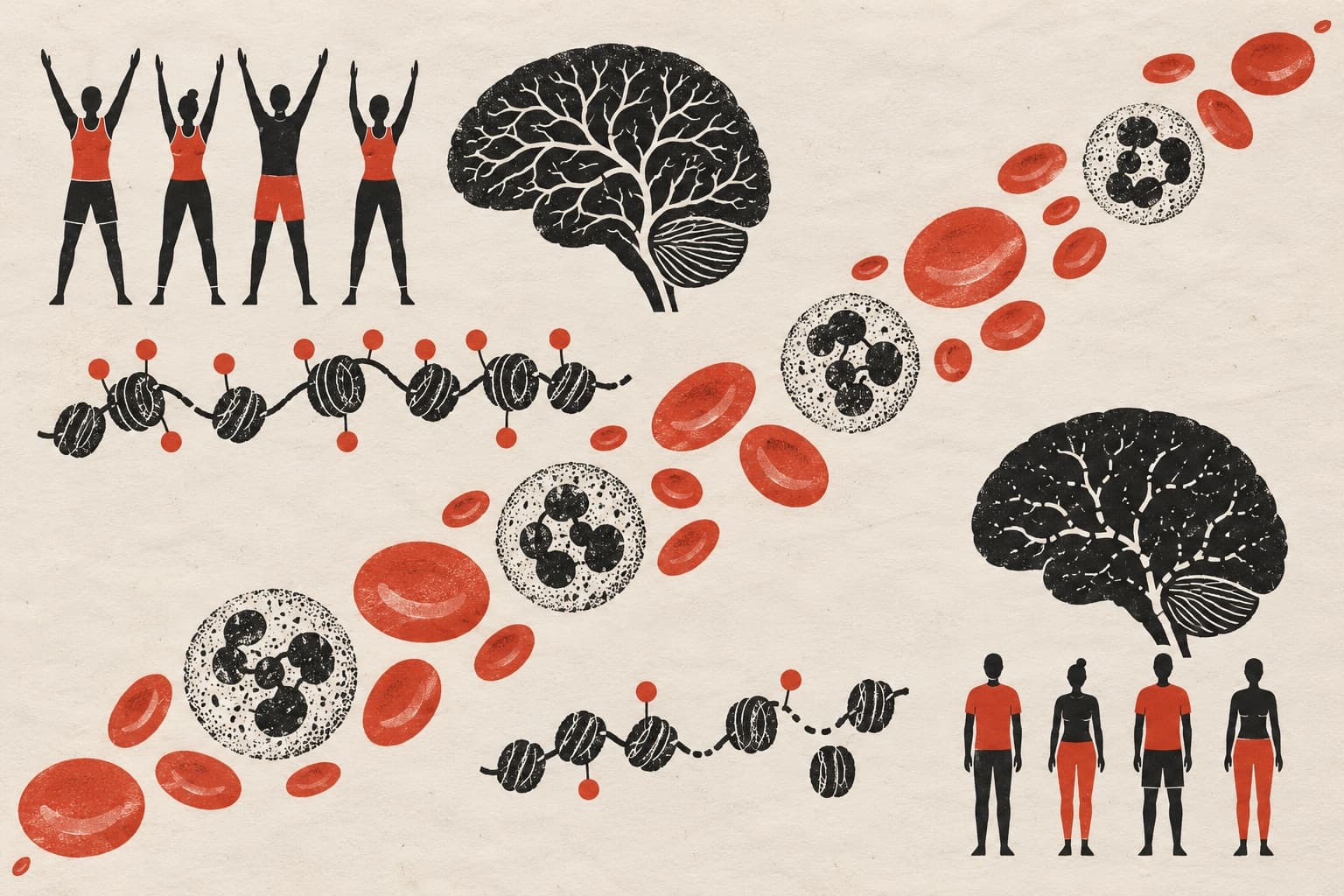
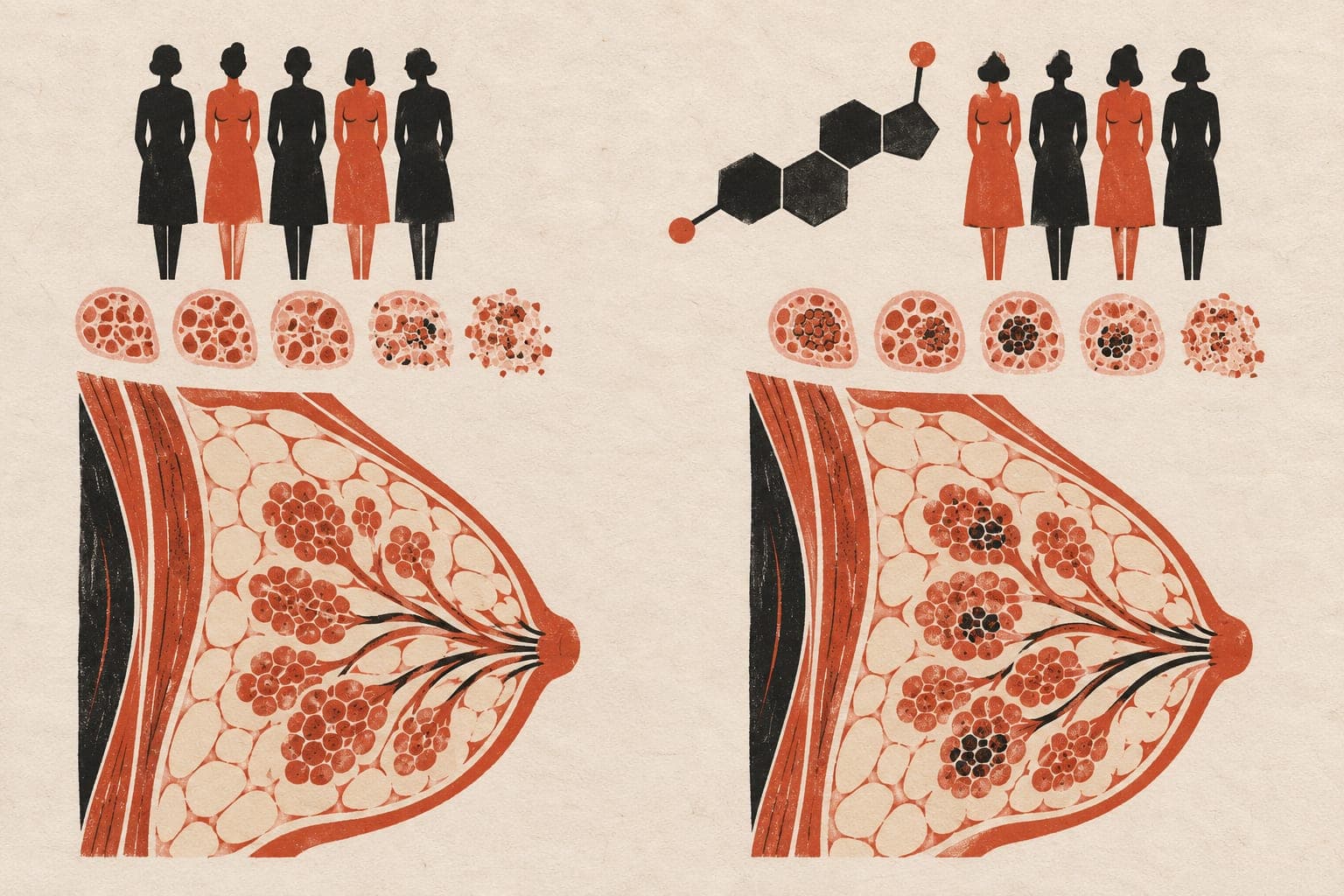
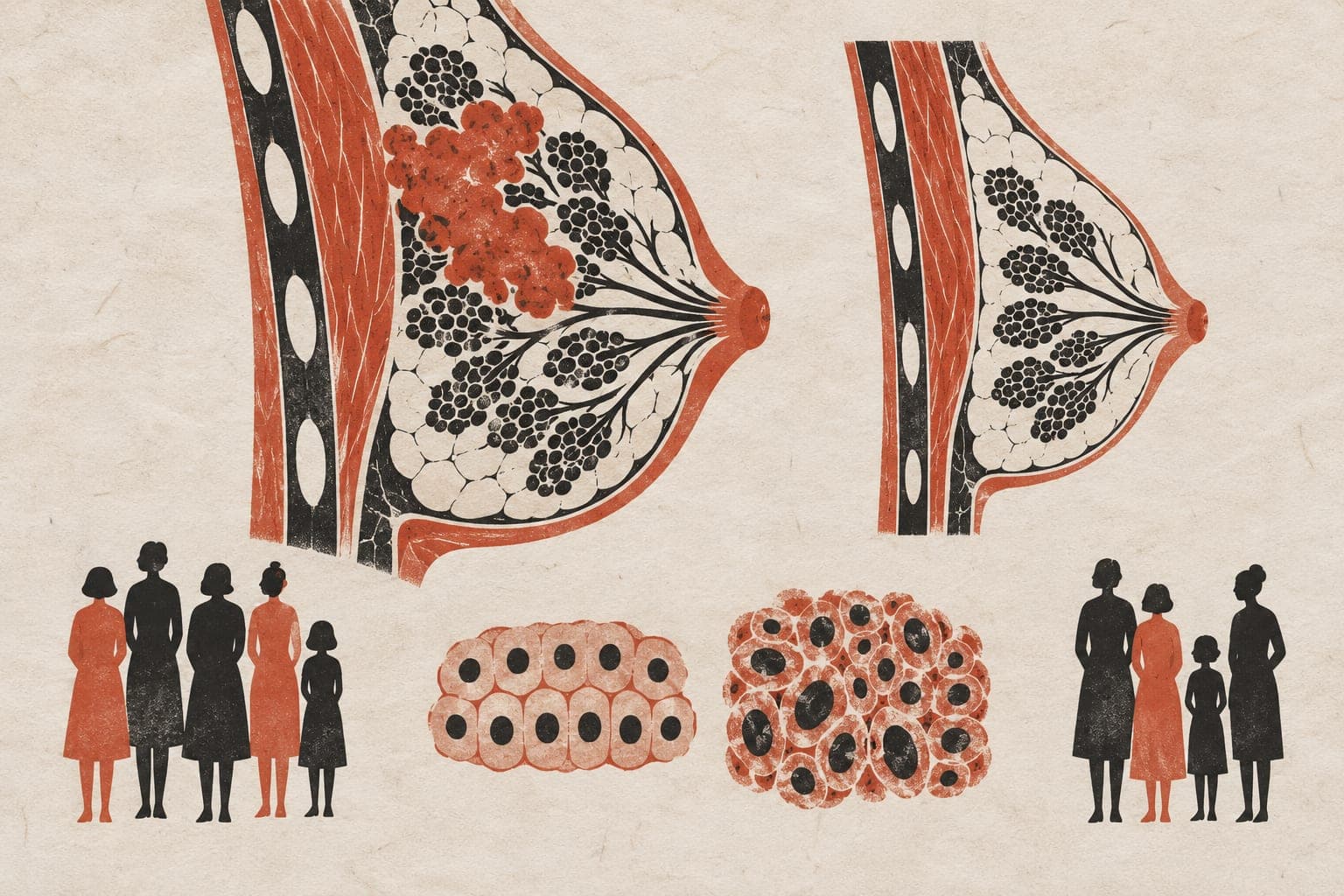
An observational cohort study followed 15,199 postmenopausal women from the UK Biobank to examine fitness, inherited susceptibility and breast cancer risk. Researchers estimated cardiorespiratory fitness, the body's ability to supply and use oxygen during exercise, with a cycling test. They assessed inherited susceptibility using a score based on multiple genetic variants. During a median 10.7 years of follow-up, 547 women developed breast cancer.
Higher fitness was associated with progressively lower breast cancer risk. Higher genetic susceptibility was associated with higher risk. An analysis of their combined associations linked higher fitness to less excess risk associated with high genetic susceptibility. This pattern was particularly evident among women aged 60 or older. The analyses accounted for established breast cancer risk factors.
Why it matters
For postmenopausal women, the findings support a potential role for fitness in breast cancer prevention strategies tailored to inherited risk.
Caveats
The observational design cannot show that improving fitness reduces breast cancer risk. Evidence for an interaction between fitness and genetic susceptibility depended on the statistical approach used.
The paper
Waseda University · Xi'an Jiaotong University Health Science Center
Medicine and Science in Sports and Exercise · 6 Oct 2026