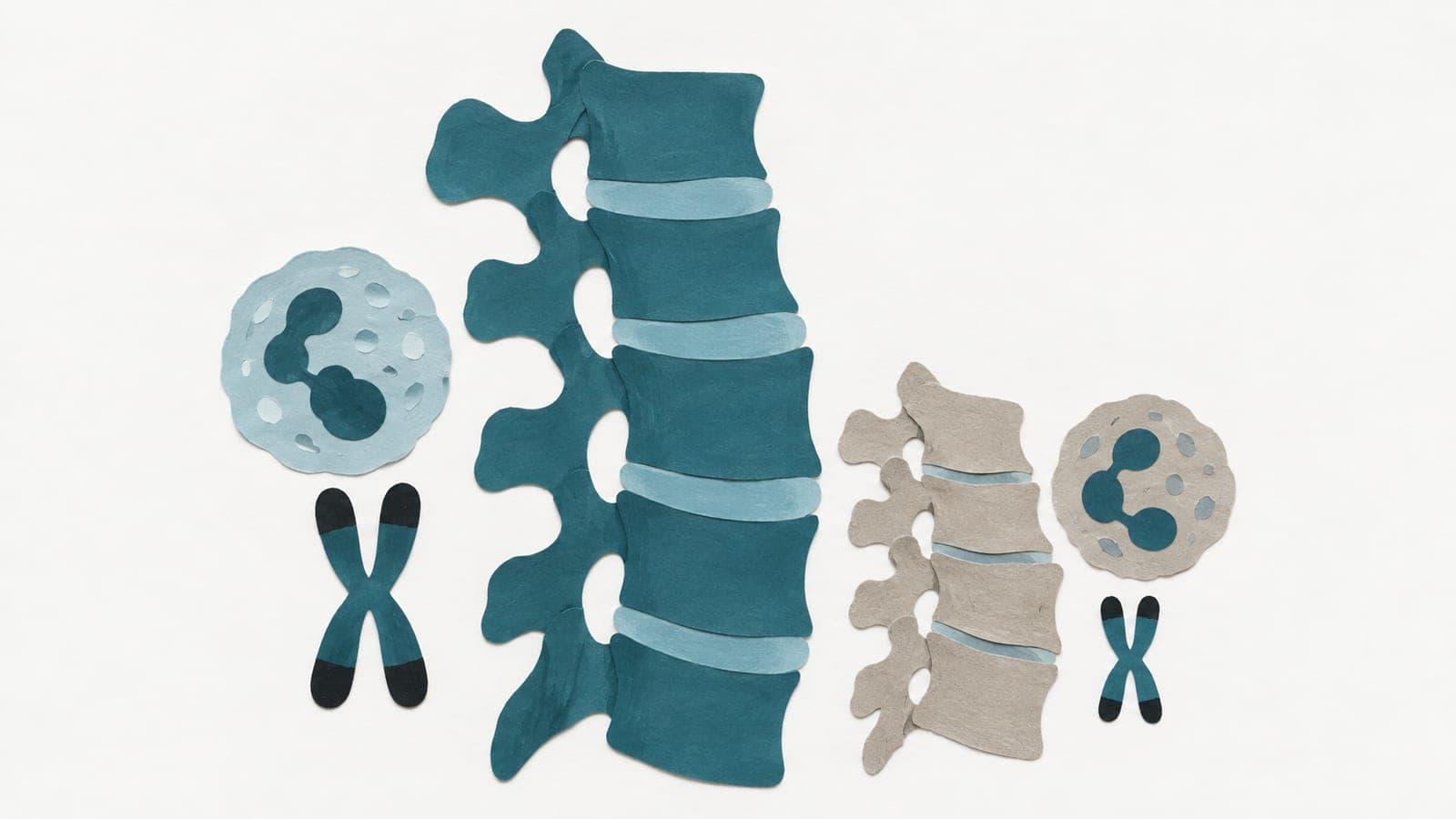
A Perceived Dissociation Between Systemic Chronic Inflammation, Age, and the Telomere/Telomerase System in Type 2 Diabetes
Abstract
Background: Chronic inflammation is associated with leukocyte telomere length (LTL) shortening and type 2 diabetes (T2D). The latter is also associated with LTL shortening, while the three variables are associated with aging. Objective: It is tempting to test whether inflammation, age, or both are behind the telomere system aberrations in diabetic patients. Methods: In this cross-sectional observational study, blood samples collected from 118 T2D patients were analyzed via ELISA to estimate the plasma levels of four inflammatory markers, IL6, IL8, TREM1, and uPAR, and the telomerase enzyme (TE). Moreover, the extracted DNA was used for the LTL estimation via qPCR and for single nucleotide polymorphisms (SNP) genotyping of TE genes (TERT, TERC, and ACYP2) via rtPCR. Results: The results showed no correlation between the levels of all tested inflammatory markers and the LTL, TE level, and age. There were no significant differences between the marker levels in diabetic patients in the four quartiles of the LTL and TE levels. Moreover, there were no significant differences in the levels of the markers between carriers of the different TE genotypes. Conclusions: There were no associations between the tested inflammatory markers' levels and the LTL, TE plasma levels, or age in T2D. Explanations for the dissociation between the above-known associations in T2D were proposed; however, the subject is worth further investigation.
The paper
Arabian Gulf University; Medical Biochemistry and Molecular Biology
Biomedicines, 20 Feb 2025