GSK-3β dysregulation in aging: Implications for tau pathology and Alzheimer's disease progression
Abstract
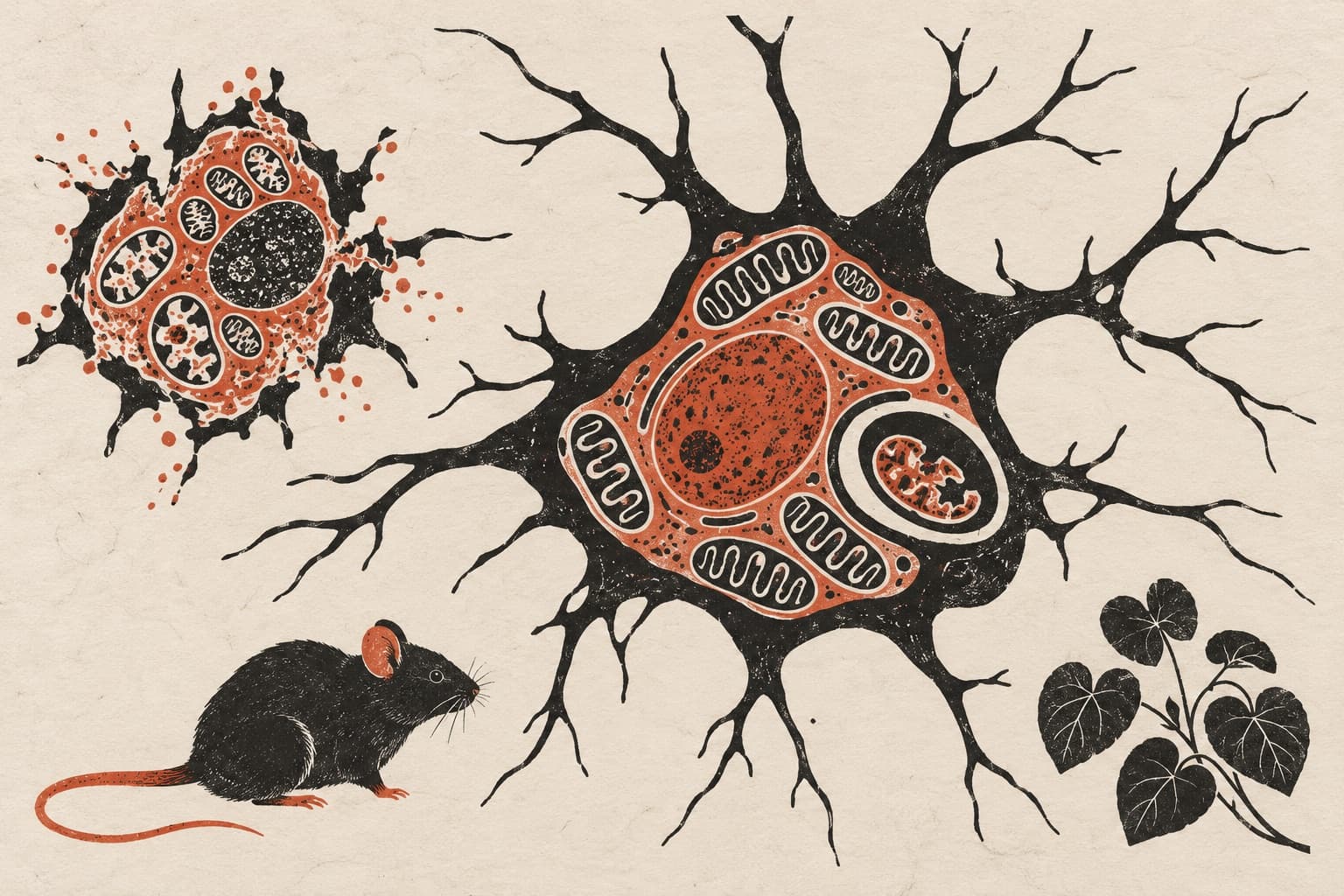
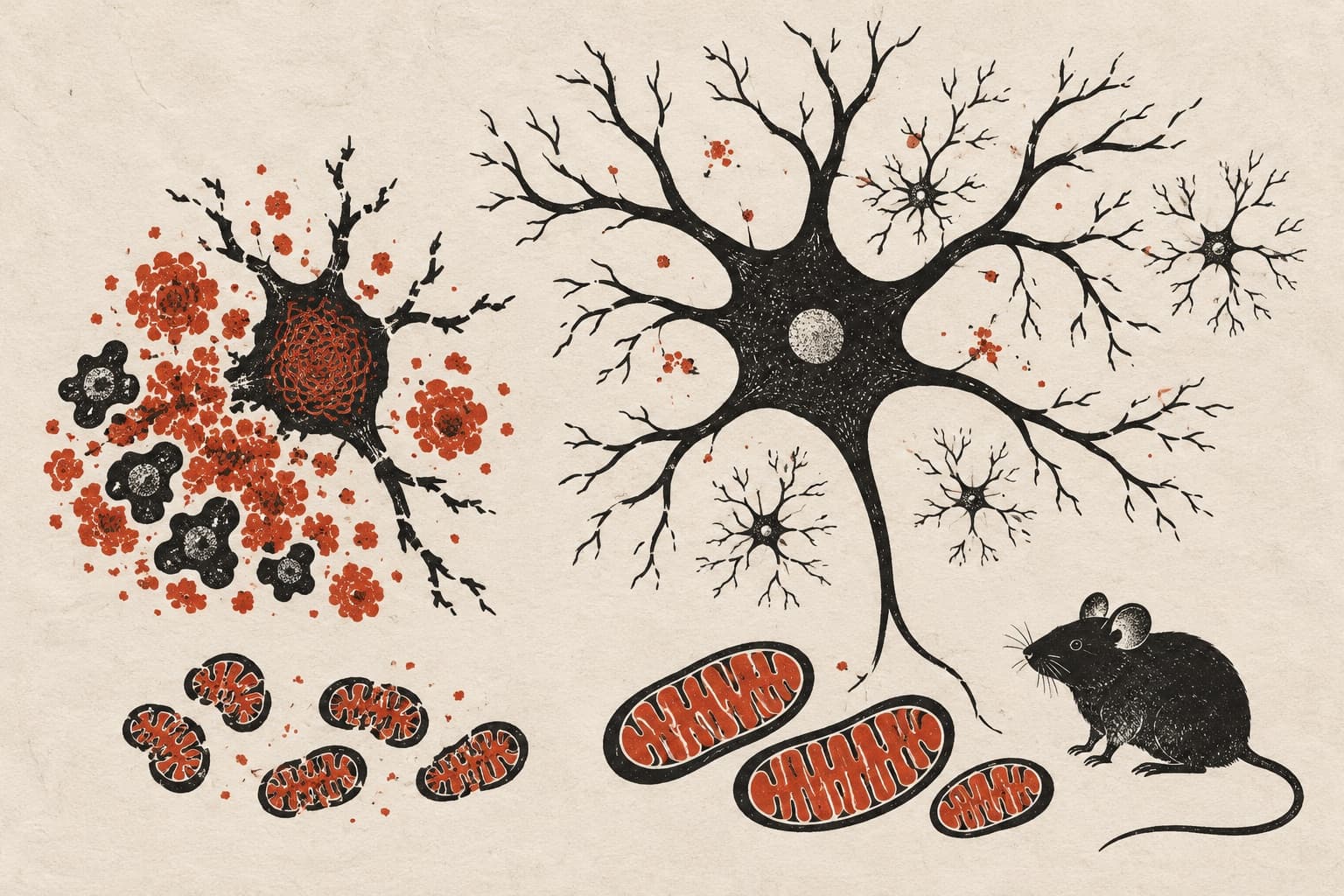
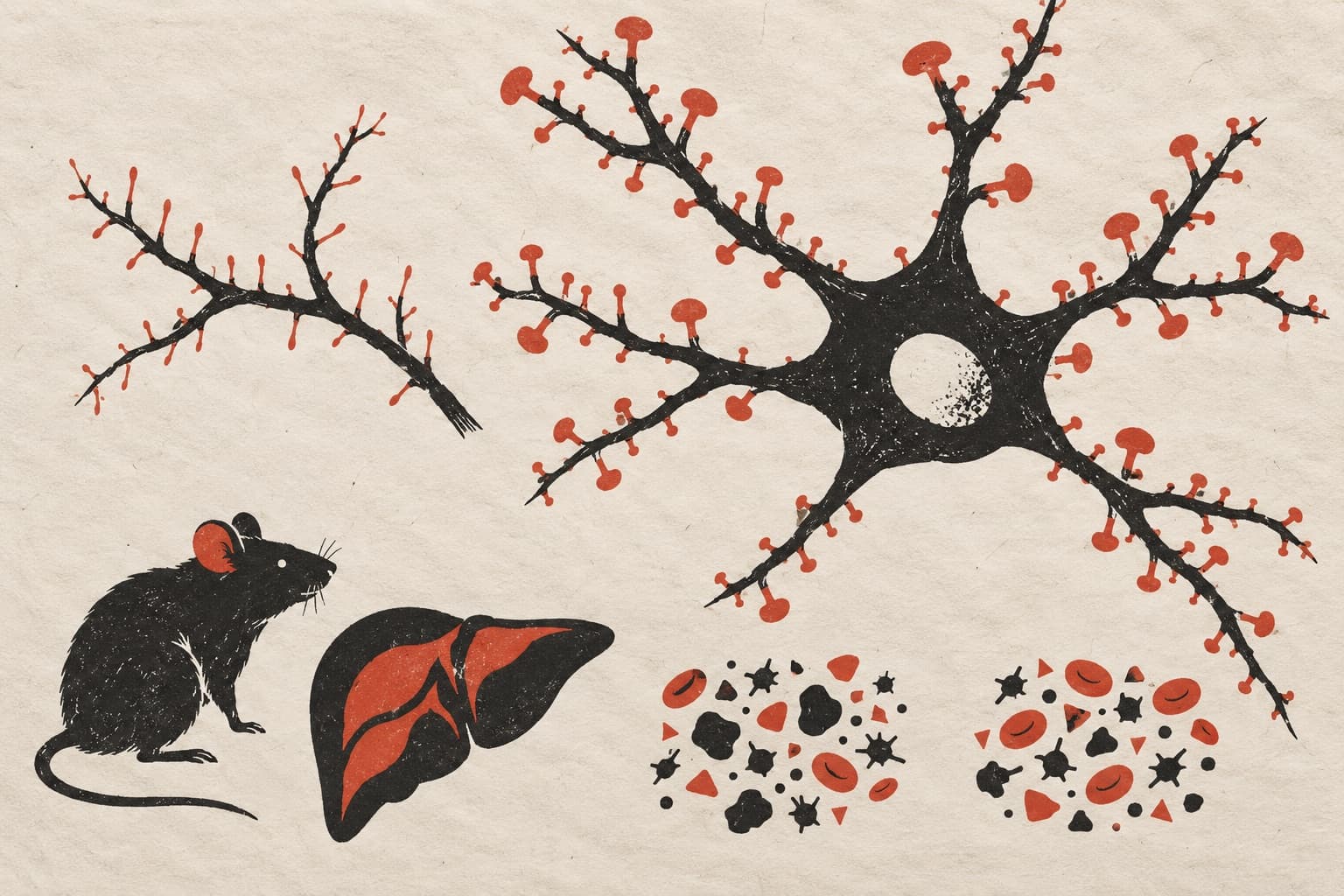
The role of glycogen synthase kinase-3β (GSK-3β) in the pathogenesis of Alzheimer's disease (AD) is critical for linking amyloid-beta (Aβ) and Tau pathology. The activity of GSK-3β is dysregulated in the regulation of Tau hyperphosphorylation, formation of neurofibrillary tangles (NFTs), and production of Aβ by modulating amyloid precursor protein (APP) processing. This review discusses the mechanisms controlling GSK-3β dysregulation in aging and its influence on AD progression, focusing on the role of neuroinflammation, oxidative stress, and defective signaling pathways, including PI3K/Akt and Wnt. Critical analysis is presented for therapeutic strategies targeting GSK-3β using natural compounds (e.g., curcumin, geniposide) and emerging approaches such as TREM2 modulation and miRNA therapies. In preclinical models, these interventions promise to reduce Tau hyperphosphorylation and Aβ burden, along with associated neurodegeneration. Nevertheless, achieving selective GSK-3β inhibition and optimizing drug delivery are still critical barriers to clinical translation. This review underscores the central role of GSK-3β in AD pathogenesis to highlight its potential as a multifaceted therapeutic target of an innovative strategy for treating this complex neurodegenerative disease.
The paper
Dr. D. Y. Patil Medical College, Hospital and Research Centre; Northern Border University
Molecular and Cellular Neurosciences, 20 Mar 2025